
Your Expert Rental Property Inspection Checklist for Salinas & Monterey County
For owners of high-end properties in Salinas, Monterey, and across Monterey County, a rental property is more than just a source of income; it's a significant asset demanding meticulous care. A routine inspection is not merely about ticking boxes. It is a critical strategy for preserving property value, ensuring tenant safety, and maximizing your return on investment.
Generic, national checklists often overlook the unique environmental factors of the Monterey Bay area, from the coastal air in Pacific Grove that can accelerate corrosion to the specific building codes governing historic properties in Monterey. This comprehensive rental property inspection checklist is designed specifically for the discerning local investor. It provides a detailed, actionable framework for evaluating every aspect of your property, ensuring it remains a premier asset in the competitive Salinas Valley market.
This guide moves beyond surface-level checks to offer a room-by-room and system-by-system protocol. We will cover critical areas including:
- Core Systems: In-depth checks for electrical, plumbing, and HVAC systems to prevent costly failures common in our coastal climate.
- Structural and Exterior Integrity: Assessing the building envelope, from the roof down to the foundation and landscaping, to protect against winter rains and summer heat.
- Interior and Appliance Functionality: A detailed review of every room, fixture, and appliance to ensure peak performance and tenant satisfaction.
- Safety and Compliance: Verifying all safety devices, security systems, and documentation to protect your liability and your tenants under California law.
By adopting this proactive, professional approach, you shift from reactive problem-solving to strategic asset preservation—a cornerstone of the Coast & Valley Properties philosophy for managing premier Central Coast investments.
1. Electrical System Inspection
A thorough electrical system inspection is a non-negotiable part of any professional rental property inspection checklist. It moves beyond simply flipping switches; it involves a systematic evaluation of your property's entire electrical infrastructure to guarantee safety, functionality, and compliance with local codes in communities like Salinas and Monterey. For high-end properties, where tenants expect flawless operation and owners demand asset protection, a proactive electrical review prevents catastrophic failures, mitigates fire risk, and protects your investment.
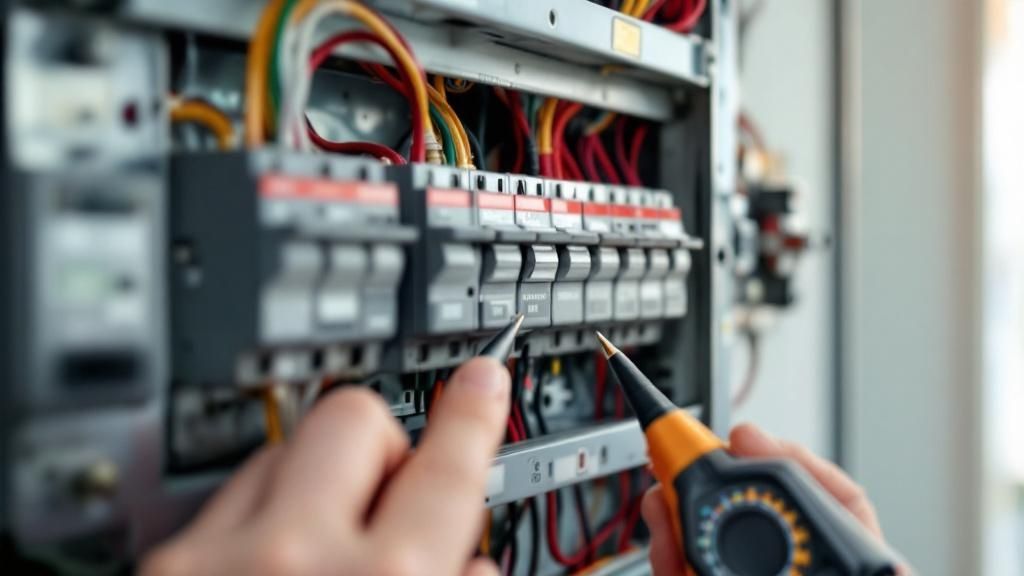
This inspection is critical before a new tenant moves in, during annual property reviews, and especially after any significant weather events, like the atmospheric rivers common to the Monterey Bay area. It ensures all components, from the main service panel to the smallest outlet, are in optimal condition.
Key Inspection Points
When evaluating the electrical system, focus on these specific, actionable steps:
- Electrical Panel: Open the main service panel to check for clear, accurate labeling for each circuit breaker. Look for signs of overheating, such as melted plastic, scorch marks, or a burning smell. Document the panel's age and total amperage capacity to ensure it can handle modern tenant demands.
- Outlets and Switches: Systematically test every outlet and light switch in the property. Use a simple plug-in outlet tester to quickly verify correct wiring, polarity, and grounding. Pay special attention to outlets that feel warm to the touch or appear discolored, as these are significant fire hazards.
- GFCI and AFCI Protection: Test all Ground Fault Circuit Interrupter (GFCI) outlets, typically found in kitchens, bathrooms, garages, and outdoor areas. Press the "TEST" button to ensure it trips the circuit and then "RESET" to restore power. Also, verify that Arc Fault Circuit Interrupter (AFCI) breakers are installed for circuits in living areas and bedrooms, as required by modern California codes.
- Fixtures and Wiring: Examine lighting fixtures for flickering, which could indicate a loose connection. Check for any exposed or frayed wiring throughout the property, including in basements, attics, and crawl spaces. Ensure all outdoor outlets have secure, weatherproof covers to prevent moisture intrusion from coastal fog.
Protecting Your Investment
Beyond the basic inspection, protecting sensitive electronics in a luxury rental is paramount. Understanding comprehensive electrical surge protection strategies is crucial for safeguarding both the property's infrastructure and the tenant's valuable devices. Installing a whole-house surge protector at the main panel provides a robust first line of defense. This proactive measure demonstrates a concierge-level standard of care that discerning tenants in areas like Pebble Beach and Carmel appreciate, ultimately protecting your long-term ROI.
2. Plumbing System Assessment
A meticulous plumbing system assessment is a cornerstone of a proactive rental property inspection checklist. This goes far beyond just checking for drips; it's a comprehensive review of your property's water delivery and drainage network to ensure tenant satisfaction, prevent catastrophic water damage, and protect your asset's value. For luxury properties in communities from Salinas to Carmel, where tenants expect uninterrupted service, identifying a potential plumbing failure before it happens is critical for maintaining your reputation and avoiding costly emergency repairs.
This inspection should be performed before move-in, as part of an annual review, and especially after any significant ground movement or change in water quality. It helps guarantee that everything from the main shut-off valve to the shower drains is functioning correctly, preventing issues that can escalate from a minor annoyance into a major liability.
Key Inspection Points
When evaluating the plumbing system, focus on these specific areas to catch problems early:
- Fixtures and Water Pressure: Run all faucets (hot and cold) in kitchens and bathrooms. Check for strong, consistent water pressure and look for any drips from the spout or base. Flush every toilet to confirm it refills properly and has a strong flush without running continuously.
- Leak and Corrosion Detection: Look under every sink and around the base of every toilet for signs of water damage, active leaks, or corrosion on pipes and supply lines. The salt in our coastal air can accelerate corrosion, so pay close attention. Check ceilings and walls below bathrooms and laundry rooms for any discoloration or water stains, which indicate a hidden leak.
- Water Heater Functionality: Visually inspect the water heater for any signs of rust or leaks, especially around the base. Document its age, as most have a lifespan of 8-12 years. Test the Temperature and Pressure Relief (T&P) valve to ensure it operates correctly and isn't seized.
- Drainage and Shut-Off Valves: Fill sinks and tubs with a few inches of water and then drain them, watching for slow drainage that could signal a clog. Locate and test all main and individual fixture shut-off valves (sinks, toilets) to ensure they are not frozen in place and can be operated in an emergency.
Protecting Your Investment
A proactive approach to plumbing maintenance is essential for preserving the long-term value of your investment property. Small, undetected leaks are one of the most common causes of significant structural damage, mold growth, and expensive remediation work in Monterey County. For a detailed breakdown of what to look for, consult an ultimate plumbing inspection checklist to ensure no critical components are overlooked. By systematically checking for issues, you demonstrate a higher standard of care that builds tenant trust and saves significant time and money on emergency calls.
3. HVAC System Evaluation
A diligent HVAC system evaluation is an essential component of any premium rental property inspection checklist. This goes far beyond just turning the thermostat on and off; it's a comprehensive assessment of the heating, ventilation, and air conditioning systems that directly impact tenant comfort, energy efficiency, and indoor air quality. For high-end rentals in communities from Salinas to Carmel, a fully functional and efficient HVAC system is a non-negotiable amenity. Proactively managing this system prevents costly emergency repairs, ensures a healthy living environment, and protects your asset's value.

This evaluation is crucial before a new tenant moves in, seasonally before peak heating or cooling periods, and as part of your annual property review. It guarantees that the property can handle the temperature swings of the Monterey Bay area—from cool, foggy mornings in Pacific Grove to hot afternoons in Soledad or King City—providing reliable comfort year-round.
Key Inspection Points
When reviewing the HVAC system, focus on these specific operational and physical checks:
- Filter and Airflow: The first and most simple check is the air filter. Remove and inspect it for dirt and debris. A clogged filter restricts airflow, reduces efficiency, and degrades air quality. Note the filter size and date of last replacement. Also, walk through the property to ensure all supply and return vents are open and unobstructed.
- System Operation Test: Test both the heating and cooling functions independently. Turn on the heat and verify that warm air is being distributed to all vents. Do the same for the air conditioning. Listen for any unusual noises like grinding, squealing, or banging, which can indicate mechanical problems.
- Thermostat and Controls: Check the thermostat for proper operation. Ensure it accurately reads the ambient temperature and communicates correctly with the HVAC unit. For smart or programmable thermostats, verify the settings are reset to a default schedule and that the battery is fresh.
- Visual Unit and Ductwork Inspection: Visually inspect the indoor and outdoor units. Look for rust, debris around the outdoor condenser, or water leaks near the indoor air handler. If accessible, check visible ductwork for leaks, loose connections, or damage that could lead to significant energy loss.
Protecting Your Investment
A well-maintained HVAC system not only ensures tenant satisfaction but also has a direct impact on your property's operating expenses. Regular professional servicing is the best way to extend the life of the equipment and maintain peak efficiency. This annual tune-up should include cleaning coils, checking refrigerant levels, and testing electrical components. For property owners looking to maximize their ROI, managing these utility expenses is critical. You can get more insights on how landlords can save on utility costs to further enhance your property's financial performance. A documented maintenance history is a valuable asset that demonstrates proactive care, appealing to discerning tenants and protecting your investment.
4. Structural Integrity and Safety
A fundamental component of any diligent rental property inspection checklist is the assessment of the property's structural integrity. This is a critical evaluation of the building's core components, including the foundation, walls, floors, and roof. For high-value properties in desirable communities like Carmel and Pebble Beach, confirming structural soundness is essential for ensuring tenant safety, preserving property value, and preventing minor issues from escalating into costly, catastrophic failures.
This inspection is crucial before leasing to a new tenant, as part of an annual maintenance review, and especially after seismic activity or the heavy winter rains that affect the Monterey Bay area. A proactive approach identifies potential hazards and maintenance needs that directly impact the habitability and long-term financial health of your investment property.
Key Inspection Points
When evaluating the property's structural health, concentrate on these specific areas to identify any signs of weakness or damage:
- Foundation and Basement/Crawl Space: Carefully inspect all visible foundation walls for cracks, especially horizontal or stair-step cracks, which can indicate serious pressure or settling. Look for any signs of water intrusion, moisture, or bowing walls. In crawl spaces, check support posts and beams for stability and signs of rot or pest damage.
- Walls, Floors, and Ceilings: Walk through every room and check for significant cracks in drywall, particularly above doorways and windows. Look for signs of sagging floors or ceilings, which could point to joist or framing issues. Test all floors for excessive squeaking or soft spots that may signal subfloor problems.
- Roof and Attic: From the exterior, check for missing, curled, or damaged shingles. Inside the attic, look for water stains on the underside of the roof sheathing—clear indicators of leaks. Examine the rafters and trusses for any cracked, broken, or sagging wood members.
- Stairs and Railings: Test all interior and exterior staircases, railings, and handrails for stability. Ensure they are securely fastened and meet local building code requirements for height and spacing. Wobbly railings are a significant liability and safety hazard that must be addressed immediately.
Protecting Your Investment
A key part of evaluating structural integrity is understanding load-bearing walls and how they connect to the property's foundation and overall stability. Any unauthorized modifications can compromise the entire structure. Documenting any new or changing cracks with dated photos provides a crucial record for monitoring movement over time. Addressing settling issues or water damage promptly is not just a repair; it is a strategic measure to prevent compounding damage and protect the core value of your real estate asset in Salinas or Monterey County.
5. Exterior and Landscaping Condition
The condition of a property's exterior and landscaping is the first impression a prospective tenant receives and a continuous reflection of its quality. A meticulous review of these elements is a fundamental part of any rental property inspection checklist. It extends far beyond simple "curb appeal"; it's about safeguarding the building's envelope, preventing costly water damage, ensuring safety, and upholding the prestigious standard expected in communities from Salinas to South County towns like Gonzales and Soledad. For luxury rentals, an immaculate exterior is a crucial component of asset preservation.
This inspection is vital before listing a property, after a tenant vacates, and seasonally—especially to prepare for Monterey Bay's winter rains and summer sun. A proactive approach to exterior maintenance prevents small issues like peeling paint or clogged gutters from escalating into significant structural problems.
Key Inspection Points
When evaluating the exterior and landscaping, focus on these specific areas for comprehensive coverage:
- Roof, Siding, and Gutters: Visually inspect the roof for any missing, loose, or damaged shingles. Examine siding for signs of warping, cracking, or pest intrusion. Crucially, check all gutters and downspouts for blockages from leaves or debris and ensure they direct water away from the foundation.
- Walkways, Patios, and Fences: Walk all paths, driveways, and patios to identify uneven surfaces, significant cracks, or tripping hazards. Inspect decks and porches for loose boards, wobbly railings, or signs of wood rot. Ensure all gates and fences are secure, functional, and in good repair.
- Landscaping and Irrigation: Assess the health of lawns, trees, and shrubbery. Trim any vegetation that is touching or overhanging the building to prevent moisture and pest problems. Test the sprinkler or irrigation system to confirm all zones and heads are functioning correctly and providing adequate coverage without wasting water.
- Paint and Outdoor Lighting: Examine all exterior painted surfaces, including trim and doors, for peeling, chipping, or fading, which can leave the underlying material vulnerable to our coastal climate. Test all outdoor lighting to ensure it provides adequate safety and is fully operational.
Protecting Your Investment
Maintaining a pristine exterior is non-negotiable for attracting and retaining high-caliber tenants in the competitive Monterey County market. Implementing a strategic approach to groundskeeping not only enhances the property's value but also mitigates potential liabilities. For property owners looking to optimize their approach, it's beneficial to explore expert landscaping resources for property managers to ensure best practices are consistently applied. This proactive care maintains the property's allure and solidifies its standing as a premium rental.
6. Appliances and Fixtures Functionality
For high-end rental properties in communities like Carmel and Salinas, the provided appliances and fixtures are not just functional items; they are a core part of the tenant experience. A detailed inspection of these amenities is a crucial step in any rental property inspection checklist. It ensures every convenience you offer operates flawlessly, meeting the high expectations of discerning tenants and preventing frustrating—and often costly—emergency service calls.
This inspection is essential before a new tenant moves in, during periodic property reviews, and at move-out to accurately assess condition. Proactively verifying the functionality of every appliance protects your asset, enhances tenant satisfaction, and solidifies your reputation as a premium landlord.
Key Inspection Points
When evaluating your property's appliances and fixtures, go beyond a simple on/off check. A comprehensive test involves these specific steps:
- Kitchen Appliances: Run the dishwasher through a full cycle, checking for proper drainage and leaks. Test every burner on the stove and use an oven thermometer to verify temperature accuracy. For the refrigerator, confirm that both the fridge and freezer sections maintain correct temperatures and that the ice maker and water dispenser function without leaks.
- Laundry Units: Operate both the washer and dryer through complete cycles. For the washer, listen for unusual noises and check for leaks. For the dryer, confirm it heats properly and that the exterior vent is clear of lint buildup—a critical fire safety check.
- Built-in Fixtures: Test garbage disposals, ensuring they run smoothly. Check any built-in microwaves for proper heating and turntable function. Also, inspect bathroom exhaust fans to ensure they effectively remove moisture from the space.
- Documentation and Safety: Keep an organized file containing all appliance manuals and warranty information. Regularly check for any safety recalls by noting the model and serial numbers and searching the manufacturer’s website or the Consumer Product Safety Commission database.
Protecting Your Investment
A proactive approach to appliance management demonstrates a superior level of care that tenants in the Monterey Bay area appreciate. Establishing a relationship with a reliable, vetted appliance repair service is a smart business decision. This ensures that if an issue does arise, you can provide a swift and professional resolution, minimizing tenant disruption. Documenting the condition of each appliance with time-stamped photos during every inspection provides a clear record, which is invaluable for security deposit dispositions and maintaining the long-term value of your rental property.
7. Safety and Security Systems
A comprehensive evaluation of safety and security systems is a fundamental component of any professional rental property inspection checklist. It involves a meticulous audit of all safety devices and security features to ensure they are functional, compliant, and provide genuine peace of mind. For high-end properties in communities like Pebble Beach and Carmel, where tenant safety and asset protection are paramount, a robust safety system is a non-negotiable standard that upholds the property's value and minimizes liability.
This critical inspection must be performed before tenant move-in, annually, and after any tenant turnover. It verifies that every safety measure, from smoke detectors to door locks, meets both legal requirements and the high expectations of discerning tenants. It's an essential process for safeguarding lives and your significant real estate investment.
Key Inspection Points
When reviewing your property's safety and security infrastructure, concentrate on these specific elements:
- Smoke and Carbon Monoxide Detectors: Manually test every detector by pressing the "TEST" button to confirm the alarm sounds correctly. Check the manufacturing date on each unit, as most should be replaced every 10 years. Ensure detectors are installed in all required locations per local Salinas and Monterey County codes.
- Fire Extinguishers: Confirm that at least one properly rated fire extinguisher is present, typically in the kitchen. Check the pressure gauge to ensure it is in the green "charged" zone. Verify the inspection tag is current and the unit is easily accessible.
- Locks and Access Control: Inspect every exterior door to ensure it has a functional deadbolt lock providing adequate security. Test all window locks to confirm they close and secure properly. For high-end rentals, verify that any keypad or smart lock codes have been reset from the previous tenant.
- Security Systems and Emergency Exits: If the property is equipped with a security system, test its core functions, including arming, disarming, and sensor activation. Ensure all emergency exits and escape routes, like bedroom windows, are unobstructed and fully operational.
Protecting Your Investment
Beyond basic compliance, a proactive approach to safety demonstrates a superior standard of care. This includes meticulous documentation of all tests and scheduled battery replacements for all detectors. Understanding the specific legal obligations for tenant safety is critical for any landlord in California. To ensure you're fully compliant, it's wise to learn more about California landlord-tenant laws. Upgrading to smart home security systems can offer an additional layer of protection, a feature highly valued by tenants in luxury markets and a testament to your commitment as a property owner.
8. Interior Condition and Cleanliness
A meticulous review of the interior condition is a cornerstone of any professional rental property inspection checklist. This is a detailed assessment of all interior surfaces to ensure the property meets the high standards expected by discerning tenants in communities like Salinas and Monterey. For luxury rentals, where ambiance and pristine condition directly impact rental value, this inspection provides a critical baseline for asset protection and upholds your reputation as a premium landlord.
This detailed interior audit is essential before a new tenant moves in and immediately after a tenant vacates. It creates a clear record of the property's condition, which is invaluable for security deposit dispositions and for scheduling necessary upkeep, ensuring the home remains in top-tier shape year-round.
Key Inspection Points
When evaluating the interior condition, focus on these specific areas to create a comprehensive report:
- Walls, Ceilings, and Trim: Methodically inspect all surfaces for damage beyond normal wear and tear. Document any large holes, deep scratches, unauthorized paint colors, or significant stains. Check baseboards and trim for scuffs or chips.
- Flooring: Examine all flooring types. For carpets, look for stains, odors, or burns. On hardwood or tile, check for deep gouges, cracked tiles, or damaged grout. Ensure the flooring is professionally cleaned between tenancies to present a fresh, inviting space.
- Doors and Windows: Test every interior door, closet door, and window. Ensure they open, close, and lock smoothly. Check that window seals are intact to prevent drafts and moisture, a key concern during the damp seasons along the Monterey Bay coast. Verify that all window screens are present and free of tears.
- Overall Cleanliness and Odors: Assess the property against a defined "rent-ready" standard. Kitchens and bathrooms require special attention; check for grime in ovens, mildew in showers, and residue on countertops. Address any lingering odors (e.g., smoke, pets) immediately, as they can indicate deeper issues and deter prospective tenants.
Protecting Your Investment
Establishing and documenting a clear standard of condition is vital for protecting your asset and ensuring smooth tenant turnovers. Using a standardized checklist with high-resolution photos and detailed notes before and after each tenancy creates an indisputable record. This documentation is your best defense against disputes over security deposits. Proactive interior maintenance preserves the property's value and appeal. Effective rental property maintenance in Salinas is not just about repairs; it is about upholding a standard of excellence that attracts and retains high-quality tenants, ultimately maximizing your long-term ROI.
8-Point Rental Inspection Checklist Comparison
| Inspection Type | Implementation Complexity 🔄 | Resource Requirements ⚡ | Expected Outcomes 📊 | Ideal Use Cases 💡 | Key Advantages ⭐ |
|---|---|---|---|---|---|
| Electrical System Inspection | Moderate – may need licensed electrician | Specialized tools and professional expertise | Ensures safety, code compliance, prevents fires | Properties with aging electrical systems or remodeling | Prevents hazards, reduces liability |
| Plumbing System Assessment | Moderate – possible plumber required | Leak detection tools, water pressure testers | Prevents water damage, tenant comfort | Properties with older plumbing or frequent tenant complaints | Early issue detection, maintains property value |
| HVAC System Evaluation | Moderate to high – professional tech advised | HVAC diagnostic tools, seasonal timing | Tenant comfort, energy efficiency, air quality | Properties requiring HVAC maintenance or energy improvements | Extends system life, improves efficiency |
| Structural Integrity and Safety | High – may need structural engineer | Inspection tools, possible engineering reports | Ensures safety, prevents major damage | Older buildings, properties with suspected damage | Protects value, legal compliance |
| Exterior and Landscaping Condition | Low to moderate – seasonal considerations | Basic inspection tools, seasonal timing | Maintains curb appeal, prevents weather damage | Properties with significant outdoor areas | Enhances marketability, prevents damage |
| Appliances and Fixtures Functionality | Low to moderate – mostly manual checks | Appliance manuals, basic testing equipment | Ensures appliance functionality, reduces complaints | Rentals with included appliances | Maintains amenities, plans upgrades |
| Safety and Security Systems | Low to moderate – routine testing needed | Testers, battery replacements, alarm systems | Tenant safety, compliance with laws | All rental properties | Legal compliance, reduced liability |
| Interior Condition and Cleanliness | Low – mostly visual and tactile assessment | Cleaning supplies, checklists | Habitability, cosmetic assessment | Between tenancies, routine inspections | Maintains appeal, documents condition |
Elevate Your Property Management with Local Expertise
Navigating the complexities of property maintenance, from the foundation to the rooftop, is a formidable task for any investor. This exhaustive rental property inspection checklist provides a robust framework for preserving the value and safety of your investment. It moves beyond a simple walkthrough, transforming the inspection process into a strategic asset management tool.
From verifying the GFCI outlets in a Monterey kitchen to assessing the HVAC system’s readiness for a Salinas summer, each point on this checklist is designed for action. The goal is not merely to find faults but to proactively identify opportunities for improvement, prevent costly emergency repairs, and ensure unwavering compliance with local and state regulations. For high-end properties, especially in sought-after areas like Pacific Grove or Pebble Beach, this level of diligence is not optional; it is the standard of care that protects your ROI.
From Checklist to Comprehensive Care
A checklist, no matter how detailed, is only as effective as the expertise behind its execution. The true value emerges when these inspection points are integrated into a continuous cycle of proactive management. This is where the gap between a DIY landlord and a professional property management partner becomes most apparent.
Consider these key takeaways from our deep dive:
- System Integrity is Paramount: The core systems—electrical, plumbing, and HVAC—are the lifeblood of your property. Regular, expert evaluation is non-negotiable to prevent tenant dissatisfaction and unexpected financial outlays.
- Safety is a Foundational Trust: Functional smoke detectors and secure locks are more than just line items. They represent a fundamental commitment to tenant safety and are critical for mitigating liability as a property owner in California.
- Curb Appeal Drives Demand: The exterior is the first impression. Meticulously maintained landscaping, a pristine building envelope, and clean common areas in a multi-unit property in Soledad or King City directly impact perceived value and your ability to command premium rental rates.
- Documentation is Your Shield: Meticulous record-keeping of every inspection and repair creates an invaluable historical log. This documentation is your strongest asset in the event of a dispute and demonstrates a professional, systematic approach to management.
The Coast & Valley Advantage: Your Boots on the Ground
For the busy professionals, absentee landlords, and discerning investors we serve across Monterey County, dedicating the necessary time to this level of detail is often impractical. Your focus should be on your portfolio's growth, not on coordinating plumber visits or verifying appliance warranties.
This is the core of our mission at Coast & Valley Properties. Led by Salinas native Amy Salmina, we transform this comprehensive rental property inspection checklist from a static document into a dynamic, ongoing management strategy. We are your local boots on the ground, leveraging our deep regional knowledge to anticipate seasonal maintenance needs and navigate specific municipal codes with ease. We don't just manage properties; we cultivate investments, ensuring every detail is handled with concierge-level care and professionalism. By partnering with us, you are not just outsourcing tasks. You are investing in peace of mind, asset protection, and the maximization of your return on investment.
Ready to elevate your property from a passive investment to a top-performing asset? Let Coast and Valley Properties implement this expert-level inspection protocol for you, ensuring your investment is protected and profitable. Discover the peace of mind that comes with premier, localized management by visiting Coast and Valley Properties to schedule a consultation.