
The Essential Tenant Move Out Inspection Checklist for Monterey County Investors
When a tenant leaves your property in Salinas, Pacific Grove, or King City, it's a critical moment. This isn't just about collecting keys. It's about protecting your investment and getting it ready for the next high-quality tenant quickly. A quick walk-through can lead to costly arguments over security deposits and missed damage, which hurts your return on investment (ROI). A clear, step-by-step process is the best way to handle this.
This tenant move out inspection checklist is made for property owners and investors in the Monterey Bay Area. It gives you a clear plan to make sure you don't miss anything and keep your property in top shape. While tenants should clean before they leave, using a guide like an ultimate end of tenancy cleaning checklist can help them. But your job is to check for damage and wear that goes beyond cleaning.
As a fourth-generation Salinas native, our founder Amy Salmina knows the standards for high-end properties here. At Coast & Valley Properties, we use a detailed inspection process to protect your investment from top to bottom.
1. Walls and Paint Inspection
The condition of the walls and paint is the first thing a new tenant will notice. It's a key part of your tenant move out inspection checklist. This means looking closely at every wall for scuffs, scratches, holes, or unapproved paint colors. It’s more than a quick look; it's a careful check for anything beyond normal wear and tear.

A good wall inspection protects your property. It helps you justify any security deposit deductions and reduces the time your property is empty. For high-end rentals in Salinas or Monterey, perfect walls help attract the best tenants who will care for the home.
How to Conduct a Thorough Wall Inspection
To do this right, be systematic. Use a bright flashlight and hold it at an angle against the wall. This makes it easy to see small scuffs or bad patch jobs that you might miss otherwise.
Take photos of every wall in every room. Start at the door and move around the room. Get a wide shot of the whole wall, then take close-up pictures of any damage. If you see a hole, put a ruler next to it in the photo to show its size. Any hole bigger than a small nail hole is usually considered damage.
Differentiating Damage from Wear and Tear
This is where most disagreements happen. To protect your investment, you need clear rules.
- Normal Wear and Tear: Think of light scuffs in a busy hallway, paint that has faded a little from the sun, or a few small nail holes for pictures. Paint that is five years old will naturally show more wear than new paint.
- Tenant-Caused Damage: This includes big holes from a TV mount, deep scratches from moving furniture, paint colors you did not approve, or a wall covered in crayon marks.
Your move-in property condition report is your best tool here. When you compare the "before" and "after" photos, you have proof that is hard to argue with.
Actionable Tips for Owners
- Set a Baseline: Before a new tenant moves in, take lots of high-quality photos and videos of the walls. Write down the exact paint brand and color code for easy touch-ups.
- Measure Everything: Any hole bigger than a small picture hook (about 1/4 inch) should be measured and its location noted.
- Calculate Costs Fairly: If you need to repaint a wall because of damage, you may need to prorate the cost based on how old the paint is. To get a good idea of costs in the Monterey Bay area, a professional interior painting cost guide can be helpful.
- Walk Through with the Tenant: If you can, do the final inspection with the tenant. Being transparent can prevent disagreements later.
2. Flooring and Carpet Assessment
Floors and carpets get the most use in a property. Checking them is a vital part of your tenant move out inspection checklist. This means looking at every floor surface—hardwood, tile, or carpet—for stains, damage, or heavy wear. A careful check is key to keeping your Salinas or Monterey property valuable and ready for the next great tenant.

Checking the floors properly protects your investment. It helps you figure out repair costs, justify keeping part of the security deposit, and get the unit ready for rent faster. For owners of high-end properties in towns like Soledad or Gonzales, pristine floors are a must.
How to Conduct a Thorough Flooring Inspection
A step-by-step approach is best. Check one room at a time, looking closely at busy areas like hallways and entryways. For carpets, walk over the whole area and look for spots, matted sections, or torn edges. A UV flashlight is a great tool for finding hidden pet stains.
Document everything with clear photos and videos. Take wide shots of the floor in each room, then close-ups of any problems, like scratches on wood floors, cracked tiles, or deep carpet stains. Put a coin or ruler next to the damage in the photo to show its size.
Differentiating Damage from Wear and Tear
Knowing the difference between normal use and tenant damage is key for handling the security deposit fairly.
- Normal Wear and Tear: This includes light scuffs on hardwood floors near the door, slight wear patterns in carpets, or faint scratches on laminate. The age of the flooring matters; a 10-year-old carpet will look more worn than a new one.
- Tenant-Caused Damage: This includes deep scratches from moving furniture, big stains from pets or spills, burn marks on the carpet, or cracked tiles. Water damage from an overflowing sink or tub is also considered damage.
Your detailed move-in report is essential. Comparing "before" and "after" photos gives you clear proof to support your decisions.
Actionable Tips for Owners
- Set Clear Rules: Your lease should state that tenants must have carpets professionally steam cleaned and provide a receipt.
- Know Your Flooring's Lifespan: A typical carpet has a useful life of about 5-7 years for accounting purposes. You can't charge a tenant the full replacement cost for a carpet that is already old.
- Get Quotes for Repairs: For any repairs, get written quotes from local Monterey County professionals. This paperwork is important if you need to deduct from the security deposit.
- Talk with the Tenant: Do the final walk-through with the tenant to discuss any issues. This transparency helps avoid arguments and shows good property preservation. You can learn more about how this impacts the overall health of your investment.
3. Kitchen Appliances and Fixtures
The kitchen is the center of the home, and its appliances get used every day. A careful check of these items is a must-do on your tenant move out inspection checklist. This means testing every appliance, checking for cleanliness, and looking for any damage to cabinets and countertops that is more than normal wear. A full review makes sure the kitchen is safe, works perfectly, and is ready for your next tenant.
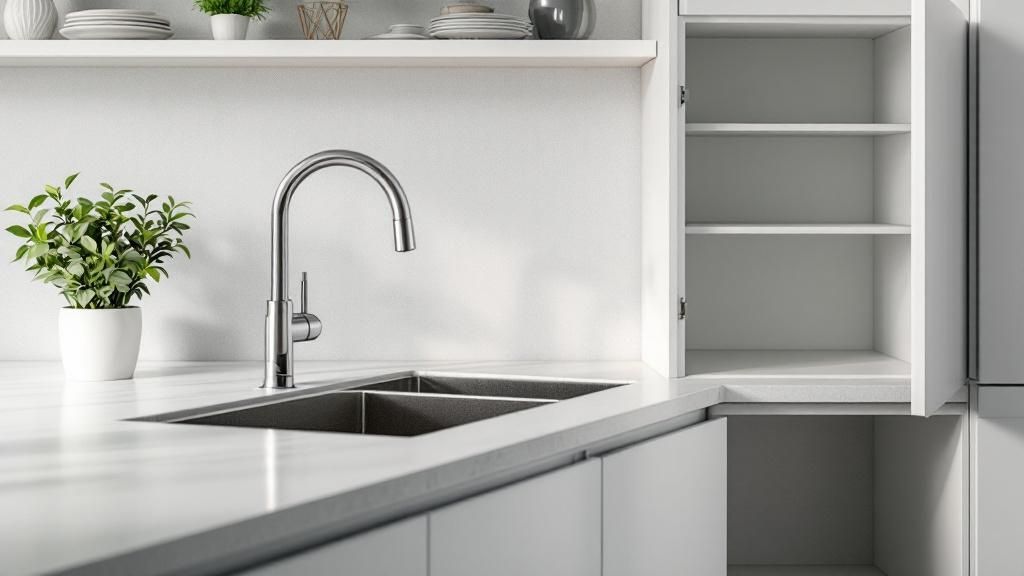
For property owners in Monterey County, a clean and working kitchen is a big draw for renters. Making sure everything works protects your investment, supports any claims for damage, and keeps your property up to the high standards expected in luxury rentals.
How to Conduct a Thorough Kitchen Inspection
A step-by-step check is the best way to inspect the kitchen. Test each appliance and fixture one by one, checking that it works and taking photos of its condition. Don't just turn appliances on; make sure they complete a full cycle.
For example, don't just turn the dishwasher on. Run a full rinse cycle to check for leaks, strange noises, or draining problems. Do the same for the stove by testing every burner and the oven. Check that the refrigerator is keeping a cold temperature.
Differentiating Damage from Wear and Tear
It's important to know the difference between normal aging and tenant misuse, especially in a busy kitchen.
- Normal Wear and Tear: This can be small scratches on a stainless steel sink, minor scuffs on cabinet doors, or an old, worn-out seal on the fridge door.
- Tenant-Caused Damage: This includes thick grease on the stove, a cracked shelf in the fridge, a chipped countertop from a dropped pan, or a garbage disposal jammed with food it can't handle. Burn marks in a microwave are a clear sign of misuse.
Comparing what you find to the move-in condition report gives you the proof you need to make fair decisions.
Actionable Tips for Owners
- Create an Appliance Checklist: Before the inspection, make a list of every appliance with its brand and model. Test each one and write down its condition.
- Test Full Functions: Run the dishwasher and garbage disposal. Put a thermometer in the fridge and freezer to make sure they are cooling correctly.
- Check Everything: Open every cabinet and drawer to check for damage and make sure they open and close smoothly. Look closely at countertops for stains or chips.
- Inspect Plumbing: Run the water in the sink and check for any leaks underneath. Test all electrical outlets and lights. For more tips, check out these home maintenance tips for landlords.
4. Bathroom Fixtures and Plumbing
Bathrooms are used a lot and can have water issues. That's why checking the fixtures and plumbing is a key part of your tenant move out inspection checklist. This means looking at toilets, sinks, showers, and faucets to find leaks, damage, or cleaning issues. A clean, working bathroom is a must for new tenants in Salinas and Monterey. Small problems here can turn into expensive water damage if ignored.
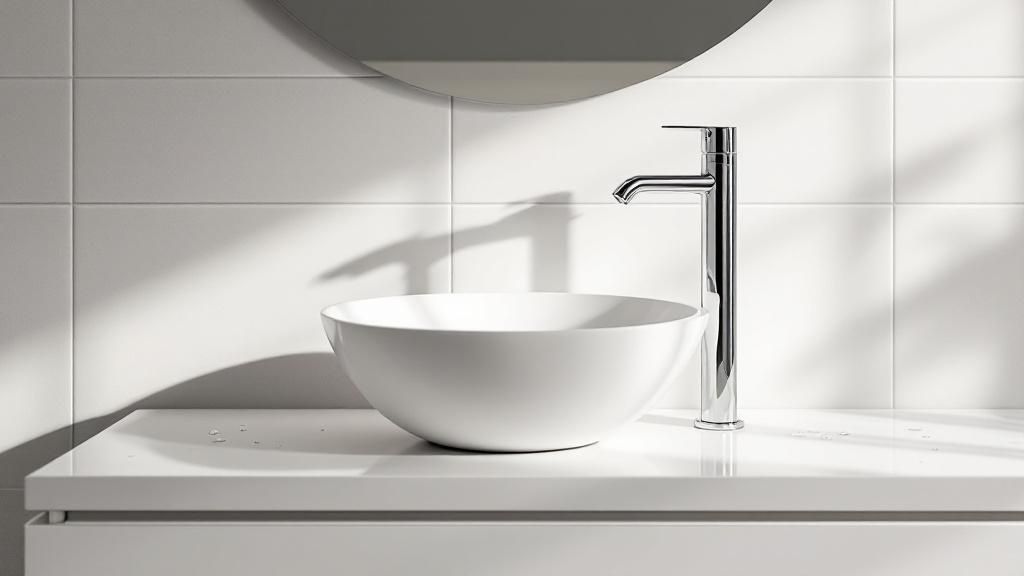
This check protects your property by finding hidden leaks before they get worse. For high-end homes in places like Pebble Beach or Pacific Grove, every fixture must work perfectly to keep your property’s value high.
How to Conduct a Thorough Bathroom Inspection
To do a good bathroom inspection, you have to test everything. Turn on all faucets to check for good water pressure and see if they drip after you turn them off. Flush the toilet to make sure it works right and doesn't keep running.
Use a flashlight to look under the sink and behind the toilet for any signs of water. Check the floor around the toilet and tub for soft spots, which could mean there's a hidden leak. Take photos of everything, including any cracked tiles or missing grout.
Differentiating Damage from Wear and Tear
Knowing the difference between normal use and tenant damage is important for handling the security deposit fairly.
- Normal Wear and Tear: This could be minor mineral buildup on a showerhead, a slow sink drain that is easy to fix, or old caulking around the tub. These are usually the owner's responsibility.
- Tenant-Caused Damage: Examples include a cracked toilet tank, a chipped sink, unreported leaks that caused major water damage, or a lot of mold from not cleaning or using the fan.
Comparing what you find to the move-in report will give you the proof you need to tell the difference.
Actionable Tips for Owners
- Test Every Function: Run the shower, fill the sink to test the drain, and flush the toilet to check that it refills quickly.
- Look for Hidden Leaks: Check carefully around the base of the toilet and under the sink. A moisture meter is a great tool for finding water you can't see.
- Check the Fan: Turn on the exhaust fan to make sure it works. Good airflow is key to preventing mold, especially in the coastal climate of Monterey County.
- Check Caulk and Grout: Note any cracked or missing caulk or grout. This helps you schedule small repairs before they become big problems.
5. HVAC System Functionality
The heating, ventilation, and air conditioning (HVAC) system is one of the most expensive parts of your property. Checking it during the move-out inspection is key. This part of your tenant move out inspection checklist is more than just turning the thermostat on. It's about checking the system's performance and cleanliness.
Ignoring the HVAC can lead to expensive repairs and unhappy tenants. For owners in Monterey County, a good system is a big deal for attracting renters. Making sure the HVAC works well is crucial, as good effective HVAC maintenance can prevent bigger problems later.
How to Conduct a Thorough HVAC Inspection
A step-by-step approach works best. Take photos of each step, especially the air filter and any parts you can see.
First, find the thermostat and test both the heat and the air conditioning. Let each one run for 5-10 minutes to make sure the right temperature air is coming out of the vents. Listen for any strange noises, like grinding or squealing.
Next, check the air filter. A very dirty filter is a sign the tenant didn't take care of it, which can harm the system. Take a picture of the filter as proof. Also, check the vents to make sure they aren't blocked or damaged.
Differentiating Damage from Wear and Tear
It's important to know the difference between normal use and neglect.
- Normal Wear and Tear: A filter that is a little dirty at the end of a lease or small scuffs on a vent cover are usually normal.
- Tenant-Caused Damage/Neglect: This includes a filter that is so clogged it's clear it hasn't been changed in months, a broken thermostat, or damage to the outside unit.
Comparing the system's condition to your move-in report helps you avoid arguments.
Actionable Tips for Owners
- Test Both Heat and AC: Always check both modes. A system that works in the summer might have a heating problem you won't find until a cold night in the Salinas Valley.
- Photograph the Filter: Take a clear picture of the HVAC filter. This is undeniable proof of its condition.
- Reset the Thermostat: Clear any settings the tenant programmed and set the thermostat to an energy-saving temperature.
- Put it in the Lease: Your lease should say that the tenant is responsible for changing the filter regularly. This makes it easier if you need to charge them for a service call due to neglect. This is an important part of any rental property maintenance checklist.
6. Window and Door Condition
Working windows and doors are basic needs for a property's security and energy efficiency. This part of the tenant move out inspection checklist means you need to check every window, door, and lock. It's an important review to make sure these key parts work right and are secure for your next tenant.
Checking windows and doors protects your property by finding problems that could lead to high utility bills or security risks. For owners in Salinas and Monterey County, making sure every entry point is secure is a key step in getting a high-end rental ready.
How to Conduct a Thorough Window and Door Inspection
The best way to do this is to physically open, close, and lock every single window and door.
Start at the front door and go through each room. Test every window by opening, closing, and locking it. Do the same for all doors. Take pictures of any cracked glass, torn screens, or damaged frames. Make a note of any doors that are hard to open or don't lock properly.
Differentiating Damage from Wear and Tear
Knowing the difference between normal use and tenant damage is key for the security deposit.
- Normal Wear and Tear: This includes minor scuffs on a door, slight fading on a window frame from the sun, or a lock that is a bit stiff from use.
- Tenant-Caused Damage: This includes cracked windows, torn screens, broken locks, deep scratches from pets, or damage to a door frame from being forced open.
Your move-in report is your best evidence here. Comparing the "before" and "after" condition gives you clear proof for any deductions.
Actionable Tips for Owners
- Test Every Lock and Handle: Don't just look. Physically open, close, and lock everything. Make sure the keys work in all the doors.
- Check Screens and Glass: Look at all window screens for rips or holes. Check the glass for any new chips or cracks.
- Check Weatherstripping: Look for damaged or missing weatherstripping around doors and windows, which can cause drafts.
- Note Hardware Condition: Write down any missing or broken handles, hinges, or locks. These details are important for keeping the property in great shape. Regular checks are a key part of good rental property maintenance in Salinas.
7. Light Fixtures and Electrical Systems
A full check of lights and electrical systems is a vital part of your tenant move out inspection checklist. This important step makes sure the property is safe and ready for the next person. It means checking all electrical parts, from lights and ceiling fans to outlets, for any damage or problems.
Ignoring this can lead to expensive repairs. For high-end properties in Salinas and Monterey County, making sure all electrical parts work perfectly is key to providing a safe, premium home. A good electrical check protects your investment and prevents arguments over the security deposit.
How to Conduct a Thorough Electrical Inspection
The best way is to go room by room and test every single electrical item.
Start by flipping every light switch. Check all light fixtures, ceiling fans, and outdoor lights. Note any burnt-out bulbs, as it's usually the tenant's job to replace them. Next, use a simple outlet tester to check every electrical outlet. This cheap tool can quickly tell you if an outlet is wired wrong.
Differentiating Damage from Wear and Tear
Knowing the difference between normal use and tenant damage is important for handling the security deposit.
- Normal Wear and Tear: A burnt-out light bulb is not damage. A loose outlet cover that just needs to be tightened is also usually wear and tear.
- Tenant-Caused Damage: This includes cracked switch plates, broken light fixtures, or any electrical work the tenant did without permission, like installing a new switch.
Comparing what you find to your detailed move-in report gives you clear proof for any deductions.
Actionable Tips for Owners
- Test Everything: Don't guess if an outlet or switch works. Test every single one, even in places like the garage or behind appliances.
- Check GFCI Outlets: In kitchens and bathrooms, push the "Test" and "Reset" buttons on all GFCI outlets to make sure they work. This is a key safety feature.
- Look for DIY Work: Watch for signs of electrical work done by the tenant, like mismatched fixtures or exposed wires. These can be very dangerous.
- Document Everything: Take pictures of any broken fixtures or missing outlet covers. If you use an outlet tester, you can even take a picture of its lights to show there's a problem.
7-Point Tenant Move-Out Inspection Comparison
| Item | Implementation Complexity 🔄 | Resource Requirements ⚡ | Expected Outcomes 📊 | Ideal Use Cases 💡 | Key Advantages ⭐ |
|---|---|---|---|---|---|
| Walls and Paint Inspection | Moderate (time-consuming for many rooms) | Low to Moderate (mostly visual, sometimes professional) | Clear damage documentation, repair cost clarity | Property turnover inspections, damage disputes | Prevents disputes, baseline for maintenance |
| Flooring and Carpet Assessment | Moderate to High (may need professional input) | Moderate to High (cleaning/replacement costs) | Identify stains, damage, safety hazards | Rental turnovers, safety hazard identification | Helps justify deposit use, plans maintenance |
| Kitchen Appliances and Fixtures | Moderate (functionality tests, possible professional service) | Moderate (equipment testing, possible repairs) | Appliance functionality and damage status | Move-in/out inspections, high-usage areas | Early detection of costly issues, rental appeal |
| Bathroom Fixtures and Plumbing | Moderate (some tests require expertise) | Moderate to High (may need licensed plumbers) | Identify leaks, water damage, safety issues | Rental turnovers, health & safety concerns | Prevents costly water damage, compliance |
| HVAC System Functionality | High (technical testing, possible technician needed) | Moderate to High (maintenance and repair costs) | Ensure comfort, system performance, energy efficiency | Yearly maintenance, tenant comfort | Early problem detection, energy savings |
| Window and Door Condition | Moderate (mostly physical testing) | Low to Moderate (repairs can be costly) | Security, weatherproofing, operational status | Security-sensitive properties, energy efficiency | Improves safety and energy savings |
| Light Fixtures and Electrical | High (requires licensed professional for repairs) | Moderate (testing devices, possible upgrades) | Safety compliance, functional electrical system | Safety inspections, older or complex buildings | Prevents hazards, liability protection |
Elevate Your Property Management with Coast & Valley
The tenant move-out process is a key moment for protecting your property. As we've shown, a detailed tenant move out inspection checklist is not just a piece of paper; it's your main tool for ensuring your property's value is maintained and the transition is smooth. From checking the walls and floors to making sure the HVAC and kitchen appliances work, every step has a purpose.
For owners of high-end properties in Monterey County, from Pacific Grove to the farmlands of Gonzales and King City, the details matter. A missed issue can lead to costly arguments, keep your property empty longer, and lower your return on investment. The main takeaway is that you need a systematic and well-documented process for every inspection.
From Checklist to Confident Asset Management
A great move-out inspection is about more than checking boxes. It’s about building a reputation for being professional and fair, which helps you attract great tenants. It shows you are committed to keeping your property in excellent condition.
This process requires:
- Deep Local Knowledge: Knowing the housing standards and laws specific to Monterey County.
- Total Consistency: Using the same high standards for every property, every time.
- Smart Technology: Using digital tools for clear, time-stamped photos and reports.
For busy professionals and investors, handling this process can be a lot of work. This is where professional management becomes a smart investment. At Coast & Valley, we handle all the details of the move-out inspection with the high level of service your property deserves. Our team knows the local market and uses the best technology to give you clear, fair, and legally solid inspection reports. We handle talking with tenants, scheduling repairs, and getting your property ready for the next renter quickly, protecting your income and giving you peace of mind.
Ready to improve your property management experience and make sure your investment is well-cared for? Partner with Coast and Valley Properties to handle every detail. From move-in reports to the complete tenant move out inspection checklist, we've got you covered. Visit us at Coast and Valley Properties to see how our full-service approach can boost your returns and protect your valuable Salinas Valley property.