
Top Tenant Retention Strategies for Monterey County Investors
For discerning property owners and investors in Salinas and the greater Monterey County, the true measure of success isn't just filling a vacancy—it's retaining a high-quality tenant. The revolving door of tenant turnover is costly, time-consuming, and detrimental to your property's long-term ROI. In a competitive market that stretches from the agricultural heart of the Salinas Valley to the luxury coastal homes of Pebble Beach, a proactive approach to tenant satisfaction is not just good service; it's a critical component of your investment strategy.
Effective tenant retention strategies are fundamentally about creating a premium experience where exceptional tenants choose to stay. This requires a shift in mindset from reactive problem-solving to proactive, concierge-level relationship management. For a deeper dive into the foundational principles, explore various effective customer retention strategies, as many of these concepts translate directly to managing a high-end property.
This article moves beyond generic advice to provide eight actionable, investment-focused tactics tailored for the high-end property owner in Monterey County. We will explore how to create an unparalleled living experience that protects your asset, maximizes your ROI, and transforms tenants into long-term residents. These insights, grounded in Coast & Valley’s deep local expertise, will equip you to foster loyalty and ensure your property remains a top-tier choice. From implementing proactive maintenance schedules in Pacific Grove to leveraging smart home technology in Soledad, you'll gain a clear roadmap for cultivating lasting value.
1. Proactive Property Preservation & Concierge-Level Maintenance
A cornerstone of elite tenant retention strategies is demonstrating an unwavering commitment to the property’s condition. This approach moves beyond simple repairs; it’s about proactive preservation and delivering a maintenance experience that feels like a white-glove service. For discerning tenants in premium areas like Monterey or Carmel, an impeccably maintained home is a baseline expectation, not a bonus.

By implementing a scheduled, preventive maintenance program and offering a highly responsive, streamlined system for service requests, you communicate a powerful message: their comfort and the property's long-term integrity are top priorities. This not only justifies premium rents but also builds immense trust, making tenants feel genuinely cared for and significantly less likely to explore other options. The goal is to shift from a reactive 'fix-it' model to a proactive 'preserve and protect' philosophy—a hallmark of superior property management that safeguards your investment.
Key Insight: Proactive maintenance prevents small issues from becoming costly emergencies, protecting your investment while demonstrating to tenants that their quality of life is a priority.
How to Implement Proactive Maintenance
1. Develop a Seasonal Maintenance Calendar: Create a schedule tailored to Monterey County’s unique climate.
* Winter Prep: Gutter cleaning, roof inspections, and drainage checks to handle seasonal rains, especially in areas like the Salinas hills.
* Summer Prep: Defensible space clearing for fire-risk mitigation, a critical task for inland areas like Salinas, Soledad, and King City, plus HVAC servicing.
* Coastal Care: Schedule bi-annual "Coastal Home Health Checks" for properties in Pacific Grove or Pebble Beach to address salt air corrosion on windows, metal fixtures, and paint.
2. Leverage a Modern Tenant Portal: Use a system, like the one offered by Coast & Valley, to provide a seamless maintenance experience. This allows tenants to submit requests 24/7, upload photos, and track the status of their repair in real-time. This transparency eliminates frustration and sets a professional, trustworthy tone.
3. Budget for Excellence: Allocate 1-3% of the property's value annually for maintenance. This ensures funds are always available for both preventative tasks and unexpected repairs, avoiding delays that can sour tenant relationships and jeopardize your asset.
4. Build a Vetted Vendor Network: As a firm founded by Salinas native Amy Salmina, we've spent years establishing partnerships with high-quality, insured local contractors serving the entire Monterey Bay Area. This guarantees prompt, professional work and reliable service when it matters most. For more information on building a solid operational foundation, explore our property management best practices on coastandvalleypm.com.
2. Competitive Pricing and Rent Optimization
Setting the right rental price is a delicate balance. Price too high, and you risk extended vacancies; price too low, and you leave significant revenue on the table. A data-driven approach to rent optimization is one of the most effective, yet often overlooked, tenant retention strategies. It ensures your pricing is competitive enough to attract and keep great tenants while maximizing your return on investment. This strategy moves beyond simply guessing a number and instead relies on continuous market analysis and strategic adjustments.

For savvy investors in Monterey County, from Salinas to Carmel, optimizing rent isn't a one-time task. It's an ongoing process that demonstrates fairness to tenants while protecting the asset's financial performance. When tenants perceive their rent as fair value for the market and the quality of the property, they are far more likely to renew their lease. This avoids the high costs and uncertainties associated with tenant turnover, creating a stable, profitable investment.
Key Insight: Strategic, gradual rent increases are far more effective for long-term retention than sudden, large hikes. Tenants are more likely to accept modest, predictable adjustments that align with local market trends and property improvements.
How to Implement Rent Optimization
1. Conduct Quarterly Market Rent Surveys: The rental markets in Salinas, Monterey, and the surrounding communities are dynamic. Regularly analyze comparable properties (comps) to understand current pricing trends. This data provides the justification for your rental rates, both for new leases and renewals, ensuring you remain competitive but not underpriced. For example, a 3-bedroom home in South Salinas will have different market pressures than a condo in Monterey.
2. Offer Early Renewal Incentives: Don't wait until the last minute. Contact tenants 90 days before their lease expires with a renewal offer. You can incentivize an early decision by offering a preferred rate, a small property upgrade (like installing a new smart thermostat), or locking in the rate for a longer term. This proactive approach gives tenants security and reduces your vacancy risk.
3. Implement Graduated Rent Increases: Avoid shocking good tenants with a large, unexpected rent hike. Instead, implement smaller, annual increases that align with local regulations and market conditions. This incremental approach is easier for tenants to budget for and feels more reasonable, significantly reducing the likelihood of them seeking a new home over a rent dispute.
4. Leverage Professional Expertise: For most investors, a professional property manager provides the most accurate rent analysis. They have access to real-time data and a deep understanding of neighborhood-specific trends, from Gonzales to Pacific Grove. For more guidance on this critical first step, see our advice on setting the right price for your rental property on coastandvalleypm.com.
3. Exceptional Customer Service and Communication
Beyond physical amenities, the single most powerful factor in tenant retention is the quality of the human connection. Exceptional customer service treats tenants not as line items in a ledger, but as valued clients whose experience directly impacts your investment's success. This hospitality-centric approach, common in luxury service industries, is one of the most effective tenant retention strategies for premium properties in communities from Salinas to Carmel.

Adopting a policy of proactive, professional, and empathetic communication fosters a relationship built on respect and trust. When tenants feel heard, valued, and professionally served, their sense of "home" deepens, drastically reducing their desire to move. As one of our long-term property owners noted, "The team at Coast & Valley treats my tenants with the same respect they show me. That trust is priceless and has led to zero turnover in my Salinas property for over three years."
Key Insight: Shifting from a transactional landlord-tenant dynamic to a service-oriented client relationship transforms a rental property into a preferred home, making tenants advocates for your property instead of passive occupants.
How to Implement Exceptional Communication
1. Set Clear Communication Standards: Establish and adhere to strict response time policies. A best practice is to acknowledge all non-emergency tenant inquiries within one business day. This simple commitment manages expectations and prevents minor issues from escalating due to perceived neglect.
2. Empower Tenants with Technology: Utilize a modern tenant portal for centralized, secure communication. This allows for documented, trackable conversations regarding maintenance, rent payments, and general inquiries, providing clarity and a professional record for both parties. This underscores efficiency and convenience for busy professionals.
3. Train for Professional Interactions: Invest in training for anyone who interacts with tenants, focusing on active listening, empathy, and conflict resolution. Staff should be equipped to handle difficult conversations with professionalism and a solutions-oriented mindset, a critical skill for managing high-value properties and discerning tenants across Monterey County.
4. Proactively Seek Feedback: Don’t wait for problems to arise. Implement regular, simple tenant satisfaction surveys (e.g., annually or after a maintenance call is completed). Asking for feedback shows you value their opinion and provides actionable data to improve their living experience, reinforcing your commitment to quality. For more guidance on this topic, you can learn more about how to provide your tenants with an excellent renting experience on coastandvalleypm.com.
4. Flexible Lease Terms and Renewal Options
A rigid, one-size-fits-all lease agreement is an outdated model that can push excellent tenants away. A modern, high-impact tenant retention strategy involves a strategic approach to lease agreements that accommodates tenant needs through various lease lengths, renewal incentives, and flexible terms. This recognizes that life is not static; tenant circumstances change, and adapting to these changes is key to retaining valuable renters who see your property as their long-term home.
By offering adaptable lease structures, you cater to a wider range of high-quality applicants, from relocating professionals needing short-term stability in Monterey to families seeking a multi-year foundation in communities like Salinas or Soledad. This flexibility signals that you are a reasonable and understanding landlord, building goodwill that translates directly into longer tenancies and reduced vacancy costs, which directly boosts your ROI.
Key Insight: Flexibility in lease terms isn't a concession; it’s a strategic advantage. It reduces turnover by aligning with a tenant’s life plans, making your property the most convenient and logical choice for them to stay.
How to Implement Flexible Leasing
1. Offer a Menu of Lease Lengths: Move beyond the standard 12-month lease.
* Provide options for 6, 12, and 18-month terms. This caters to tenants with different timelines, such as those on temporary work assignments in the Salinas ag-tech industry or military families stationed in Monterey.
* Price each term strategically. A shorter lease may command a slightly higher monthly rent to offset turnover risk, while a longer lease could offer a modest discount as a reward for commitment.
2. Incentivize Early Renewals: Don’t wait until the last minute to discuss renewals.
* Reach out 90 days before the lease expires with an attractive renewal offer, such as a rent credit, a small property upgrade (like a new ceiling fan), or a locked-in rate for the next term.
* This proactive approach gives tenants a compelling reason to stay and secures your occupancy well in advance, minimizing vacancy gaps.
3. Allow for Lease Modifications (with Clear Policies): Life events happen. Create a clear policy for handling requests for lease modifications.
* This could include adding a roommate, accommodating a long-term guest, or even exploring a lease-transfer option under specific, controlled conditions. Having a professional process shows you are prepared and reasonable.
* For an in-depth look at structuring these agreements, discover more about crafting effective lease terms for Salinas tenants on coastandvalleypm.com.
4. Use Modern Lease Management Technology: Manually tracking varied lease end-dates is inefficient. A professional property management system automates reminders, stores documents securely, and provides a clear overview of your entire rental portfolio, ensuring no renewal opportunity is missed and compliance is maintained.
5. Community Building and Social Engagement
Transforming a rental property from a simple living space into a genuine community is one of the most powerful tenant retention strategies available today. This approach focuses on fostering connections among residents, particularly in multi-unit properties. For tenants, feeling part of a community creates strong emotional ties to their home, making a move seem far less appealing.
By facilitating social interaction, you’re not just providing housing; you’re cultivating an environment where neighbors become friends and the property feels like a vibrant, welcoming place to live. This sense of belonging is a significant value-add that justifies competitive rents and drastically reduces turnover, protecting your investment from costly vacancies.
Key Insight: A strong sense of community makes a property "sticky." When tenants build personal relationships with neighbors, they are far more likely to renew their lease to maintain those social connections.
How to Implement Community Building
1. Survey Tenants for Activity Preferences: Don't guess what residents want. Use a simple digital survey to ask what types of events or activities they would enjoy.
* Offer Diverse Options: Suggest a mix of ideas, such as family-friendly picnics at a local Salinas park, professional networking happy hours, or wellness-focused activities like yoga in a common area.
* Gauge Interest: Ask about preferred times (weeknights vs. weekends) to maximize attendance.
2. Activate Common Areas: Your property's shared spaces are prime locations for building community. Regularly schedule low-effort, high-impact gatherings.
* Food Truck Fridays: Arrange for a popular local food truck from Salinas or Monterey to visit the property once a month.
* Seasonal Celebrations: Host a simple holiday-themed event, like a pumpkin carving station in the fall or a summer BBQ by the pool area.
3. Leverage Digital Platforms: Use technology to connect residents. A private, professionally managed online group or tenant portal feature can allow residents to share information, organize their own meetups, or ask for local recommendations. This keeps the community spirit alive 24/7.
4. Partner with Local Monterey County Businesses: Enhance your events and provide exclusive perks by collaborating with local companies. Negotiate resident-only discounts at nearby cafes in Gonzales, offer tickets to a King City Stampede event, or host a wine-tasting evening featuring a local Soledad vineyard. This strengthens community ties while supporting other local businesses and reinforcing your local expertise.
6. Technology Integration and Smart Home Features
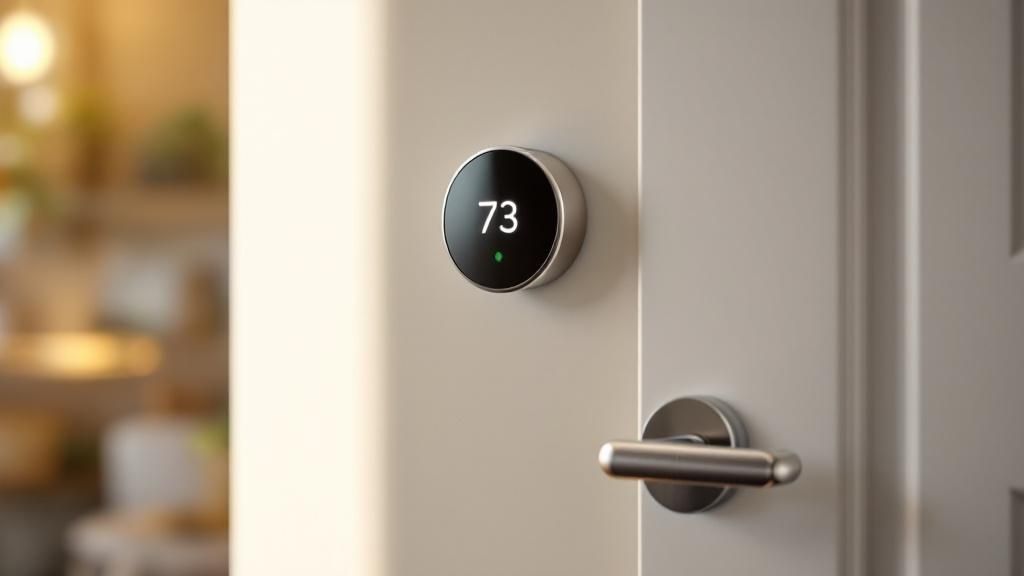
In an increasingly connected world, one of the most effective tenant retention strategies is the thoughtful integration of modern technology. This approach elevates a property from a simple living space to a modern, convenient, and secure home. For tech-savvy tenants in markets like Salinas and across Monterey County, features like smart thermostats, keyless entry, and integrated security are no longer luxuries but compelling reasons to stay.
Implementing these technologies demonstrates that you are a forward-thinking property owner invested in the tenant's quality of life. This not only attracts a high-caliber tenant pool but also significantly boosts satisfaction and loyalty. By offering cutting-edge convenience, security, and efficiency through technology, you provide tangible daily value that makes a renewal decision much simpler.
Key Insight: Smart home technology offers a dual benefit: it enhances the tenant's daily living experience while providing owners with improved security, potential energy savings, and a significant competitive advantage in the rental market.
How to Implement Smart Home Technology
1. Start with High-Impact Basics: You don't need a complete home automation system from day one. Begin with features that offer the most immediate convenience and security.
* Smart Locks: Offer keyless entry via codes or smartphones. This eliminates tenant lockout issues, simplifies access for vetted vendors, and provides an audit trail for security.
* Smart Thermostats: (e.g., Nest, Ecobee) Provide tenants with remote climate control, enhancing comfort and potentially lowering their utility bills—a tangible financial benefit.
* Video Doorbells: (e.g., Ring, Arlo) Bolster security and peace of mind, a highly valued feature for any tenant, whether in a single-family home in South County or a condo in Monterey.
2. Ensure a Robust Digital Foundation: Smart technology is only as good as the network supporting it. Before installing devices, ensure the property has reliable, high-speed internet connectivity. This is a baseline amenity that is crucial for retaining today's tenants.
3. Prioritize Security and User-Friendliness: Choose scalable, intuitive technology solutions from established providers. Provide tenants with a simple guide upon move-in to ensure they can easily use and appreciate the features you've invested in. Emphasize the security protocols in place to protect their data and privacy.
4. Partner with PropTech Experts: Navigating property technology can be complex. Working with a property management firm like Coast & Valley, which understands how to vet, install, and manage these systems, is crucial. We help owners select technology that provides the best ROI and enhances the tenant experience, a key component of our modern tenant retention strategies.
7. Proactive Lease Renewal Programs
One of the most effective tenant retention strategies is to remove uncertainty from the lease renewal process. A proactive renewal program shifts the dynamic from a last-minute scramble to a structured, early-engagement process. Instead of waiting for tenants to decide their next move, this strategy involves reaching out 90-120 days before lease expiration, making them feel valued and securing their tenancy before they even start browsing Zillow for alternatives in Salinas or Monterey.
By initiating a thoughtful conversation early, you demonstrate that their continued residency is important. This approach, often paired with personalized incentives, transforms the renewal from a simple transaction into a moment of positive reinforcement. For property managers aiming to keep tenants long-term, understanding and implementing effective tactics, such as proven strategies to reduce churn rate, is paramount. This system not only boosts retention rates but also provides crucial lead time to market the property should a tenant decide to leave, minimizing costly vacancy periods and maximizing your ROI.
Key Insight: The renewal process shouldn't start when the lease is about to end. Starting the conversation 3-4 months early makes tenants feel wanted and significantly reduces the likelihood they will explore other housing options.
How to Implement a Proactive Renewal Program
1. Create a Renewal Timeline: Systemize your outreach with a clear, multi-step timeline.
* 120 Days Out: Conduct an internal review of the tenant's history and current market rents in their specific area—whether it's King City or Pacific Grove—to formulate a preliminary offer.
* 90 Days Out: Initiate the first contact. This should be a friendly, professional email or call checking in, expressing your hope that they will continue their tenancy, and asking if they have any needs or concerns.
* 75 Days Out: Present the formal renewal offer, clearly outlining any changes in terms and highlighting the benefits of renewing early.
* 60 Days Out: Send a follow-up reminder. If they decline to renew, this still provides ample time to begin marketing the property, preserving your cash flow.
2. Offer Meaningful, Personalized Incentives: Generic offers have less impact. Create compelling incentives that show you value their tenancy.
* Early-Bird Special: Offer a small rent credit or lock in the current rate if they sign the renewal within a specific timeframe (e.g., by the 75-day mark).
* Service Upgrade: For a long-term, high-quality tenant, consider offering a small property upgrade they’ve previously inquired about, such as new light fixtures or a professional carpet cleaning.
* Local Gift Cards: A gift card to a popular local restaurant in Salinas or Monterey can be a simple yet highly effective thank-you that also reinforces community ties.
3. Leverage Automation and Data: Use your property management software to streamline the process. Set up automated reminders for both your team and your tenants, ensuring no deadlines are missed. Track which renewal offers are most successful to refine your strategy over time.
4. Make it Easy to Say Yes: Digitize the entire process. Allow tenants to review and sign their new lease agreement electronically from any device. The less friction involved, the higher your chances of securing the renewal promptly.
8. Amenities and Value-Added Services
Modern tenant retention strategies extend far beyond the four walls of the rental unit. Today’s high-value tenants, especially in desirable markets like the Monterey Peninsula, seek a comprehensive lifestyle, not just a place to live. Offering a curated selection of amenities and value-added services transforms a property from a simple commodity into a premium experience, providing a compelling reason for residents to renew their leases year after year.
This approach focuses on enhancing convenience, wellness, and community engagement. By thoughtfully investing in features that improve a tenant’s daily life, you demonstrate a commitment to their well-being that justifies premium rents and builds powerful loyalty. From high-speed internet to pet-friendly facilities, these additions create an environment that tenants are reluctant to leave, significantly reducing costly turnover and protecting your bottom line.
Key Insight: Value-added amenities are not expenses; they are investments in resident satisfaction and loyalty. The right features can elevate the living experience, turning tenants into long-term community members and boosting your ROI.
How to Implement Value-Added Amenities
1. Survey Your Tenants: Don't guess what residents want. A simple digital survey can reveal high-demand amenities, whether it's a secure package delivery system for busy professionals in Salinas or bike storage for active residents in Monterey. This data-driven approach ensures your investment delivers maximum impact.
2. Focus on High-Impact, High-Value Services:
* Connectivity: Robust, high-speed internet is no longer a luxury; it's an essential utility. Offering reliable, pre-installed internet is a powerful differentiator that busy professionals value. For more insights, explore guides on modern hotel WiFi solutions.
* Pet-Friendly Features: In pet-loving Monterey County, dedicated amenities like a small, well-maintained dog run, waste stations, or even partnerships with local groomers in Salinas can be a major draw and retention tool.
* Community Spaces: A well-maintained BBQ area, a small community garden for residents in Soledad or Gonzales, or a clean, modern laundry room can foster a sense of community and add significant daily value.
3. Forge Local Partnerships: Enhance your offerings without major capital investment. Partner with local businesses in King City or Salinas to offer tenants exclusive discounts on services like gym memberships, house cleaning, or local food delivery. This supports the local economy while adding unique value for your residents.
4. Market and Maintain Your Amenities: Ensure all amenities are consistently clean, functional, and well-maintained. Promote these features during property tours and in your listings to attract quality tenants and remind current residents of the value they receive. To explore a wide range of features that encourage renewals, see our list of apartment amenities that incentivize residents to renew on coastandvalleypm.com.
Tenant Retention Strategies Comparison Matrix
| Strategy | 🔄 Implementation Complexity | 💡 Resource Requirements | ⭐ Expected Outcomes | 📊 Ideal Use Cases | ⚡ Key Advantages |
|---|---|---|---|---|---|
| Proactive Property Maintenance | Moderate to High (coordination, scheduling) | Significant upfront & ongoing maintenance costs | High tenant satisfaction & sustained property value | Properties needing long-term value preservation | Protects asset; reduces emergency costs |
| Competitive Pricing and Rent Optimization | Moderate (data analysis and monitoring) | Requires market data tools and analytics | Optimized revenue & high occupancy | Markets with variable demand & competitive pricing | Maximizes ROI; predictable revenue |
| Exceptional Customer Service | High (staff training and multi-channel support) | Significant operational & training costs | Strong tenant loyalty & reduced complaints | High-touch service focused properties | Builds trust; improves reputation |
| Flexible Lease Terms | Moderate to High (lease admin complexity) | Legal expertise; lease tracking systems | Broader tenant pool & reduced vacancies | Properties targeting diverse tenant needs | Attracts wider tenant base; higher ROI |
| Community Building | Moderate (event planning and engagement) | Staff/time for event planning and amenities | Increased tenant loyalty & positive marketing | Lifestyle-focused and community-driven properties | Enhances tenant attachment; differentiates property |
| Smart Home Technology | High (installation & tech management) | High initial investment; tech maintenance | Increased tenant convenience & premium appeal | Properties targeting tech-savvy tenants | Improves efficiency; enhances security |
| Proactive Lease Renewals | Moderate (early engagement & tracking) | Staff time; renewal tracking systems | Reduced turnover & better cash flow planning | Properties focusing on retention strategies | Secures renewals early; minimizes vacancy |
| Amenities & Value-Added Services | High (capital investment & ongoing operations) | High upfront and operational expenses | Higher retention & premium pricing | Properties competing on lifestyle offerings | Drives revenue streams; enhances property value |
Partner with the Local Experts in Tenant Retention
Mastering the art of tenant retention is not merely about reducing turnover; it's a fundamental shift in how you view and manage your real estate asset. As we've explored, effective tenant retention strategies are not a series of one-off tricks. They represent an integrated system of proactive care, strategic investment, and exceptional service designed to transform a rental unit into a genuine home. For busy property owners and discerning investors in Monterey County, this is the key to unlocking stable, long-term returns and preserving the value of your high-end property.
The strategies detailed in this guide—from proactive maintenance and competitive pricing to flexible leases and community engagement—form the pillars of a successful investment management philosophy. It's about moving beyond the reactive cycle of fixing what’s broken and into a proactive model of anticipating needs and exceeding expectations. This approach not only keeps your best tenants happy and in place but also solidifies your property's reputation in a competitive market, from the luxury coastal homes of Carmel to the family-oriented neighborhoods in Salinas.
Weaving Strategy into a Cohesive System
Implementing these concepts in isolation can yield modest results, but their true power is unleashed when they are woven together into a cohesive system. Imagine this: a smart home feature (Technology Integration) is made even more valuable by exceptional, responsive support when a tenant has a question (Exceptional Customer Service). A competitive rent analysis (Pricing Optimization) is reinforced by offering desirable amenities that justify the price point (Value-Added Services).
This synergy is what separates average property management from a premium, concierge-level experience. It’s the difference between a tenant who pays rent and a tenant who becomes a long-term advocate for your property. Building this system requires more than just good intentions. It demands:
- Local Market Acumen: Understanding what tenants in Soledad, Gonzales, or Pacific Grove truly value.
- Consistent Execution: Ensuring every communication, maintenance request, and lease renewal is handled with the same high standard of professionalism.
- Dedicated Resources: Having the time, technology, and vendor network to implement these strategies without cutting corners.
Key Takeaway: True tenant retention is an ongoing, holistic process, not a checklist. It's about creating an environment where tenants feel valued, secure, and understood, making the decision to renew their lease the easiest and most logical choice.
Your Actionable Next Steps to Enhance Tenant Retention
Transforming your approach from passive landlord to strategic asset manager begins today. Here are your immediate next steps to put these tenant retention strategies into action:
- Conduct a Property Audit: Walk through your property with a critical eye. Where are the opportunities for high-impact, low-cost upgrades? Assess curb appeal, common areas, and in-unit features to protect your asset's value.
- Review Your Communication Protocol: When was the last time you proactively communicated with your tenants about something other than a problem? Schedule a check-in or send a community update to build trust.
- Analyze Your Renewal Process: Don't wait until 30 days before the lease expires. Begin your proactive renewal program 90-120 days out to open a dialogue and demonstrate you value their tenancy.
- Seek Professional Expertise: Implementing these sophisticated strategies across a single-family home or a multi-unit portfolio is a full-time commitment. The most significant step you can take to save time and maximize your ROI is partnering with a local expert who already has these systems in place.
For discerning property owners in Salinas and across Monterey County, the demands of modern property management require a partner who combines deep local roots with a forward-thinking, service-first mindset. This is where professional management becomes an investment, not an expense. It frees you to focus on your broader goals while ensuring your property performs at its absolute peak, attracting and retaining the high-quality tenants you deserve.
Ready to elevate your property's performance with proven tenant retention strategies? The team at Coast and Valley Properties, led by Salinas native Amy Salmina, specializes in providing the concierge-level service that turns tenants into long-term residents. Contact Coast and Valley Properties today to discover how our local expertise and proactive management can maximize your ROI and give you peace of mind.