Mildew on a Carmel Rental Wall: Marine Layer or Maintenance Problem?
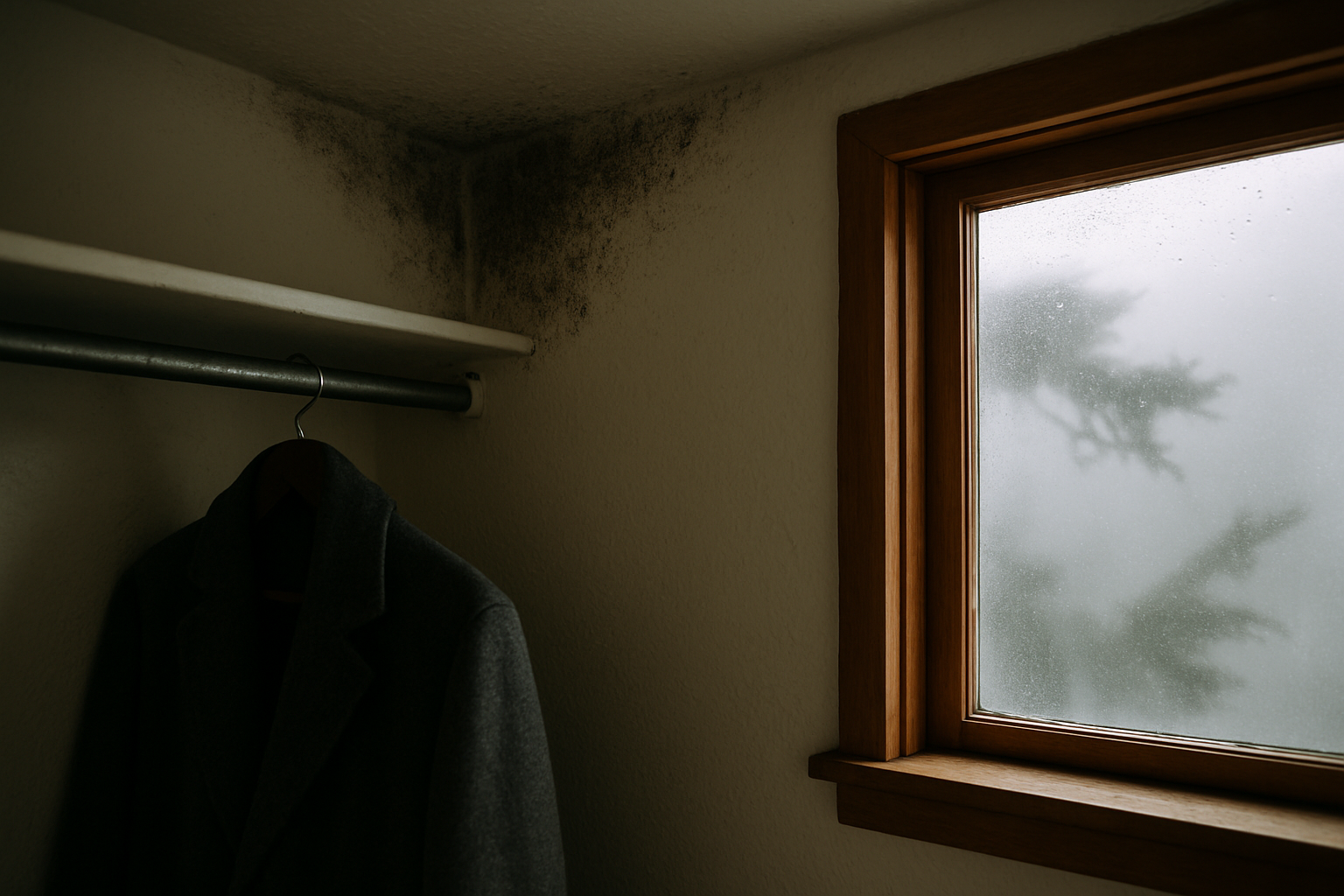
The text usually lands in January. A tenant sends a photo of dark spotting along a closet wall, or the lower corner of a north facing bedroom, and asks what you want to do about it.
If you live in San Jose, Sacramento or out of state, you are looking at one blurry picture and trying to decide whether this is a small cleanup or a five figure repair. That guess is uncomfortable, and I have watched owners lose sleep over it for weeks.
So let me give you the framework we use. Most coastal moisture complaints on the Peninsula are surface condensation, not building failure, and there are visible differences between the two. I will also explain why the same photo means something different if the property sits in Salinas instead of Carmel.
Why Coastal Moisture Shows Up on Peninsula Walls Every Winter
The physics here are simple. Cool, damp marine air parks against the outside of the house for days at a time, and it pulls heat out of the exterior walls and window glass.
Inside, warm air from cooking, showers, laundry and breathing carries moisture. When that warm, wet indoor air touches a cold surface, the water comes out of the air and sits on the surface. That is condensation, and mildew grows on damp surfaces.
Older homes in Carmel, Pacific Grove and downtown Monterey make this worse for a few reasons:
- Single pane windows that stay cold all day and drip at the sill
- Exterior walls with little or no insulation, so the drywall or plaster runs cold
- Small original closets with solid doors and no air movement at all
- Bathroom fans that are noisy, weak or vent into an attic instead of outside
- Tight tenant habits in winter, like drying laundry indoors and keeping windows shut for weeks
None of that means the building has failed. It means the house is behaving exactly the way a hundred year old cottage behaves in a foggy December. Renting out a home on the Peninsula comes with this baked in, and it is manageable once you know what you are looking at.
Reading the Photo: Surface Moisture vs Something Behind the Wall
I cannot diagnose a building from a phone photo, and neither can you. But you can sort a report into "watch and ventilate" or "get someone out there this week" by looking at where it is and how it behaves over time.
Surface condensation tends to show up in predictable places:
- Window sills, frames and the glass itself
- The cold side of an exterior wall, especially north and west facing rooms
- Closet ceilings and room corners with no air movement
- Behind a dresser or headboard pushed flat against an outside wall
- High on the wall rather than low
A real defect usually looks different:
- A stain that spreads or changes shape between visits or photos
- Discoloration starting at the baseboard and working up
- Drywall that feels soft or spongy when pressed
- A musty smell that comes back within days of cleaning the surface
- A patch that feels warm or damp to the touch, which can suggest a supply line
- Paint bubbling or tape lifting in a straight line, which can follow a pipe or a roof valley
The practical move is to ask for better information instead of guessing. Dated photos from the same angle two weeks apart tell you more than a dozen one off pictures. And if any of the defect signs are present, that is when a person with a moisture meter needs to be standing in the room, not trading texts.
Two Climates, Twenty Minutes Apart
This is the part most owners never hear, and it matters if you hold more than one property. The Monterey Peninsula and the Salinas Valley are different climates, and the drive between them takes about twenty minutes.
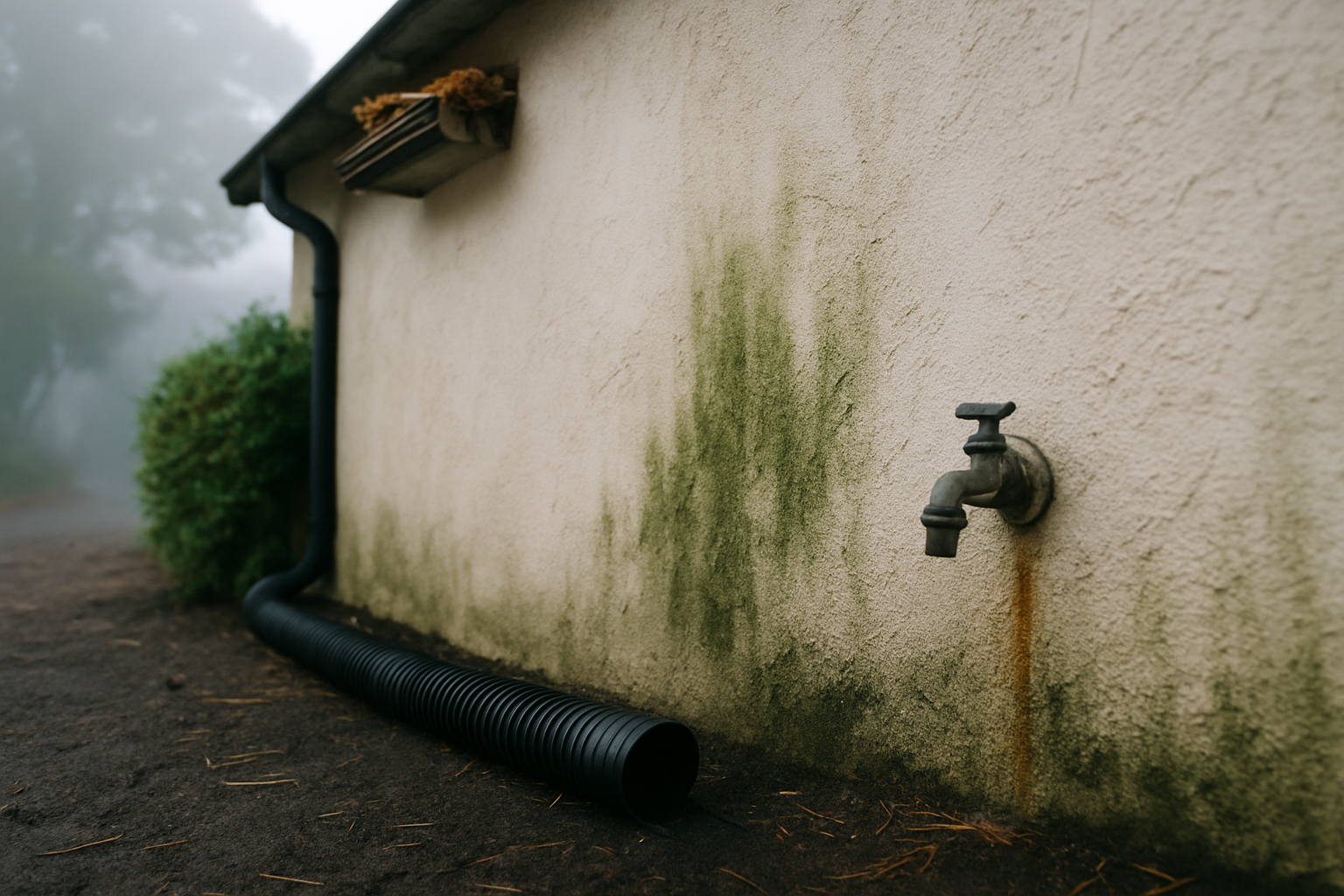
On the coast, the problem is persistent humidity and slow drying. Salt air chews on exterior hardware, hinges, light fixtures and paint on the weather facing side. Things stay wet because the sun never fully comes out.
In Salinas, Soledad and Gonzales, the problem is different. Winter tule fog, bigger swings between daytime and nighttime temperatures, agricultural dust that loads up furnace filters and vents, and genuine flood exposure on the low ground near the Salinas River.
So a damp closet in Pacific Grove and a damp closet in King City usually have different causes. One is a climate effect on an under insulated wall. The other is more likely a drainage, plumbing or roof issue, because valley air does not hold moisture against a wall the same way. Owners with property in South County should expect their manager to know which set of questions applies.
Same Complaint, Different Likely Cause
Here is how I read the same tenant report depending on which side of the hill the property sits on.
| Tenant reports | Peninsula likely cause (Carmel, Pacific Grove, Monterey) | Valley likely cause (Salinas, Soledad, Gonzales, King City) |
|---|---|---|
| Dark spotting high in a closet corner | Condensation on a cold, closed, uninsulated wall | Roof or flashing leak worth a same week look |
| Wet window sills most mornings | Single pane glass plus marine layer humidity | Overnight temperature swing and tule fog condensation |
| Musty smell that keeps returning | Slow drying crawl space or trapped air in a shaded room | Standing water under the house or poor grading after rain |
| Peeling exterior paint and stiff hardware | Salt air on the weather facing elevation | Sun, dust and dry heat breaking down finish |
| Furnace pushing dusty air | Less common, usually filter neglect | Agricultural dust loading filters and vents fast |
| Water intrusion at floor level | Wind driven rain at doors and thresholds | Real flood exposure on low ground near the river |
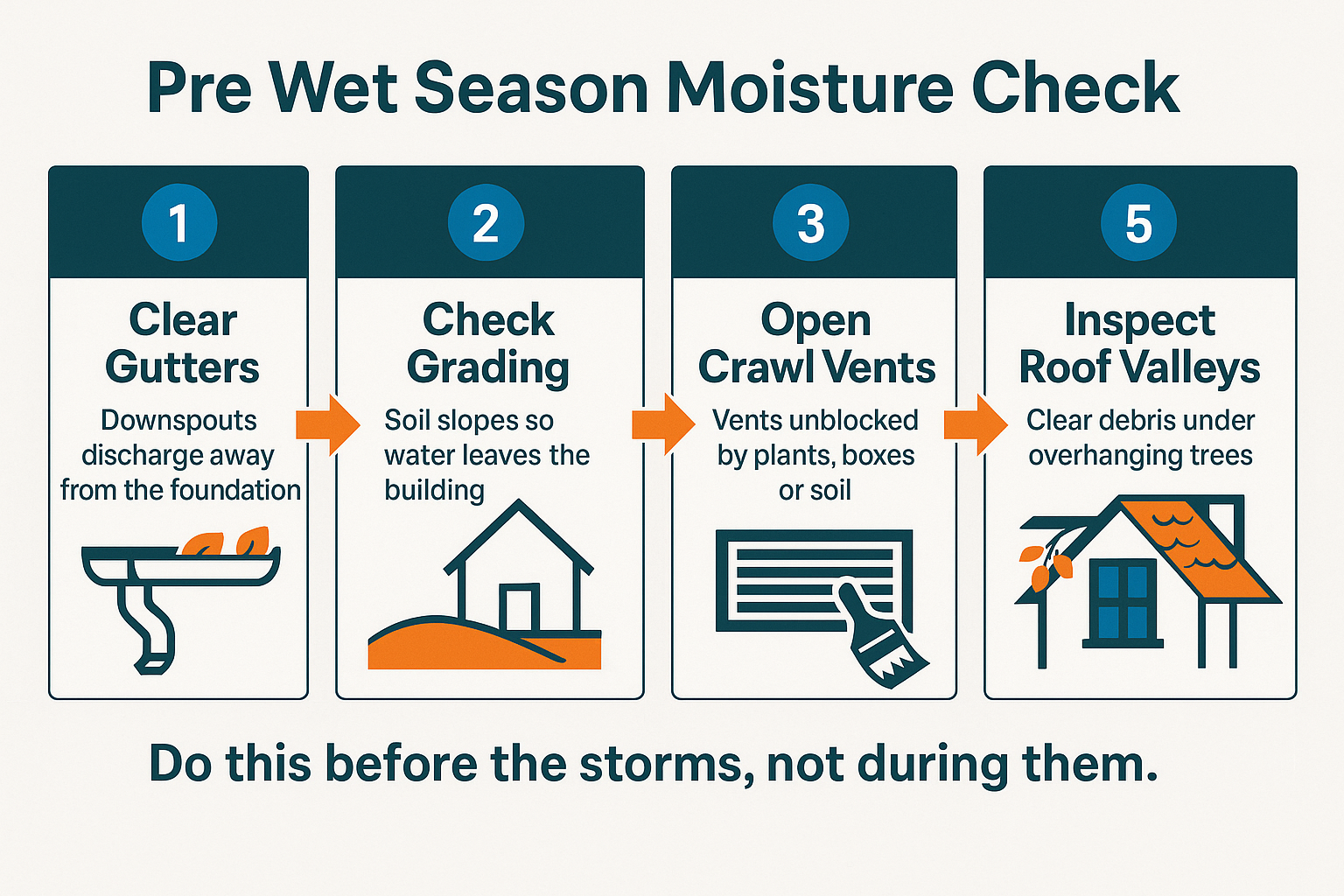
The Pre Wet Season Moisture List
Drainage work belongs on a calendar, not in reaction to a storm in the forecast. These five items are the moisture side of a fall walkthrough.
Timing Is the Whole Game
There is a reason I push owners to finish this work in the fall. Most of California's yearly rain arrives in a handful of big storms, and USGS research on atmospheric rivers notes those systems can only be forecast a few weeks out.
That forecast window is shorter than the time it takes to get a roofer, a gutter crew and a drainage contractor scheduled in Monterey County. We are heading into a wet season forecasters expect to be active, and every local vendor list gets booked the week the first real storm hits.
So the order matters. Water needs to leave the building before you worry about anything inside a wall. If you want the full sequence, I walk through it step by step in what to check before the first storm.
The Moisture Problem No Tenant Ever Reports
Vegetation. It is the single most common moisture issue an absentee owner never sees, because it develops over years and nobody writes in about a shrub.
One owner contacted our office about ivy from a neighboring property that had grown over the shared back fence and was working its way toward the garage roof. Another asked us twice across several months whether the tree in the front yard of her Salinas rental had been trimmed and whether the side fence had been replaced, and she wanted photos of the finished work. Both instincts were exactly right.
Here is why plants matter more than people think:
- Branches and vines hold water against wood siding, trim and fence posts
- Growth blocks sun and airflow, so the wall never dries out
- Roots and ivy pry apart fence boards and lift roofing
- Leaf litter clogs roof valleys and gutters, backing water up under shingles
- Plant growth covers crawl space vents, sealing damp air under the house
Trim back anything touching siding, roofing or fencing. Ask for photos of the finished work, which is a reasonable thing to expect and part of how a repair gets approved and confirmed.
The Leak That Shows Up on the Water Bill, Not the Wall
The most expensive moisture problem I see is not mildew at all. It is an irrigation or supply leak running quietly for months.
Owners on both sides of the county have ended up in real disputes over water bills that climbed and climbed before anyone traced the cause to a sprinkler line. By the time it surfaces, the cost has piled up and the relationship with a decent tenant has soured. That is the part owners underestimate.
The early warning signs are cheap to watch for:
- An unexplained jump in the water bill with no change in occupancy
- A patch of lawn that stays green or soggy through a dry spell
- A water meter that keeps creeping with everything inside shut off
- Soft or sunken soil along a planting bed or driveway edge
- A hissing sound at a hose bib or irrigation valve box
When the meter is moving with the house shut down, that is a today problem, not a Monday problem. If you are unsure where that line sits, I break down what counts as an after hours emergency separately.
This article has one job, which is helping you read a moisture report correctly. It is deliberately narrower than a full storm prep guide, because most owners do not need a hundred item checklist. They need to know whether the photo on their phone is a Tuesday problem or a wall opening problem.
Frequently Asked Questions About Mildew and Coastal Moisture in a Monterey Peninsula Rental
Is mildew in a Carmel or Pacific Grove rental automatically a sign the house has a leak?
No. Surface mildew on cold exterior walls, window sills and inside closed closets is a common climate effect in this part of the county. What changes the answer is behavior over time: a stain that spreads, drywall that feels soft, or a smell that returns after cleaning.
How do I tell the difference without flying out to the property?
Ask for dated photos from the same angle roughly two weeks apart, taken with furniture pulled away from the wall. Stable spotting in a cold corner reads very differently from a patch that has grown. If the photos show any of the defect signs, someone with a moisture meter needs to be in the room.
Does opening windows in the winter actually help on the coast?
It does, more than owners expect. Short cross ventilation, working bath and kitchen fans, and leaving a few inches of air behind furniture on exterior walls all cut surface condensation. Drying laundry indoors in a closed cottage is one of the fastest ways to create the problem.
My property is in Salinas, not on the Peninsula. Should I read a damp wall the same way?
No, and this is where owners get tripped up. Valley air does not hold moisture against a wall the way marine layer air does, so a damp wall in Salinas or Gonzales points more toward drainage, plumbing or roofing and deserves a faster in person look.
How often should someone actually be walking the property?
At a minimum, once a year with a real walkthrough and photos, plus a look before the wet season. We perform annual property inspections on the homes we manage, and the fall pass is where drainage, vegetation and exterior paint problems get caught while vendors are still available.
Want a Second Read on a Moisture Report?
We have managed homes on both sides of Monterey County since 2009 under broker owner Amy Salmina, which means annual inspections, a vetted local vendor list and 24/7 emergency availability are handled by people who know that a damp closet in Pacific Grove and a damp closet in King City usually have different causes. Owners who want to talk through a specific property are welcome to reach the office at (831) 757-1270 or through the contact form at coastandvalleypm.com.
What Counts as an Emergency at 2 a.m., and What Waits Until Monday
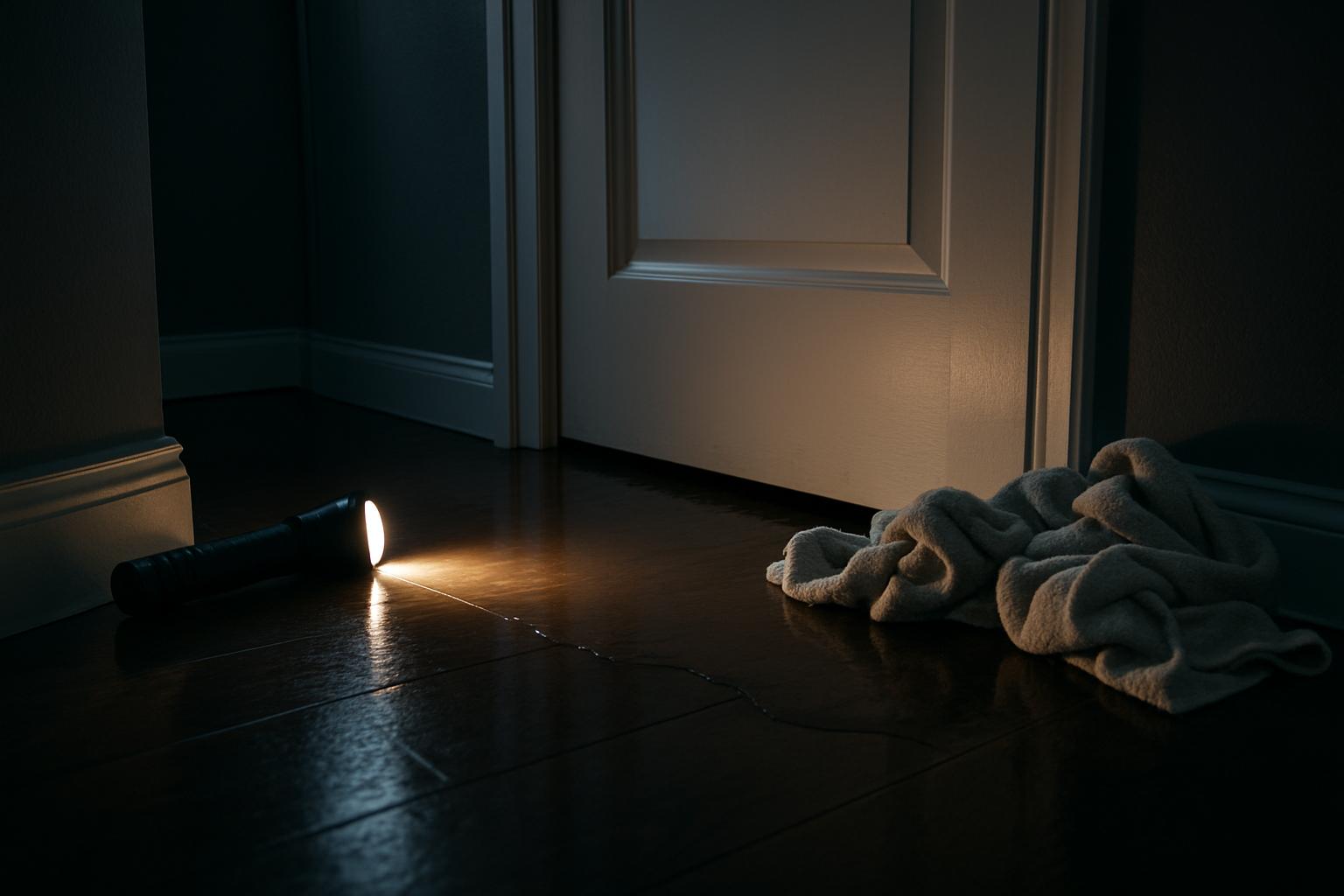
The phone rings at 2:07 a.m. A tenant says water is coming up through the shower drain and the toilet will not flush. You are in Carmel, or you are asleep in San Jose, and you have about thirty seconds to decide whether this is a plumber call right now or a Monday morning call.
I take these calls for owners across Monterey County, and the hardest part is never the repair. It is the triage. Owners and tenants almost never agree on what an emergency is, and that gap costs money in both directions.
So let me give you the list I actually work from, the local situations that test it, and how spending authority should be set up before the phone ever rings.
The After Hours Emergency List for a Rental Property
An after hours emergency is something that threatens safety, security, or the building itself if it sits for eight more hours. That is the whole test.
Here is what makes the list:
- No water at all to the unit
- Sewage backing up into a tub, shower, or floor drain
- An active leak that is spreading, not a drip into a bucket
- No heat during a cold snap, which matters more than people think in a January Salinas Valley night
- A gas odor of any kind
- A failed exterior door, window, or gate that leaves the unit unsecured
- Anything involving fire or an electrical burning smell
That is the list. Everything else is a next business day item.
A broken dishwasher waits. A stuck window waits. A downed fence panel waits. A dead garbage disposal, a burned out oven element, a slow bathroom sink, a chattering closet door, all of it waits until morning.
Gas is the one exception where nobody triages anything. If a tenant smells gas, they leave the building first and call the utility from outside, and Ready.gov's guidance on natural gas leaks reflects that same order of operations. The repair conversation happens after everyone is standing in the driveway.
Three Real Situations, Three Different Right Answers
Abstract rules fall apart fast. Renters in this market describe things that sound similar and are not remotely the same problem.
Water shutting off and backing up into the showers, twice in one month. That is a same night call, both times. No water is a habitability issue and a backup is a sanitation issue, and a repeat inside thirty days says the first visit treated a symptom instead of the cause. The second call should trigger a camera on the line, not another auger.
Birds getting into a stove vent from outside. This one is not a 2 a.m. dispatch, but it is also not a shrug. A blocked vent is an airflow problem and a fire risk, and telling a tenant to handle it themselves is how a small item turns into a review that follows the property around. Next business day, with a vendor, plus a screen so it does not happen again.
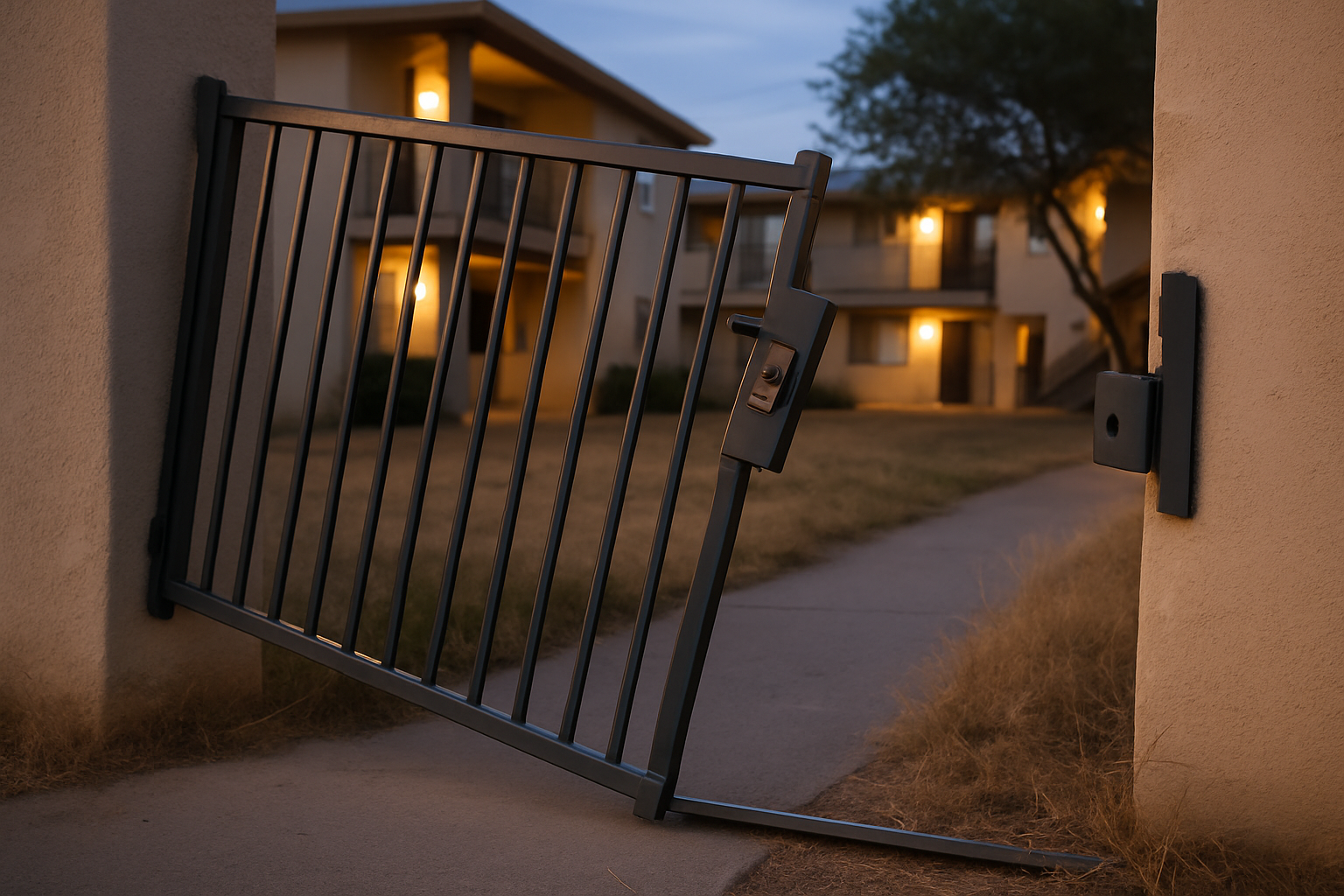
A complex gate that stays broken for months. The single failure is a next business day repair. Month three is a liability problem and a vacancy problem. When people can wander into a property where children live, the clock stopped being about maintenance and started being about the owner's exposure.
The pattern I want you to notice: urgency and importance are different axes. Some things need a plumber tonight. Some things need to stop being ignored, which is a management problem, not an after hours one.
Call Tonight or Wait Until Monday
This is roughly the mental sort I run when a call comes in after hours. Your property may shift a line or two, and that is worth discussing in advance.
| Situation | After Hours or Next Business Day | Why |
|---|---|---|
| No water to the unit | After hours | Habitability and no safe workaround |
| Sewage backing up into a tub or shower | After hours | Sanitation risk and fast property damage |
| Active leak that is spreading | After hours | Every hour adds subfloor and drywall damage |
| No heat during a cold snap | After hours | Health risk for kids, elderly, and pets |
| Gas odor | Evacuate, then utility | Life safety before anything else |
| Front door or gate will not lock | After hours | Unit is unsecured |
| Burning electrical smell | After hours | Fire risk |
| Broken dishwasher or disposal | Next business day | No safety or damage exposure |
| Stuck window, fence panel down | Next business day | Inconvenience, not risk |
| Slow drain, one drip under a sink | Next business day | Containable overnight with a bucket |
The Real Problem Is Not the List. It Is Whether Anyone Picks Up.
The most common complaint in this entire industry is not price. It is that nobody answers the phone.
Renters describe maintenance contacts they could not reach by phone or email for long stretches. Owners pay for that in three ways, and none of them show up on a monthly statement.
- Secondary damage. A small leak reported at 11 p.m. and answered at 11:20 is a plumber call. The same leak discovered Monday morning is a flooring claim.
- Tenants who stop reporting. Once someone learns nothing happens, they stop calling. You find out at move out.
- Public reviews. Slow after hours response shows up in writing, and it makes the next vacancy harder and slower to fill.
Answering is not the same as fixing. Half of a good after hours call is a person who picks up, knows the property, tells the tenant how to shut off the angle stop under the sink, and gets a vendor scheduled for 7 a.m. That call costs nothing and saves a claim. It is the same standard I apply to how a property manager should communicate with owners and tenants during normal business hours, just harder to pull off at 2 a.m.
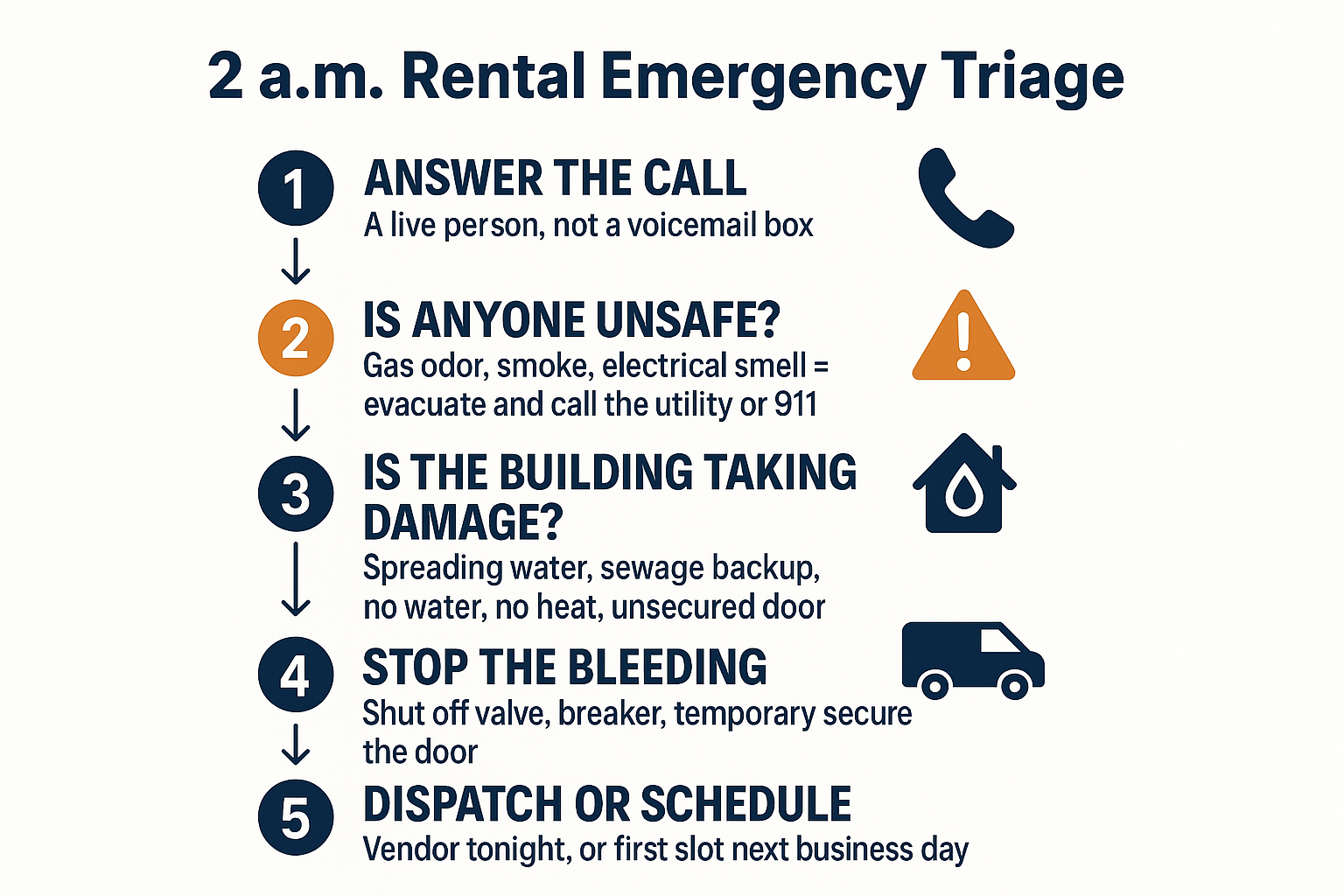
The 2 a.m. Triage Sequence
This is the order the decision actually happens in, from the tenant's first call to the vendor showing up.
Money Is the Reason Triage Exists
Every after hours dispatch costs more than the same work in daylight. Trades in this area generally charge a premium for nights, weekends, and holidays, and the exact multiplier varies by trade and by how far the tech has to drive. Plumbers and restoration crews sit at the higher end.
So sending a vendor at 2 a.m. for something that could wait until 8 a.m. is a real, avoidable cost to you. And waiting on something that should not wait is a much larger one.
Here is how spending authority normally works in practice. The owner sets a per incident approval limit in advance, in writing. Below that number, the manager acts immediately and reports after. Above it, the owner gets a call, even at 2 a.m.
I will not quote you a figure, because the right limit depends on the property, the age of the systems, and how reachable you are overnight. An owner who travels internationally wants a higher limit than one who sleeps ten minutes away. That is a conversation to have when the agreement is signed, not while water is running.
If you are weighing this against handling calls yourself, it is worth reading about the hidden workload behind managing a single rental home, because the 2 a.m. calls are the part owners underestimate most.
The Monterey County Layer
Response windows here are not uniform. Where your property sits changes what a realistic answer looks like.
- Winter storms. Wind damage runs high on the Peninsula, from Pacific Grove through Pebble Beach, while drainage and standing water are the recurring Salinas Valley problem. During a storm week, every plumber and tree crew in the county is already booked.
- Power outages. Outages take out well pumps and gate motors. A property on a well loses water when it loses power, which looks like a plumbing emergency and is not one. Storm readiness on a Salinas rental is largely about preventing these calls in the first place.
- South County distance. Vendor response in Greenfield or King City at midnight is simply slower than in Salinas. Fewer trades run true after hours coverage that far south, and drive time is real. Owners with property in South County should expect a wider window and plan for temporary fixes to carry more weight overnight.
None of that is a reason to avoid owning down valley. It is a reason to know the honest number before an emergency sets your expectation for you.
Frequently Asked Questions About After Hours Rental Emergencies
Is no hot water an emergency?
Usually not overnight. No water at all is an emergency. No hot water is a next business day item unless the water heater is leaking, which turns it into a spreading water problem.
What if a tenant calls something an emergency and I disagree?
That argument should never happen at 2 a.m. The standard belongs in the lease and in the move in conversation, with the emergency list spelled out plainly. When tenants know the line in advance, the after hours volume drops on its own and the calls you do get are real.
Who pays if the tenant caused the problem?
The bill still gets handled that night so the damage stops. Responsibility is sorted afterward based on cause and what the lease says. Arguing about fault while water is running is how a repair becomes a claim.
Should I give my cell number to tenants for emergencies?
Most owners who try it stop within a year. The problem is not the true 3 a.m. emergencies, which are rare. It is the steady stream of 9 p.m. dishwasher calls, and the fact that you probably cannot get a plumber to pick up for you at midnight the way an established vendor relationship can.
How fast should someone respond after hours?
A live human within roughly 15 to 30 minutes, and a vendor on site the same night for true emergencies in Salinas and on the Peninsula. Farther south, the vendor window is realistically longer, so the first phone call and a temporary shutoff matter even more.
Thinking Through Your Own After Hours Plan?
A 24/7 line only works when it is answered by people who know the property and can reach vendors who will actually pick up at midnight in Greenfield or on the Peninsula. That is a local relationship problem, not a technology problem, and it took us years in Monterey County to build. If you are working out what your own emergency plan and approval limit should look like, our team at Coast & Valley Properties is reachable at (831) 757-1270 or through the contact form at coastandvalleypm.com.

9 DIY Home Maintenance Tips Every Landlord Should Know, According to Coast & Valley Properties
 Property management tips for landlords, Home maintenance for rental properties, residential property agent salinas ca" width="300" height="200" />
As a landlord, it's essential to keep your rental property in good condition to ensure your tenants' safety and satisfaction. Neglecting maintenance tasks can lead to costly repairs and even legal issues. That's why Coast & Valley Properties, a residential property agent in Salinas, CA, has put together these 9 DIY home maintenance tips that every landlord should know.
1. Check the HVAC
System Regularly Heating, ventilation, and air conditioning (HVAC) systems are essential for maintaining a comfortable and healthy living environment. It's crucial to check your HVAC system regularly to ensure it's working correctly. Replace the air filter every three months or sooner, clean the coils, and remove any debris around the outdoor unit.
2. Inspect the Plumbing System
A leaking faucet or pipe can cause extensive damage to your property. Inspect your plumbing system regularly and fix any leaks or clogs immediately. Check the water heater for any signs of corrosion and flush it out annually to remove sediment buildup.
3. Maintain the Roof
A leaky roof can lead to water damage, mold, and even structural issues. Inspect your roof for any signs of damage, such as missing or cracked shingles, and repair them as soon as possible. Clean the gutters regularly to prevent water from backing up and causing damage.
4. A Landlord Should Keep the Property Clean
A clean rental property not only looks better but also prevents pest infestations and reduces the risk of accidents. Encourage your tenants to keep their living spaces clean and tidy, and hire professional cleaners to deep clean the property between tenants.
5. Inspect and Maintain Electrical Wiring
Electrical fires are a leading cause of residential fires, and faulty wiring is often the culprit. It's crucial to inspect your property's electrical system regularly and fix any issues promptly. Exposed wires, overloaded circuits, and faulty outlets can all lead to electrical fires. Installing smoke detectors in every room is also essential to alert tenants in case of a fire.
Smoke detectors should be tested regularly to ensure they're working correctly, and the batteries should be replaced annually. In addition to smoke detectors, it's also a good idea to install carbon monoxide detectors to detect this odorless gas that can be lethal. Hiring a licensed electrician to inspect your property's electrical system is the best way to ensure that it's safe and up to code.
6. Check the Windows and Doors
Windows and doors play a significant role in your property's energy efficiency and security. Inspect them regularly and repair any damage or gaps that allow air to escape. Install weather stripping and caulking to improve insulation.Properly sealed windows and doors can significantly reduce energy bills by preventing heat loss during winter and heat gain during summer.
7. Maintain the Landscape
A well-maintained landscape not only enhances your property's curb appeal but also prevents water damage and pest infestations. Trim the trees and bushes regularly, and remove any dead branches or debris. Keep the lawn mowed and fertilized to prevent weeds from taking over.
8. Test the Smoke and Carbon Monoxide Detectors
Smoke and carbon monoxide detectors save lives. Test them regularly and replace the batteries twice a year. Install detectors on every floor of the property, including the basement and garage.
9. Respond to Maintenance Requests Promptly
Tenants expect their landlord to respond to maintenance requests promptly. Make sure you have a system in place to track and respond to maintenance requests quickly. Addressing maintenance issues promptly can prevent small problems from becoming more significant and costly repairs.
In conclusion, maintaining a rental property requires time and effort, but it's essential for ensuring your tenants' safety and satisfaction. Following these 9 DIY home maintenance tips can help you avoid costly repairs and legal issues. Remember, a well-maintained property not only benefits your tenants but also protects your investment.