The Difference Between a Tenant and a Guest
Sometimes, you as the landlord will be placed in the situation of learning that there are unexpected people living inside of your rental property. Therefore, it's important for you to understand the difference between how to handle guests, and how to handle your legal tenant.

Rental Guest and Rental Tenant: A Difference in Terms
A legal resident is someone who has the legal right to set up residence inside of your rental property.
They have filled out the paper rental application. You have performed a credit check and a criminal background check on them, and they've passed both. They have rendered payment, such as the first month's rent, and usually, a deposit that at least equals the first month's rental fee. Finally, you have legally assigned keys to the residents.
A rental guest is a legal resident of your rental property. They aren't associated with any legal paperwork that would give them the right to take up residence inside of your rental. In most cases, the guest has no desire to take up long-term residence at your rental.
They are simply visiting the legal resident for a very short period of time. They have a home base where they reside, and they are happy to go home after they've completed their visit with your legal residents.
Do Rental Guests Get to Enjoy Legal Rights?
Because the rental guest or guests have no legal paperwork in place with you, they don't have the legal rights that your renters enjoy. They can't exercise their right to stay inside of the property. They can't leave personal property on the exterior of the rental property, such as cars, trucks, or boats. They aren't entitled to keys to your rental property.
In short, they don't get to enjoy the same legal rights as your rental residents.
What are the Scenarios That Would Describe a Guest?
A residential guest could be described as the following:
- They are friends who decide to either stay the night or over the weekend with the legal residence. They are usually crashing after a long night out, or they are visiting in from out of town. They have every intention of going home after their short visit.
- They are family members who have planned a short-term visit. They enjoy their visit, and then they pack their belongings in order to drive home. Again, they have no intention of staying and setting up home inside of your rental property. They have every intention of going home after their visit with their family members.
- They are domestic helpers who have previously arranged to stay over a night or two. But as is the case in the previous examples, they have a home to go back to. They have no intention of setting up shop at your rental property.
What are the Scenarios That Describe a Legal Tenant?
For clarity sake, below are scenarios that would describe legal residents of your rental property:
- They are an individual or a family who has passed your credit and background check. They have signed the paperwork, and have rendered money in order to establish the payment of rent. They have agreed to abide by your rules.
- These are residents who have every intention of calling your rental property home for an extended period of time, according to the length of time specified with your lease.
- The residents have agreed to take excellent care of your rental property. They won't trash it, and they'll notify you immediately if major maintenance needs to happen. They also agree to abide by local ordinances such as fire codes, trash disposal, etc.
- These are people who understand that they don't own the property, and they can't maintain residence on your property without renewal of your lease contract. If they violate the terms of your lease, then you have the right to exercise all legal prescriptions for dealing with them, up to and including the legal eviction process.
When Your Guest Illegally Becomes a Resident
With all of this in mind, it should be crystal clear to all parties involved what their roles are in a residential rental situation. However, there are times when one or more of the parties involved pretend as if they don't understand what their roles and responsibilities are.
For example, this could take place when legal rental property tenants allow their guests to overstay their welcome. The guest might decide that they'd rather live with the legal residents, and they refuse to go home when the time arises. Another instance is if the guest (for some reason) loses access to their permanent home, and then they decide to stay with the people who have actually signed the lease.
If scenarios like this take place, then you have what is commonly referred to as a squatting situation. A squatter is a person (or people) who have illegally taken up residence in a home. In short, squatters don't sign lease contracts.
They don't pay money to stay at your residence. They often do things to claim dominion such as turn on utilities, park vehicles on your property, and enjoy life as if they've performed all of their legal responsibilities, although they haven't.
When a Loophole Turns Into Legal Rights
Here's where things can become tricky for property owners:
If the squatter offers you, the property owner money or services in kind in exchange for room and board, and if you accept their money, then you've legally made them a resident of your property. You can't force them to leave without going through the lengthy and costly court eviction process.
Therefore, it's crucial that you never accept money or services in kind in exchange for their rooming on your property. Another thing that allows guests to overstay the lease contract is the acceptance of their mail on your property. If they are receiving mail, especially if it's been more than 30 days, then they are legally entitled to stay, and you'll be forced to legally evict them.
How to Avoid Headaches and Evictions
It's crucial that you as the owner completely understand what's going on inside of your rental. You'll need to take a hands-on approach by visiting the property on a regular basis. While you don't want to seem as if you're harassing your residents, you'll need to look for signs that they aren't allowing guests to become long-term residents who aren't included in your lease contract.
And if you're not able to personally keep an eye on your property, then contract with a property management company that can. Property management companies can handle issues such as property rental pricing, and common property management services.

The Friendly Rent Increase Letter
Should you wish to add a rent increase for the next rental period, this must be fully communicated in writing. One of the most important aspects of property management is the ability to retain tenants from lease period to lease period. Learning that faithful tenants wish to renew their lease is usually music to the ears, as having to re-list rental units takes time and money.

Rent Increase
Tenants often base their decision on whether to stay or move based on projected rent increases. This is why it's crucial to deliver a letter that is both friendly and informative. In addition, you need to make sure these increases exist fairly within local regulations. Usually, increases occur in a range of 3 to 5%, but up to 10% may be legal in some jurisdictions.
Property rental pricing guidelines
There are several key elements to let your tenants know that a rent increase is imminent. Generally, it is customary to give each rental unit a minimum of thirty days’ notice.
While your area may not limit the amount you can raise the rent, it is advisable that you make your request both fair and equitable. If you frighten or alienate your tenant, this may drive them away for good. As well, regulations in your area may prevent raising rents to drive undesirable tenants out.
Rent Control or Rent Stabilization
As stated before, always check regulations in your given
locale. If your rental property falls under rent control limitations, future
rent additions must be bound by the following:
- Whether it is legal to raise the rent for units in your building or development
- The frequency between rent changes; be it yearly or after a lesser lease period
- If local rent control laws allow for increases during the lease period
- The percentage of increase allowed, including any monthly, quarterly or yearly fees
- How far in advance a rent increase must be issued in a number of days, weeks or months
Create a professional letter that is friendly in tone
The letter you write serves as a permanent record of formal communication with your individual tenant, family or group of tenants; as in roommate situations. Make sure your request is to the point, professional, but polite in nature. For this reason, a formal letter and not a text, telephone call or voice mail message is proper form.
What to write?
If writing letters and notices don't come naturally to you, feel free to use an already established template. These can be found online and come in a variety of styles. Always make it clear that tenants should contact you with any questions, concerns or pressing scenarios. These might include a change in the names of the tenants or a short extension of the current lease to meet with their moving date.
Using stationery from your property management company,
address the letter to the tenant or tenants named on the lease. Avoid a generic
opening like “Dear Tenant” or “To Whom it May Concern.”
The subject of the letter should be at the top of the page as a heading that immediately lets the reader understand the importance of your communication. A simple but effective heading is “Change in Rent Amount” or “Rent Change Notice.” Whenever possible, center your header and emphasize it with bold lettering and/or underline.
While your letter should reflect a formal request, it should
never read like a demand letter. Remember that it helps to give your tenant a
short explanation as to why an increase in rent is necessary at this time.
Perhaps you've made improvements to the property or plan to do so in the near
future. At all times you want your tenant to understand that this increase is
neither arbitrary nor greedy, but in the very best interest of the property
they reside in.
The following needs to be included either in paragraph
format or in the form of a running list:
- The legal name of tenant or tenants (Do not use nicknames or casual names.)
- List the address of the property, including the unit number
- The name of the landlord or property management team
- A postal address, email address and phone number where you can be reached
- The date that the letter is written, which should be at or near the date of delivery
- When the increase in rent is to take effect and for how long
- The current rent and the exact amount of increase including allowable fees
Keep your letter short, easy to read and right to the point.
Always let them know that you appreciate your long-time tenants. This alone
goes a long way to add warmth to any landlord to tenant letter. After all of
the pertinent information has been listed, sign off with “Thank you” and then
“Very truly yours” or “I look forward to hearing from you at your earliest
convenience.”
To make sure you hear from the tenant in a timely manner,
you would be wise to add a form for the tenant to return to you. It needs to
have an area where they can sign their name(s) in agreement to the change in
rent or let you know that they will be moving when their lease has expired.
Either way, their reply to you should be kept on file so that you can prove
that they were properly served notice.
How should you send this letter?
The letter should always be enclosed in a sealed envelope and never just shoved under their door. Hand deliver it or send it through the postal service using a return receipt for your records. The date of certified delivery should begin the number of days’ notice given. Because many tenants communicate solely through digital means or may be traveling, following up via email is also an excellent idea.

Does Your Tenant Want to Terminate the Lease Early?
You often expect that when your new tenant signs their lease that they'll honor it through the end of the term of their stay on your property. However, there will be instances when a renter wants to terminate their lease earlier than what they agreed to on their contract.
Sometimes ending a lease early can't be helped, but there are other instances when a property renter needs to be held accountable for ending their lease. Below are examples of why a tenant ends a lease early, along with what you can do if you're faced with the issue.

When a tenant's need to leave is beyond their control
One of the most common reasons why your tenant might need to break their lease is due to military deployment. Although it's true that they need to honor your contract, their contract to the federal government is their first priority.
In fact, the Service Members Civil Relief Act protects service members who currently face active duty, reserve, or wartime deployment. It's illegal to hold the tenant to the terms of your lease if they are being called to military duty or deployment. Although it will be a bit of a pain to find new tenants while marketing your empty property, you really have no legal recourse except to allow the renter to serve their country in peace.
Another reason why tenants terminate their lease early is due to law that offers abuse victims protection. Specifically, if the renter can show proof that they are being physically or sexually violated, or if they are being harassed or stalked, they have the right to protect their safety by moving.
If you're unsure if your state protects renters in these scenarios, then it's best to seek legal advice. But you always have the option as the property owner to allow the renter to seek new shelter, without retribution.
Gray-area issues
There are what you might view as gray-area instances when your renter wants to leave, but they're not protected by laws that allow them to leave without penalty. For instance, there's the instance of job loss. Clearly, if your renter loses their main source of income due to job loss, then they won't be able to afford meeting the responsibilities of their contract.
You have the legal right to hold them responsible for honoring their lease by referring the issue to a collections agency. However, while you'll be able to damage the renter's credit report, there's a very good chance that you won't be able to collect any outstanding money, so you'll still be faced with taking a loss.
Ask yourself if seeking financial retribution is worth it or if it's just best to let things go, and quickly find a new renter for your property. The same line of reasoning holds true for tenants who experience major life issues such as illness or divorce. Sometimes things happen that are beyond anyone's control. You have the legal right to force the issue of payment, but in some instances, it might not be worth it for you to pursue these issues.
Clear instances of early lease termination and violation
Clear instances of a renter violating and terminating your lease include vacating the property without notice and before the lease term ends, causing serious damage to the property, breaking the law, or leaving early with notice.
If any of these take place, then you are protected to the fullest extent of the law to pursue financial damages from the previous renter. Keep in mind you also have the responsibility to find a new leasee as quickly as possible. You also can't charge the old tenant for rent they owe while you're also collecting rent on your property from the new renter.
One method of finding a middle ground between you and your outgoing renter is to include an early termination clause in the body of your rental lease. An early termination clause typically states that if your renter gives you a set period of time for notice of vacating the property, then you'll release them from financial penalties after they buy their way out of their current lease.
Typically, property managers and landlords across the country ask for two months rent at market value, plus a reletting fee. You can ask for anywhere between 60 days and one day notice of vacating the property. In all instances, the renter must inform you of their intent to leave in writing, and you must sign off on the acknowledgment of receiving the letter and agreeing to the letter.
Finally, keep in mind that the security deposit that you collected in the beginning is not a substitute for outstanding rental fees. If the property has been left in reasonable condition that wouldn't require serious cleaning or repair to the property, then the outgoing renter has the right to expect a return of their security deposit.

Renting Your Property to College Students
The college rental market can be lucrative. Landlords that live in or near college towns know that opportunities abound to rent out their units. They also know that college students represent different risks than other adult tenants. Deciding if it is worth it takes a balancing test, where you consider all the factors and then decide how much weight to give each of them. Below are some points to keep in mind when contemplating renting your property to college students.

High Renting Demand
Landlords want money. They rent out their acquired properties to increase their wealth. There's no better place to do this than in a college town. Every year, there are needy students who must find places to live.
This is a landlord's dream: high demand. For some owners, high demand means higher rents. When this happens, many other landlords may follow suit. The ones that decide not to raise their rents still enjoy a regular stream of money.
Money from college students can be a secure source of income. In many instances, students get their money from employment, parents, student aid, or a combination of all of the above. These are all great and verifiable sources of income.
High Tenant Turnover
College towns are all about high turnover rates. Most students don't stay in their college towns after they graduate. As a landlord in this market, expect new tenants on a regular basis and not just every four years. It's fairly common for students to change residences yearly until they graduate.
This high turnover can work well for landlords. It can work out to be an easy way for the landlord to get rid of bad tenants. Most tenants, bad or good, leave when they graduate or before.
That being said, with high tenant turnover comes more work. Time, money, and energy are all required to advertise, process applications, schedule interviews, and clean when an apartment is vacated.
In addition, with higher turnover comes less of a feeling of ownership by the tenant. If a tenant knows they will be leaving a place soon, they tend to ignore the house or apartment and mistreat it. Some are even destructive.
When a tenant has a sense of ownership of a place, then they will do things to beautify the property and keep it maintained as if it were their own. This sense of ownership is difficult to achieve when there is a high turnover rate.
Zero Credit or Rental History
If you want to do business in this market, you'll have to accept the fact that most of your tenants will have very little to no credit or rental history. The only property many of them have ever lived in is their parents’ home. This does not mean they will be awful tenants. It simply means you have to overlook their background if you want to find tenants in a college town.
The way to put your worries to rest about the lack of credit is through a cosigner. If a prospective tenant's cosigner has adequate credit, then you are covered financially. If you are still concerned about the lack of rental history, you can ask for recommendation letters from the student. Anything that attests to his or her responsible nature should be good enough.
Inexperienced Decision Making
Youth can do nothing about their inexperience except letting them gain experience through mistakes. Student renters are inexperienced when it comes to taking care of a property. For older adults, basic property upkeep is intuitive and leads most of them to either handle problems themselves or call someone who can.
Some college students have this instinct already, due to the household education they grew up in. Their parents made sure they knew how to keep a property from falling apart. They know what to do or who to call when most common household problems occur.
As a landlord to college students, you will find that many of them have absolutely no knowledge of how to maintain a house or apartment or what to do if and when something goes wrong, such as a broken water valve. If you have tenants like this, you can expect to be doing a lot of extra work when little to nothing goes wrong.
No Higher-End Finishes
College rental properties don't have higher-end finishes anywhere and for good reason.
College students are generally kids trying to grow up. They still have that physical and social awkwardness that plagues all young adults. In other words, these college-age renters would probably damage higher-end furnishings.
This is a plus for you because it means lower cost furniture, appliances, and other household necessities. It also means less complaining. A student tenant is unlikely going to call his landlord because the bathtub isn't up to par or there's a chip in the kitchen counter.
Due to many of the considerations listed above, many landlords choose to raise the rent. For them, the higher price reflects the risky nature of this rental market. It is a tactic similar to giving a person a credit card at a higher interest rate because they have low or negative credit. Another way to hedge these risks is to increase the security deposit to a number that makes you comfortable.
Whether or not you decide to rent to college students will depend on how you feel about the challenges and perks their market brings. Whatever your decision, it is a viable market in many places and can be successfully navigated by a willing landlord.

Low Maintenance Landscaping for Your Rental Property
Many people think that owning rental property is easy money. But any landlord knows that a lot of work and expense goes into marketing, filling, and maintaining a rental property.
In addition to keeping the house attractive and functional, a property owner or manager has laws to comply with and taxes to pay. And if the rental agreement includes extras such as yard maintenance, it takes time or money or both to provide those as well.
One of the smartest things a rental property owner can do is to learn how to streamline the property maintenance effort.
Thoughtful yard design can play a big role in that. Reducing the amount of necessary upkeep means a landlord can spend less time on the property and more time doing other things. It means less money need be spent on the property, which means a reasonable profit for the owner and a more affordable cost for the renter. Fewer yard maintenance visits mean more privacy for the renter. And an appealing outdoor space helps a rental property attract and retain tenants.
Here are some design tips for a low-maintenance yard.

Minimize the Lawn
The grass feels good underfoot, but it takes a lot of elbow grease to keep it lush and green. At a minimum, it needs regular cutting, but it may also require frequent watering, fertilizing, or even weeding. In areas with a lot of foot traffic, it can wear down to patches of soil and require reseeding.
Many property owners are moving away from lawn entirely, replacing grass with a combination of other natural materials. But there is middle ground. Simply reducing the size of the lawn on a property can ensure that tenants can still enjoy a place to spread a picnic blanket, run around barefoot, or watch the stars, but keep expense and environmental impacts to a minimum.
Many of the ideas that follow can reduce the square footage devoted to grass.
Install A Patio, Terrace, or Sitting Area
Creating a patio out of sturdy paving stones or similar materials brings multiple benefits:
- It’s an easy (and even fun) project that results in an attractive and useful property feature.
- It reduces the amount of square footage that needs regular maintenance.
- It’s easy to replace individual stones if needed.
Using materials that are durable and don’t require upkeep is key. Paving stones are a great choice. They’re relatively inexpensive; they don’t break easily; they don’t need any kind of routine maintenance. It’s easy to replace any that do break with another, without worrying about lining things up exactly or finding perfect matches in color and size.
If paving stones aren’t desirable, there are many other options. Recycled rubber pavers are extremely durable and not very expensive. Bricks are an attractive choice, although they are a little less forgiving. And perhaps the easiest option of all would be to cover an area with pebbles or crushed stone.
Install Pathways
Whether made of rocks, paving stones, brick, wood decking or even asphalt, installing a walkway along well-traveled paths on a property increases the curb appeal and reduces the labor in constantly reseeding or otherwise trying to mitigate the wear on a lawn.
Install Raised Garden Beds
The one-time expense of building raised beds pays off over time. A little investment in wood or pre-fab borders and some topsoil provides areas where landlord or tenants can easily grow flowers or vegetables, and where weeding is rarely a concern.
Mulch Generously
Using mulch along walkways and fences, bordering shrubs or around the footprints of trees pays off. It looks and smells great. It reduces the need to carefully mow tricky areas around roots. And it helps eliminate unsightly weeds or unwanted growth. It’s easy to install – just toss a little more onto the area every year or two, and little else should be needed in the interim.
Plant Ground Cover
There is a multitude of easy-to-grow spreading plants that are suitable for use along walkways or across whole expanses of yards. Many varieties are even hardy enough to withstand foot traffic. The tiny purple flowers of thyme leaf speedwell or delicate-looking white snow-in-summer are just a couple of examples.
Design Efficiently
One way to reduce the time spent on maintenance is to make it easy to do so. One large rectangular lawn is easier and faster to mow than several smaller triangles interrupted by pathways. Making it easy to get the right equipment – mowers, weed whackers, hoses – to the right spots is also important.
Straight lines or gentle curves will usually also be the most economical choice for initial materials purchase. Making use of available knowledge and tools is also important in landscape design.
Use the Right Plants
It saves time and energy when a plant is right for a specific location, not just for a grow zone. Matching a plant to the amount of sun and moisture a specific location receives should allow for optimal growth with minimal intervention.
Find the Right Help with Your Rental Property
Landlords with just a few properties may be tempted to do maintenance work themselves. That's certainly a reasonable option, but it may not be the best way to grow your business. Property owners can pour more time into acquiring new properties or marketing existing ones if they contract the help of specialists to provide services such as lawn care.
As a bonus, these jobs can often be completed faster and more efficiently by specialists than by property owners themselves. Professional property management companies can assist with performing or contracting yard maintenance (or almost any other chore imaginable).

Preparing your House for Sale
Do you want to sell your home this summer? You may have found a better property at your dream location or are just starting out as a property developer.
Whatever the reasons for selling, you have to prep the house before you list it. This is because you only get one chance to make an impression on a potential buyer. If your home looks untidy and unkempt, the buyer is not going to make you an offer. You have to do the following if you want to prepare your house for sale:

Tips on Preparing your House for Sale
1. Work on your Landscaping
In most cases, buyers will see your yard before they enter the house. You have to take care of it so that you can improve the curb appeal. Put on your gloves and get your gardening tools. Start by picking any stones and sweeping away any dry leaves or debris that may have fallen on the garden.
Then, slowly handpick any weeds that may have grown in the yard. Take your time and don’t try to rush it. You may be tempted to skip this part because weeds are also green. However, home buyers tend to notice even the littlest of things. If they see weeds, they will assume that you have poor property management skills.
You should also mow the lawn and keep the grass level. The mistake that some people make is forgetting to mow the outside of the lawn. You can start with the outside, and then slowly move inside.
If you are planning to hold an open house within a couple of months, you can plant seasonal flowers that will bloom during the open day period.
2. Get Rid of Any Dirt outside the House
After you have prepared the yard, it’s time to move on to the actual house. Start by cleaning the porch. You should brush and mop it so that is spotless. Clean the gutters and outside cladding. You should also clean the main door and windows from the outside. This is because dust tends to settle on such areas.
When your house is spotless on the outside, it gives off the impression that the inside is also the same. As a result, the buyer will be eager to embark on an interior tour of the house.
3. Get Rid of Any Personalized Items in the Interior
The first piece of advice that most property management companies will give you is that you have to get rid of any personal items before you put up your house for sale. First and foremost, you have to accept the fact that the house is no longer yours - it’s an item that you want to sell. Disassociate yourself from the house.
After you’ve gotten rid of any emotional connection that you may have towards the house, it’s time to get rid of your family pictures. You should also get rid of any personal paintings. You want your buyer to imagine their pictures and paintings hanging on the walls. They can’t do that if your family picture is still on the wall.
4. Declutter
You will be surprised at how much junk you have collected over the years after you begin the decluttering process. Go through all the rooms and identify things that you don’t necessarily use. You may realize that you have extra mugs or clothes that you have never worn.
5. Deep Clean the Interior
After you have removed the unwanted junk, it’s time to do some thorough cleaning. You can call some friends over to help you out with this task. Divide yourselves into groups of two for every room.
Make sure that floors are mopped, the walls are cleaned of any stains, and the ceiling and light fixtures are wiped. The windows and doors should also be cleaned. Pay attention to the kitchen and bathroom areas. Make sure that the sinks, faucets, and cabinets are spotless. The furniture should also be dust free.
6. Sort Out Things in the Closets, Drawers, and Cabinets
Your buyers are likely to open the closets, cabinets, and drawers as they examine the house. They may do so out of curiosity or because they want to see how much space is available. This is why everything has to be neat. You have to properly hang the shirts in the closets or sheets in the drawers.
Even though it’s advisable to get rid of any personal items, sometimes you may have to leave some things in the closets and drawers so that the house can feel warmer and inviting.
7. Replace your Favorite Items
One of the biggest problems for firms that offer property management services is a buyer-seller dispute over an item that was removed after the open house. Perhaps the buyer saw a nice antique chandelier and thought that it came with the house. However, after purchasing the house, they discover that the item is missing. The buyer may demand a partial refund or sue you.
If you want to avoid such drama, make sure that you remove your favorite items from display before the actual open house.
8. Make the Necessary Repairs
Perhaps there is a leak on the roof or piping system. Make sure that you call professionals to deal with any repairs before the buyer sees the house. Any problems with the house can turn off the buyer or make you receive a lower offer on the house.
Final Thoughts
Use the above strategies if you want to prepare your house for sale and get it off the market as quickly as possible. You should also go for a simplistic furniture arrangement and use neutral colors on the interior.
In case, you want to know how you can set the property rental pricing as you wait for potential buyers, you can visit the Coast and Valley website.

5 Reasons Why Rental Properties Are True Businesses
When it comes to running a business, most people think of being a high-level CEO or sitting on the board of some multi-million dollar operation. The second thought process is usually being part of an MLM tier. A Primerica or Mary Kay sales rep comes to mind. However, most people do not think of owning rental properties as a viable business opportunity.
Think about this though: who received the money every time you put in a rental check on your first place? The landlord.
While landlords have to pay for licenses and other building maintenance fees, a part of that rental check goes to their pocket. Why? Owning and renting property is a viable business. Most people just don’t think of it.
House flipping and wholesaling properties is part of the real estate world as well. However, turning a home into a rental property often turns out to be the most lucrative form of real estate investment for several reasons.
Rental Properties Allow You To Leverage Assets
When purchasing a rental property, there are several advantages to owning the land yourself. The first of these is the leveraging of assets. By being able to borrow money from a lender—whether from a bank, business partner, family member, or another entity—you allow yourself to make an investment at a fraction of the cost. Wholesaling requires you to buy the property outright before you can set it back on the market.
However, having a mortgage allows you to make monthly payments to the lender—payments that can easily be covered and exceeded by the presence of 3-4 tenants in a single house.
Each tenant’s rental payments can be between $1000 and $2000 a month—depending on location, roommate deals, and property value—which means that you will not only cover utilities, repairs, and your own mortgage costs, but you will come out ahead every month.
This leveraging also gives you the opportunity to live on your rental property yourself. While you will make a bit less by keeping a room for yourself on the property, you will still essentially be living in your home for free—and at a profit. There are truly no downsides there.
Increase Value with Minor Renovation Upgrades
Like any business venture, you need to have a bit of spice to keep things innovative and interesting. In house flipping, you usually do not make any kinds of improvements to the property. It’s not that you can’t, you just don’t for the sake of time. However, if you decide to purchase a fixer-upper outright, you can put nails in the walls wherever you want whenever you want.
This means that while the property is under your name, you can make as many innovations as you please to increase its value. Put in a swing set, a porch, a fourth bedroom, automate the entire kitchen… literally whatever you want that you can afford.
Another creative idea you could put into place is enlisting your renters to upgrade your property as part of their contract. You could offer them reduced rental rates if they want to finance some home improvements for the duration of their stay. Or, if you are housing a group of college kids, you can enlist their youth and have them work on the house themselves for lower rental rates. While you will not be making as large of a profit this way, the return in a few years will be much greater once you turn over to new tenants.
Research the Local Housing Market Before Purchasing
In businesses, it’s important to shop around and make sure you are getting the best products to optimize your sales. When it comes to purchasing rental properties, the same principles apply. You need to be able to identify a good purchase from a bad purchase.
This requires some stable research into the local housing market, the good neighborhoods, and what your target market is looking for.
Are you looking to market to college kids living off-campus? Are you looking to house seniors who need assisted living? Or are you looking to give a family a chance at living in a nice home?
The house and location you choose need to be appealing to your target demographic so you can ensure you get the renters you need for the price range you are asking.
Things to consider when identifying your choice:
- How many bedrooms does the house have?
- How many bathrooms?
- Does the kitchen have a dishwasher and garbage disposal?
- How old is the plumbing? Electric?
- Is there a pest problem?
- Is this a multi-family or a single-family home?
- What is the best rental price?
Define Your Business Model
Buying a rental property does need to follow a bit of a business plan in order to be successful. To ensure that your investment yields a good return, you’ll need to sit down and weigh your costs versus your revenue. In the beginning, you'll likely be paying the mortgage yourself.
As revenue begins to flow in, you need to have already decided how you are going to allocate your earnings. What percentages go to home repair, mortgage, and personal revenue? Additionally, you need to consider how much you are going to funnel into outsourcing to a property manager when the time is right.
Outsourcing Rental Properties
Lastly, you are able to outsource your landlord responsibilities to a property manager. If you are just no good at home repairs or you need someone to help you manage your paperwork, you can hire a property manager to take care of all your rental’s needs.
While this will take a cut out of your profits, the property manager makes it so that you can sit back a bit and let that residual income flow in. In this case, you need to only check in regularly to ensure that everything is running smoothly.
This way, you can get involved only when big decisions about buying and selling need to be made. However, we do suggest you pick a reputable property management company in order to ensure that your earnings are being allocated properly.

Setting the Right Price for Your Rental Property
Finding someone to rent your property is the same as finding a customer for any other service; the price has to be right. Here are top ways to help you set a price that will get your rental property off the market.

1. Compare with Other Property Rental Rates
Do a comparative study to other rentals similar to yours. This is important because, if a tenant can get the same house at a lower price, they will not consider getting a property for more. The property rental rate you gave has to be within an acceptable range. Here are some of the factors to keep in mind when doing a comparative survey:
Neighborhood
Look at listings in the same town as your property, right down to the same section or street as yours. This is important because one part of your town can be deemed as less desirable than the other. This has to reflect in the rent amount. Your street or section gives you a better range to work with.
Are there social amenities close by like schools, malls, hospitals and so on? These also tend to make an area more desirable, and you can get better rental income from houses near social amenities and facilities.
Number of bedrooms and baths
Of the properties listed, check for those with a similar number of baths and bedrooms as yours and what they are going for.
Multifamily vs. single family homes
Compare property rental pricing of your specific home type to other similar units. If it's a single-family home, compare it to other single family homes. If its multifamily units compare to similar multifamily units, single-family homes attract higher rents than multifamily homes.
New or old construction
New rentals fetch higher rents than older ones. Keep this in mind while making your comparisons to arrive at a fair market price that will get your rentals occupied in no time.
How to Find Comparable Properties
Drive around
You can drive around your neighborhood and check out vacant properties, view them and get pricing information from the landlord. The goal is to check for all the above features in comparison to your property.
Online Ads
There are multiple house listing sites that will give an overview of house price, features, and location. Here, you can track which properties move quickly, which ones lower their prices and which ones stay in the market for too long.
Enlist the help of a realtor or a property management services company.
Even if you would prefer not to list your property with a realtor, having them view the property can give you insights on a suitable property rental rates for your type of house.
2. Consider the Unique House Features
Set your prices according to how different or according to the unique features of each unit. This means:
- Do not place the same price for all one/two or three bedroomed houses in your property, unless their design, view, and features are identical.
- Similarly, do not have a fixed price difference for extra bedrooms.
Here is how to go about it instead:
- Charge higher rents for apartments with a garden, swimming pool or other unique views than those facing the parking lot or the back of another building.
- Charge more for units with newer amenities and fittings.
- Charge more for a unit with a slightly larger bedroom size, and less for one of a smaller space.
- Apartments with a railroad setting, where the rooms are lined up, fetch a lower rent than other layouts. For this layout, you will have to charge less than landlords with similar sized houses, but different layouts, are charging.
- People prefer top floors. Therefore, charge more for higher floors. However, if access is via a stairwell, then the reverse is true; higher rent for lower level floors and lower rent for higher floors.
- Extra closet space, a larger balcony, an extra or large window can get you a higher rent than the units without the extra trimmings.
3. Interest Generated from Prospective Tenants
Once you put the information on your rental out there, the information you get back can inform you of the favorability of your price. If no one is calling to get more information or request a viewing, the price might be too high. If you are flooded with calls and offers, it could be that the price is too low.
Similarly, take note of high demand seasons and price accordingly. In the summer, for example, people tend to move and get settled before the new school year starts. You can get a higher rent at this time.
In a bad economy, the same is true as well. Families may be unable to make their payments and opt for smaller, more affordable house units, again driving the demand up.
Ways to increase the rental rate of your property
- If you are an absentee landlord, or otherwise busy, engaging a property management company for professional property management can ensure you have someone taking care of the property in your absence. A well cared for property will attract reasonable rents over longer periods of time.
- If the land your property is on allows for it, carve out some greenspaces. These can drive up your rental rates, as well as attract families with younger children.
- Consider added extras. Think of it this way; if your street has the same housing type, size, and layout, what can make your unit stand out. Simple features like installing a security system or high-end appliances can attract long-term tenants and drive up demand when a unit falls vacant.
If you are looking for more information and resources on how to price your rentals, we can help. Our software allows us to run a comparative study of listings similar to yours so that you can price your property reasonably and get it occupied in no time. Contact us today to book an appointment.
Property Maintenance Tips to Prepare for Winter

Ensuring that your property is in perfect condition is a noble thing, not just a winter preparation exercise. The value of your property is dependent on the level of care and property maintenance you attach to it. Utility bills for your tenants depend on how well your systems are working.
During winter, you should keep certain things functional. We will discuss all the things you should do to let your tenants enjoy their winter months.
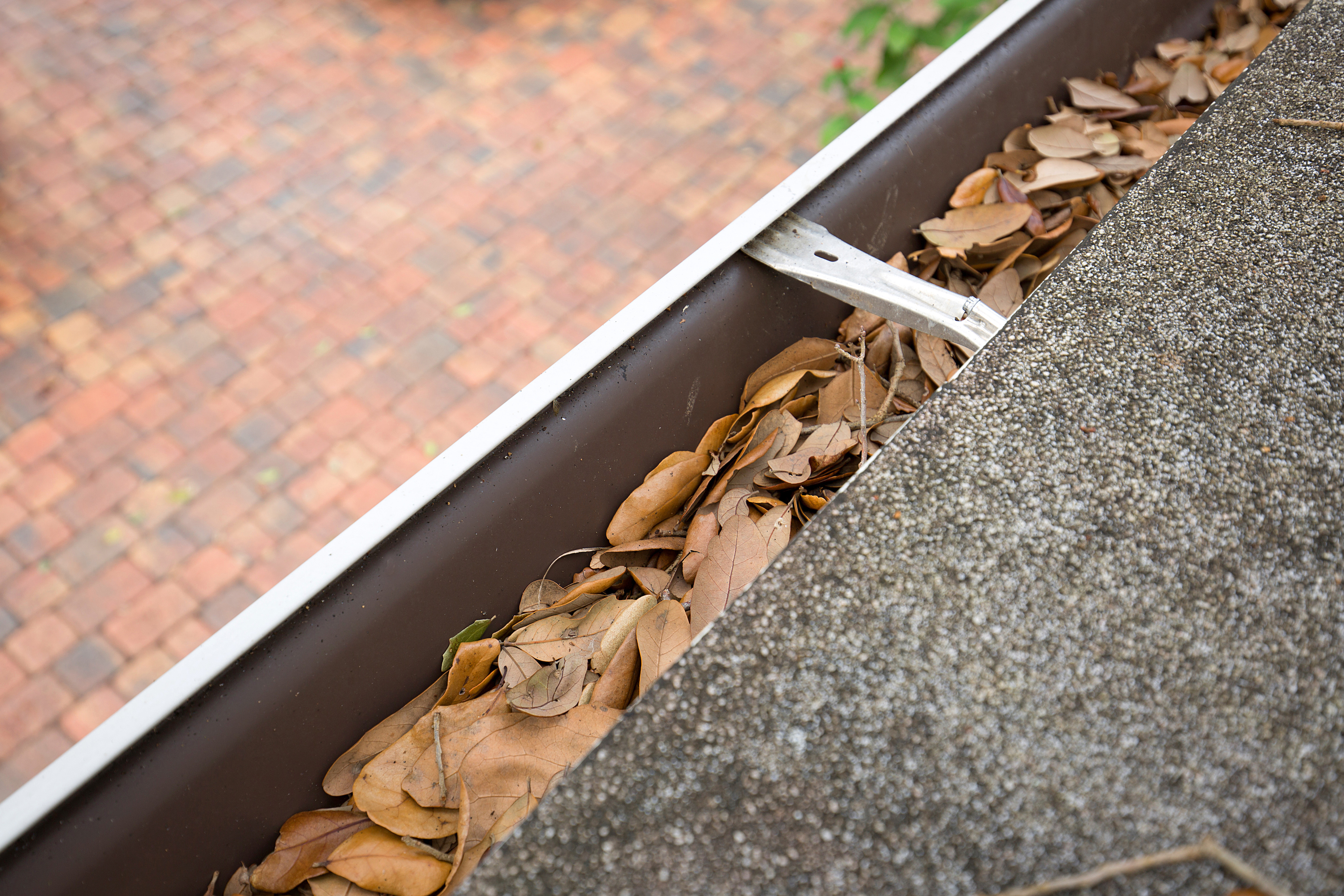
Clean Your Gutters
People say it is not fun to clean gutters. The debris can range from harmless leaves to bird poo. When cleaning this area, ensure that you have the right tools. While at it, be careful not to compromise the flow. Gutters should slide slightly towards the downspouts. This video can help you learn how to do it professionally. Also, collect the debris and dispose of it properly.
Ensure that the gutters and downspouts are free from any debris. The water should flow unimpeded. If winter precipitation finds clogged drains, the damage on your property could be significant. Any water in this area can easily reach the fascia or any other wooden material. Such water will cause rot and mildew.
Inspect Your HVAC System
Focus specifically on the heating system during this time. Whether you use the boiler or furnace, ensure that the whole system is in pristine condition. Clean the ducts and vents to remove any signs of debris. Ensure that the chimney, too, is clear. Replace old filters and tune up thermostats. Check the ignition system. On the overall, ensure that all movable parts are sufficiently oiled and fastened.
You can do furnace tune-up on your own. However, you will need a professional inspection and tune-up occasionally. Most property management companies include HVAC tune-ups in their services.
Check Your Insulation
Heating is an energy-sapping function. Efficient systems rely on proper insulation. Cracks on walls, drafts, holes, and gaps on windows and doors, and other air vents can compromise your insulation. Check for missing glazing and putty, loose windowpanes, and missing caulk. The windows should close tightly without leaving any spaces.
Check for spaces and gaps in the doors, too. You should also check the overall heating system insulation including the vents and duct-work.
Inspect Your Roof
Slight to heavy precipitation is normal during winter. A leaking roof can cause you nightmares if it goes unchecked. While checking your gutters, check for any missing or damaged shingles. Heavily corroded, warping or loose shingles can give in in the face of the slightest precipitation. Check for cracks, too.
If you have not inspected the attic and crawl spaces, this is the time to do that. Do so during the day when the sun is out. You have some repairs to do if you spot any illumination when inside the attic. A leaking roof can cause mold damage. It can also cause rotting of the roofing material especially wood.
Consider Tree Services
Tree trimming and removal is a continuous process and part of the property maintenance schedule. Trees that are close to the house need maintenance to prevent any form of damage. Any tree that is showing signs of decay, disease or death should not be near your home. It can easily fall on your property.
Winter weather can bring winds that can cause branches and twigs to fall on your roof. To be safe, keep everything trim and maintained.
Inspect Indoor Air Quality
Dust, mold, boron, carbon monoxide and such things can easily destroy the quality of air in your home. Some houses have an asbestos risk, too. With dust, you can do a thorough cleaning of your property. Proper cleaning eliminates dust mites and animal dander. Mold management relies heavily on prevention.
If you ensure that your property remains in pristine conditions, you will not need to worry about mold. Maintain the HVAC system to reduce the risk of smoke and carbon monoxide poisoning. If you seal off all cracks on the walls and the floor, boron will stay away.
Ensure Overall Property Maintenance
Everything revolves around regular property maintenance. Inspection and tune-ups for every part of your property are crucial. Since you cannot maintain everything at once, keep a schedule of things that you will maintain.
Some things such as HVAC systems require annual inspections, others such as roofs require 3-5 years. For example, if you inspect the roof, you have three years before doing that again. Therefore, you are going to schedule the next inspection three years from now, preferably in fall.
If you can't keep up with the demands of property management, especially if you have multiple rental properties, you can hire a professional property management company. The benefits far outweigh the costs.
Conclusion
Winter is a time that reminds you that some parts of your property are vulnerable. Keep precipitation out by ensuring that the roof and gutters are in good condition. Ensure that your insulation is perfect. Remove any other risks associated with indoor air quality, heating, and trees.

How to Provide your Tenants with an Excellent Renting Experience

Tenants, just like customers in any company, are an essential part of the business. Rentals have had a steady growth rate in the Monterey County. Property owners have also enjoyed a relatively low vacancy rate of about 4.5 percent. In such an environment, it pays to be a good property owner and provide them with an excellent renting experience. How can you do that? Well, read on to discover some of the things that tenants treasure.
Maintain All Amenities
Maintained units will lead to modest utility bills. Poorly serviced faucets and taps can escalate your water bill. A neglected HVAC system is likely to gallop more on fuel. Tenants want to keep their charges to the minimum. If you allow essential amenities such as ACs and water systems to go unattended, you will affect the life of the tenant financially.
He or she will have to pay more to stay in your premises. He may choose to go elsewhere. Ensure that all scheduled maintenance and inspections are on time. Failure to do that will lead to expensive replacements for you as an owner.
Ensure That Your Tenants Are Screened Fully
Screening is part of rental property management. Proper tenant screening has many advantages:
- Tenants can be confident that their neighbors are decent people
- You will reduce the turnover rate
- Reduce evictions
It benefits everyone to do proper screening of tenants. Poor screening methods will always complicate rental property management. Would you feel secure in a premise where the property manager evicts a tenant now and then? You will feel insecure. Worse still, you will feel as if you are in the wrong neighborhood.
Incorporate Regular Feedback
Customers today are exposed; they have channels where they can voice concerns about residential property management. In the past, unless someone was making a complaint through the housing court, he or she did not go further than uttering a few swearing words.
Today, a frustrated customer will leave a review of your premises online. A single review can change your units from good to mediocre. Make sure that the tenant can trust you with their feedback. If you incorporate input, they will share with you their concerns. You will have an opportunity to rectify where possible.
Incorporate Technology When It Comes to Payments
The digital landscape is making payments easy. Digital payment methods such as online and mobile payments can streamline rent payments. This will simplify the work of the property manager and the tenant. They can pay wherever they are. It is a common benefit in property management in Monterey County.
Know When to Repair and When to Replace
Two to three repairs for the same issue should be an alarm. The tenant will not be patient enough to keep asking for adjustments on the same item. It is up to you and the property manager to know when enough is enough. Two to three repairs within the same quarter tell you to replace some parts.
Have a Rental Policy
Before a tenant signs the tenancy agreement, ensure they have read and understood the rental policy documents. If you don't have one, you should get one ASAP. Ensure you have put things such as interactions between the property manager and the tenant, payment dates, pet policy, tenant-to-tenant communications, noise, drugs policy, and so on. Make it as detailed as possible. Take a side in the debate about family-friendly units, pet-friendly apartments, and so on.
Keep the Property Clean
Tenants will want an organized property owner who provides ways to dispose of trash and other effluents. Cleaning of staircases and communal areas is also mandatory if you want the unit to look appealing.
Dirty rental premises signify low returns on rental investment. The tenant will feel shortchanged if he or she has to deal with dirt and resultant smells inside a property they pay for. A dirty property is also a health risk.
Be Transparent
Any relationship depends on clear lines of communication. If you have a problem with something, let the tenant know on time. If you cannot make a certain repair on time, notify the tenant. Make promises that you can keep. If you plan to make renovations, unless you are sure about it, there is no need of telling tenants.
Ensure That Your Tenants Have a Qualified Property Manager
Most of the time you may not be there to manage your property. It means you will depend on a property manager to do most of the things within the premise. Having a qualified property manager can make a huge difference. This is because you will depend on him or her to:
- Market your unit
- Screen tenants
- Maintain tenancy paperwork
- Collect rent deposit and security
- Collect rent
- Handle tenant concerns
- Maintain the property
Well, if you don't invest in the best agent in the market, how will they do all these things in your absence? It is up to you to get a person who is personable and decisive. Sometimes evictions are necessary, will he or she handle it in a way that does not blow back to you? Tenants want someone they can rely on to maintain order in the facility. Ensure you give them that.
Conclusion
If you get a good property management company, you can minimize the trouble that comes with day-to-day rental management. However, not every property management in Monterey County company deserves your nod. Ensure that you painstakingly scrutinize them before hiring.
Coast & Valley Properties is a full-service property management company serving the entire Monterey County providing
unparalleled service of diverse rental properties, as well as homeowner association management.