

Mastering the Salinas & Monterey Rental Application Process
A successful tenancy in Salinas starts long before a lease is signed. It begins with a meticulously crafted rental application process. This isn't about downloading a generic form; for a high-value Monterey County property, it's about building a framework that attracts premium, qualified applicants and protects your investment from day one.
Building Your High-End Rental Application
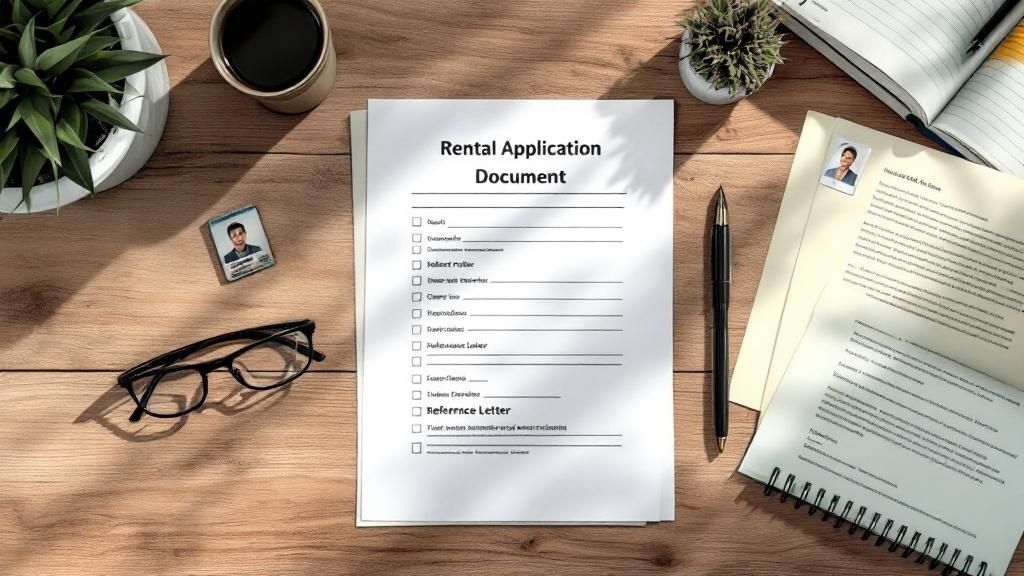
For investors with properties in exclusive areas like Pebble Beach or along the stunning Monterey Bay coast, think of your rental application as both your first line of defense and a powerful marketing tool.
A thorough, professional application immediately sets a concierge-level tone. It signals to prospective tenants that you are a serious property owner who values quality and diligence—naturally attracting applicants who share those values.
This initial document is your opportunity to gather all the critical information needed to make an informed decision in a structured, legal, and efficient manner. It’s a strategic tool designed to filter for responsible tenants who will treat your property with respect, preserving your asset and maximizing its ROI.
Structuring for Success and Compliance
A robust application goes far beyond a name and phone number. It must be strategically designed to collect verifiable information without violating California's strict fair housing laws. Every question must have a clear purpose tied directly to evaluating an applicant's ability to meet their lease obligations.
Here is an actionable checklist for your application form:
- Verifiable Employment and Income: Always request recent pay stubs and employer contact information. This is your primary method for confirming financial stability—a crucial factor in a high-cost-of-living area like Monterey County.
- Comprehensive Rental History: Gather details on previous residences, including direct landlord contact information. This provides invaluable, real-world insight into an applicant’s past behavior as a tenant.
- Personal and Professional References: These paint a more complete picture of an applicant's character and reliability, adding a human element to the financial data.
- Explicit Authorization for Screening: This is non-negotiable. Your application must include a clear, signed authorization giving you permission to run credit and background checks. Skipping this step undermines your entire due diligence process.
To ensure your application is both comprehensive and compliant for properties in Monterey County, from Salinas to Soledad, it’s wise to review state-specific rental application templates as a starting point.
To underscore why each piece of information is vital, let's break down the essential components you should be collecting. This isn't about filling boxes; it's about gathering actionable intelligence to make a sound business decision for your property.
Essential Rental Application Components
| Component | Purpose & Local Insight (Salinas & Monterey) |
|---|---|
| Personal Information | Collects full name, DOB, phone, and email. Critical for identity verification and running compliant background checks. |
| Residency History | Gathers addresses for the past 3-5 years and landlord contacts. In the competitive Monterey Bay market, a history of stable, long-term tenancy is a significant positive indicator. |
| Employment History | Asks for current and past employers, positions, and supervisor contacts. This confirms income and demonstrates employment stability. |
| Financial Information | Requests documented income sources (pay stubs, bank statements). Essential for verifying the 3x rent-to-income ratio standard common in California. |
| Screening Authorization | A signed release giving you explicit permission to run credit, background, and eviction history checks. This is a legal must-have to protect your interests. |
| References | Gathers personal and professional contacts. These provide character insights that financial data can't, offering a more holistic view. |
| Additional Occupants | Lists everyone who will live in the unit. Crucial for ensuring all adults are screened and named on the lease, a key step in protecting your property. |
Collecting these details upfront provides a 360-degree view of each applicant, allowing you to fairly and consistently evaluate everyone against your pre-set criteria. This is the key to finding a great tenant while remaining fully compliant with fair housing laws.
As a local expert with deep roots in Salinas, Amy Salmina of Coast & Valley views the application as the cornerstone of a successful tenancy. It's a reflection of the property's quality and our management standards. A meticulous application process immediately signals to desirable tenants that they are dealing with professionals.
Ultimately, a thoughtfully constructed application saves significant time and reduces risk. By framing your process with professionalism and clarity from the start, you create a system that consistently attracts the best possible tenants for your valuable Salinas Valley assets, from single-family homes in Soledad to luxury properties in Monterey.
Compliant Tenant Screening in Monterey County
For a property owner, your most powerful risk-management tool is a comprehensive tenant screening process. This is especially true for high-value properties in communities from Salinas to Pacific Grove. A great rental application process is more than a simple credit check; it's a practical art form where data is interpreted correctly while staying firmly within legal boundaries.
For owners of luxury or high-end properties, this step is non-negotiable. It protects your asset, secures consistent ROI, and provides the peace of mind that comes from a confident, well-informed decision. The global tenant screening services market hit $3.67 billion in 2023 and is projected to nearly double by 2032, proving how critical rigorous screening is for mitigating financial risk.
Beyond the Automated Report
Many automated systems can pull a credit score and run a basic background check, but they often miss the nuanced details that only a seasoned professional can spot. We've seen it right here in the Salinas Valley—a report might flag a minor, long-resolved issue but completely overlook a recent pattern of late payments buried in the fine print.
A crucial piece of this puzzle is conducting thorough tenant credit checks. This isn’t just about the three-digit score. It’s about digging into the full report to analyze debt-to-income ratios, payment histories, and any collections or judgments that could signal future financial distress.
A screening report is a story, not just a score. Our job at Coast & Valley is to read between the lines to understand the full narrative of a potential tenant, protecting our clients from risks an algorithm might overlook. Our expertise is rooted in years of local experience, giving us an edge in interpreting these reports within the context of the Monterey County market.
Verification and Legal Guardrails
Personally verifying employment and rental history separates professional management from amateur efforts. You cannot simply take the application at face value. An action-oriented step is to make a quick phone call to an HR department or a previous landlord to confirm income, job stability, and whether the applicant has a history of on-time payments and property care.
This entire journey, from an applicant's first search to the final decision, leads to this critical screening point.
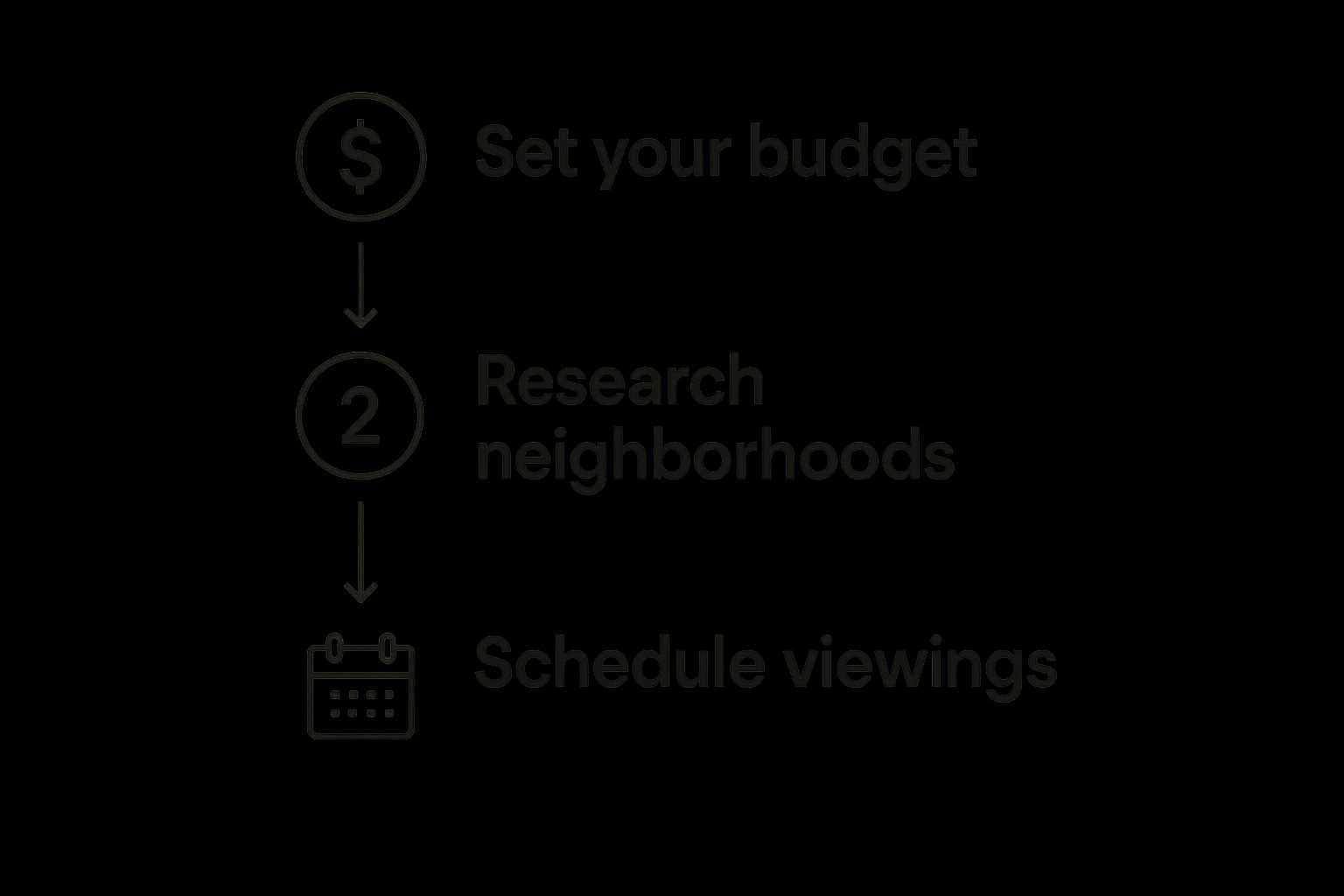
As you can see, every step funnels toward this moment where thorough, compliant screening is paramount.
It’s also crucial to navigate California’s unique legal landscape with precision. The Fair Chance Act, for instance, imposes strict rules on how criminal histories can be considered. A single misstep here can expose you to significant legal and financial liability. For any property owner in Monterey County, from King City to Carmel, understanding these regulations is non-negotiable.
By implementing a rigorous, hands-on screening protocol, you are no longer just filling a vacancy—you are making a strategic placement. This approach ensures you find a tenant who not only pays on time but also respects your property as if it were their own.
Defining Your Rental Criteria for Fair Selection

Before you list your property, the most important work of the rental application process should already be done. By establishing clear, written rental criteria before you begin accepting applications, you create an objective framework for every decision. This simple, proactive step is your best tool for ensuring efficiency and full compliance with fair housing laws.
This isn't about being restrictive; it's about being consistent. Having a defined policy that you provide to every applicant is your shield against potential discrimination claims and a clear signal of your professionalism. It immediately tells prospective tenants that everyone is evaluated against the same high standards, building trust from the very first interaction.
Establishing Objective Financial Thresholds
When managing high-value properties in Monterey County, confirming an applicant’s financial stability is paramount. Your criteria must reflect the region's cost of living without unfairly excluding qualified candidates.
First, establish your income-to-rent ratio. The industry standard is typically 3x the monthly rent in gross income. This is a solid benchmark that provides confidence a tenant can comfortably afford their new home in Salinas or Monterey. Document this clearly in your written policy.
Next, decide on a minimum credit score. While there is no single magic number, a score of 680 or higher is often a reasonable starting point for premium rentals in our area. However, the score is just one part of the story. A well-crafted policy allows for a holistic review, weighing strong income and impeccable rental history against a lower score that might be due to explainable factors, like past medical debt.
Defining Acceptable Rental and Background History
A positive rental history is one of the strongest predictors of a great tenant. Your criteria should explicitly state what you're looking for, leaving no room for ambiguity.
Actionable Checklist for Rental History Criteria:
- No Prior Evictions: For most investors, this is a non-negotiable deal-breaker.
- Positive Landlord References: Require contact information for at least two previous landlords. Your policy should state that you will call to verify payment history, property care, and adherence to lease terms.
- Verifiable History: Specify the length of rental history required, such as a minimum of two years of continuous, positive residency.
"The most effective rental criteria are both firm and fair. They empower you to make swift, data-driven decisions while treating every applicant with equal respect—the hallmark of professional management. This is the standard we uphold for all our clients' properties." - Amy Salmina, Coast & Valley Properties
This framework is the foundation of a strong, legally sound application process. You can see how we put these standards into practice with our professional tenant screening services, which are fine-tuned for the unique rental market here in Salinas and the greater Monterey Bay.
Accommodating the Local Monterey County Economy
A truly expert policy also accounts for the diverse economic landscape of our region. From the agricultural fields of South County towns like Gonzales and King City to the bustling tech and hospitality sectors on the Monterey Peninsula, not all income comes from a traditional W-2.
Your criteria should be flexible enough to fairly evaluate applicants with non-traditional income. This may include seasonal agricultural workers, freelance creatives, or hospitality professionals whose income relies on variable tips.
Specify what alternative documentation you will accept, such as:
- Bank statements from the previous 6-12 months to show consistent deposits and healthy cash flow.
- Tax returns from the last two years.
- Signed offer letters or employment contracts for individuals relocating for a new job.
By building this flexibility directly into your written policy, you expand your property's appeal to a wider pool of qualified applicants. It also demonstrates a deep, practical understanding of the local market—an expert approach central to how we at Coast & Valley protect and enhance the value of your investment.
Using Technology for a Better Applicant Experience
In a competitive rental market like Monterey County's, a slow, paper-based application process can be a major disadvantage. Today’s top-tier applicants, especially those seeking quality homes from Salinas to Monterey, expect a seamless, digital-first experience. Adopting modern tools isn't just about efficiency; it's about delivering a professional, high-touch process that reflects the quality of your property and saves you valuable time.
The single most impactful improvement is offering a secure online portal for applications. This eliminates clunky paperwork, reduces errors, and allows prospective tenants to apply at their convenience. For a busy professional or someone relocating to Monterey County, that ease of use can be the deciding factor in choosing your property.
"Our philosophy is simple: the application experience should be as high-quality as the property itself. By providing a secure, intuitive digital process, we signal professionalism and respect for an applicant's time, attracting a higher caliber of tenant from the outset. This focus on trust and convenience is what busy investors expect."
The Power of a Digital-First Approach
Adopting technology is about more than just speed; it enhances security and transparency for everyone. Secure document uploads protect sensitive personal information far more effectively than paper forms or unencrypted emails. Demonstrating a commitment to data security is a massive trust-builder for discerning applicants.
A digital system also creates a clear, auditable trail of all communications. Every interaction is logged and professional, creating a transparent framework that protects both you and the applicant. For owners looking to streamline initial inquiries, a good real estate chatbot guide can be a fantastic resource for providing instant, 24/7 responses.
Meeting Modern Renter Expectations
This preference for digital is backed by data. A recent industry report found that a staggering 88% of renters prefer to handle at least some of their rental application online. This is especially true for the tech-savvy professionals who comprise a large portion of the rental market in the Monterey Bay Area.
This trend makes your next steps clear. The best applicants are actively seeking:
- Online Application Forms: Simple, intuitive forms that function perfectly on both mobile and desktop.
- Secure Document Uploads: A safe, easy way to submit pay stubs, IDs, and other required documents.
- Integrated Communication Tools: A central portal to ask questions and receive updates on their application status.
When you offer these tools, you are speaking directly to the organized, professional tenants who are ideal for high-end properties in communities like Soledad and King City.
Implementing these systems doesn't have to be a massive undertaking. At Coast & Valley, we've integrated these technologies into our core property management services. To see the difference it makes, learn how you can go digital with a Salinas property management company. It's about saving you time while providing top-tier applicants the efficient, secure, and professional rental experience they expect.
Managing Applicant Communication and Decisions
How you manage the final stages of the application review speaks volumes about your operation. For owners of premium properties in sought-after areas like the Monterey Bay, this is where you solidify your reputation for fairness, professionalism, and respect. It boils down to managing expectations with clear communication and handling both approvals and rejections with care and legal precision.
This level of communication builds trust, even when delivering disappointing news. It reinforces the high standard of service that discerning owners and top-tier tenants expect, protecting you from legal exposure and enhancing your standing in communities from Salinas to Soledad.
Approvals and Next Steps
Once you've identified your ideal tenant, the communication must be clear, welcoming, and direct. Your approval notice should officially welcome them and immediately outline the exact steps needed to secure the property.
Here's an actionable checklist for your approval message:
- A formal offer of tenancy contingent on signing the lease.
- The total move-in costs, with an itemized breakdown of the first month's rent and security deposit, plus clear payment instructions.
- A firm deadline for signing the lease and submitting funds. A 24-48 hour timeframe is a professional standard that keeps the process moving.
Acting swiftly and clearly prevents confusion and creates a smooth transition into the lease-signing phase. It also starts the landlord-tenant relationship on a positive note, which is vital for long-term success and can make all the difference in whether you earn a lease renewal from your tenants in the future.
Handling Denials and Adverse Action Notices
Rejecting an applicant is a delicate process that demands strict adherence to legal protocols. If your decision was based—even in part—on information from a tenant screening report (like a credit or criminal background check), you are legally required by the Fair Credit Reporting Act (FCRA) to send an adverse action notice.
Delivering bad news is never easy, but doing it with professionalism and full legal compliance is non-negotiable for a serious investor. An adverse action notice is not a courtesy; it's a legal requirement that protects your investment from potential discrimination claims and demonstrates your commitment to fair, transparent processes.
This formal notice is mandatory and must include:
- The name and contact information of the screening company that provided the report.
- A statement clarifying that the screening company did not make the rental decision and cannot explain why it was made.
- A clear notice of the applicant's right to obtain a free copy of their report within 60 days and to dispute any inaccurate information.
Following this process is absolutely critical for compliance. It also demonstrates a fair and professional approach, which is vital in today's rental market. With a recent survey showing 85% of landlords increased rents last year, the pressure on applicants is high. At Coast & Valley, we handle these communications meticulously, ensuring every step is both professional and compliant, reinforcing the trust our clients place in us.
Common Questions About the Rental Application Process

Even the most seasoned property investors in Monterey County have questions about the rental application process. Navigating the web of local and state laws while trying to make a smart decision for your high-end property can be complex.
We regularly field questions from our clients across Salinas, Monterey, and surrounding South County towns. Here are the most common ones, with direct, actionable answers.
How Much Can I Charge for a Rental Application Fee in California?
This is a critical question. In California, the application fee is not arbitrary. The amount is legally capped and adjusted annually for inflation.
The fee is intended to cover your actual out-of-pocket costs for screening, such as credit reports and background checks. It is not a profit center. It is essential to check with the California Department of Consumer Affairs for the current maximum fee. If an applicant requests an itemized receipt of your costs, you are legally required to provide it. Mismanaging this, even unintentionally, can lead to significant legal exposure.
At Coast & Valley, we handle the entire application fee process to ensure full compliance and transparency for our property owners. This protects your investment from claims of unfair business practices and reinforces a professional, trustworthy standard from the very first interaction.
What If a Great Applicant Has a Low Credit Score?
A credit score is just one piece of a larger puzzle. The number itself doesn't tell the whole story, so it's important to look deeper. Was the low score due to a one-time medical event, or does it reflect a consistent pattern of missed payments? This is where your pre-defined, written rental criteria become an invaluable tool.
In a competitive market like Monterey County, you might find an excellent applicant with a lower-than-ideal score but who also has a rock-solid income, glowing references from past landlords, and sufficient cash reserves. It’s about a holistic risk assessment. Our team, with its deep local experience, excels at this type of comprehensive review, ensuring you don’t overlook a great tenant because of a single data point. We detail this approach in our guide on how to choose the right tenant for your rental property.
How Long Should the Rental Application Process Take?
For high-end properties, speed and efficiency are paramount. The best applicants will not wait around. A smooth, well-managed application process should take between 24 and 72 hours from the moment a complete application is received.
Common causes for delay include:
- Incomplete information submitted by the applicant.
- Slow response times from the applicant's current employer or previous landlords.
- Reliance on manual, paper-based processes.
Implementing a digital system is a game-changer that dramatically accelerates the timeline. It's also a best practice to inform applicants of your expected timeline to manage their expectations and demonstrate respect for their time. A swift, organized process helps you secure the best tenants for properties in places like Pacific Grove or Gonzales before they accept another offer. Our system is built for exactly that—delivering fast, professional results that protect your ROI.
Navigating the complexities of the rental application process is just one way Coast and Valley Properties protects your investment and maximizes your peace of mind. If you’re ready for a concierge-level management experience for your Monterey County property, contact us to evaluate your property or explore our full-service solutions. https://coastandvalleypm.com

A Property Owner's Guide to the California Property Management Contract
Your property, whether a luxury home in Pebble Beach or a multi-family building in Salinas, is a significant asset. When you entrust its care to a professional, the property management contract california becomes the single most important document protecting your investment. It’s the essential foundation for a transparent, profitable relationship between you and your property manager.
The Blueprint for Protecting Your Monterey County Investment
For discerning property owners and investors in the Monterey Bay Area, a property management agreement is far more than a formality. It’s the architectural plan for your investment’s future. A builder would never start construction without a detailed blueprint, and you should never hand over the keys without a solid, carefully drafted contract. This document provides absolute clarity, mitigates your financial and legal risks, and ensures your goals are perfectly aligned with your manager’s day-to-day actions.
A weak or generic contract, often found through a quick online search, can leave your high-value asset dangerously exposed. These one-size-fits-all templates almost never account for California's intricate legal landscape or the unique market dynamics here in Monterey County—from coastal regulations in Pacific Grove to rental trends in South County towns like Soledad or King City.
More Than a Document—It’s Your Peace of Mind
A professionally prepared contract acts as a critical shield. It defines every component of the relationship to prevent misunderstandings and protect your return on investment. It's the key to achieving the peace of mind that comes from knowing your property is being managed with precision and care, freeing you to focus on your other professional and personal priorities.
Here’s an actionable checklist of protections a strong contract provides:
- Defining Authority: It clearly outlines what your manager can and cannot do regarding repairs, tenant screening, and financial handling. This prevents unauthorized decisions and spending.
- Ensuring Compliance: It guarantees that all activities adhere to California’s complex laws, such as security deposit handling and fair housing regulations. This step alone shields you from potentially costly legal trouble.
- Aligning Goals: The agreement translates your financial objectives into a clear list of duties, ensuring your manager is focused on maximizing your return on investment and preserving your asset’s value.
Ultimately, the contract solidifies the trust you place in your management partner. It is the written promise of professionalism and diligence that owners of high-end properties expect and deserve. To understand what to expect from a top-tier firm, explore our overview of professional property management best practices.
This legal shield is just one part of a comprehensive wealth preservation strategy. For a complete plan to protect your entire financial portfolio, investigating options like asset protection insurance is a prudent step toward securing your financial future. As we delve into the essential clauses of a California contract, remember: this document is your primary tool for safeguarding your investment for the long term.
Key Clauses Every California Property Management Contract Needs
Think of your property management contract as the very blueprint for your relationship with a management firm. It’s what turns conversations and trust into a clear, legally binding set of promises. For savvy investors in Monterey County, getting these clauses right isn't just about legal protection; it’s about making sure your high-value asset, whether it's a classic Pacific Grove home or a new apartment building in Soledad, is managed exactly to your standards.

A robust contract is like providing a pilot with a detailed flight plan before a long journey. It must cover every potential scenario to ensure you land safely and successfully. If clauses are vague or missing, you leave the door open for ambiguity, which can quickly lead to expensive disputes and erode your investment's value.
Core Components of a Rock-Solid Agreement
Every property management contract in California must be built on a foundation of non-negotiable clauses. These are the pillars supporting the professional relationship, protecting both you and your manager. Here’s a breakdown of what you need to look for.
- Parties to the Agreement: While it sounds simple, this is absolutely critical. The contract must name the legal owner(s) of the property and the full legal name and license number of the property management company. This step ensures accountability is tied to the correct, licensed entity.
- Property Description: The agreement must specify the address and provide a clear description of the property or properties being managed. If you own multiple properties from Salinas to King City, this prevents any confusion about the scope of your manager’s responsibilities.
- Contract Term and Renewal: This clause establishes the timeline for the agreement, typically one year. It must also be crystal clear about what happens at the end of the term—does it renew automatically? What is the required notice period if either party decides not to renew?
Actionable Insight for Owners: The strength of a contract lies in its clarity. If a clause feels confusing or open to interpretation, consider it a red flag. A true professional, like our team at Coast & Valley led by Amy Salmina, prioritizes complete transparency and will walk you through every term until you are confident and comfortable.
Defining Authority and Responsibilities
This is where the contract gets into the day-to-day operational details. These clauses empower your manager to act effectively on your behalf while ensuring you retain ultimate control.
Manager’s Authority and Responsibilities
This is typically the most detailed section of the contract, and for good reason. It must list every service the manager will perform. Vagueness is your enemy. You want to see specifics on:
- Marketing and advertising the property
- Screening and selecting tenants
- Collecting rent and other payments
- Handling maintenance requests and repairs
- Performing regular property inspections
- Initiating eviction proceedings if necessary
A vital detail within this section is the spending limit. This sets a specific dollar amount (e.g., $500) a manager can spend on a single repair without your direct approval. This figure should be appropriate for your property; a luxury Pebble Beach estate will naturally have different maintenance costs than a rental in Gonzales.
Owner’s Obligations
The contract also outlines your responsibilities. Typically, this includes:
- Maintaining adequate property insurance.
- Establishing and funding a reserve account for repairs.
- Providing all necessary documents and property history.
- Paying the mortgage, property taxes, and any HOA dues (unless you have contracted the manager to handle these).
Before you sign, every California property management contract deserves a thorough review. Using a comprehensive contract review checklist is a practical step to ensure you understand every clause and have covered all your bases.
Essential Legal and Financial Protections
Finally, a solid contract must include clauses that protect you from liability and guarantee financial transparency. These are non-negotiable, especially when safeguarding a valuable asset in California’s challenging legal environment.
Indemnification and Insurance
An indemnification clause, often called a "hold harmless" clause, shields you from liability if your property manager is negligent. It also protects the manager from blame for issues they did not cause. The contract must also specify the types and minimum amounts of insurance both parties must carry, such as general liability for you and errors and omissions coverage for the manager.
Fair Housing Compliance
Your agreement must explicitly state that the property manager will adhere to all federal, state, and local fair housing laws. This is a crucial protection, as a single violation can lead to severe penalties. Partnering with a local firm that understands the nuances of California's fair housing laws is essential for mitigating this risk.
The U.S. property management market is projected to reach nearly $98.88 billion by 2029. This growth underscores how professional and complex the industry has become. Given that most renters (61%) prefer annual leases, the stability of your contract directly impacts the stability of your cash flow and, ultimately, your ROI.
By ensuring these key clauses are present and clearly defined, you are laying the groundwork for a successful, stress-free partnership. For a deeper dive, explore our guide to property management in California, which offers more context for Monterey County investors.
Understanding Property Management Fee Structures
To maximize your real estate investment's return, you need a crystal-clear understanding of the financial terms in your property management contract california. For owners of high-end properties in Monterey County, evaluating a fee schedule isn't about finding the cheapest option; it’s about identifying the best value and protecting your asset.
A manager offering a low percentage may be omitting crucial services. True value comes from a comprehensive fee that prevents costly vacancies, helps you avoid legal pitfalls, and preserves the condition of your property, whether it's a luxury estate in Pebble Beach or a multi-unit building in Salinas. It’s the difference between a simple rent collector and a strategic partner dedicated to enhancing your investment’s long-term health and your peace of mind.
The image below provides a snapshot of key legal and professional benchmarks that define the property management landscape in California.
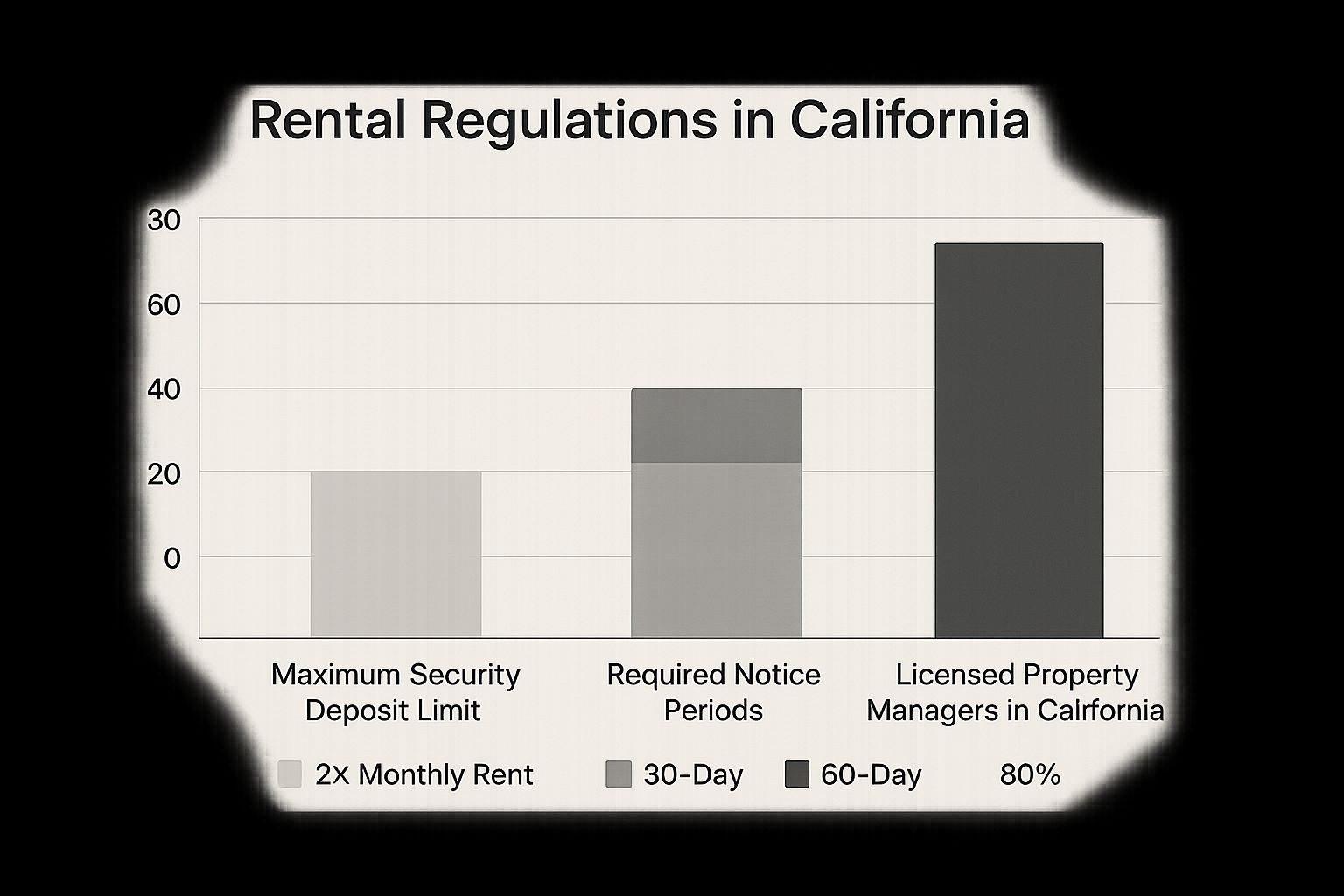
This data highlights the strict legal framework—from security deposit limits to required notice periods—that a professional manager must navigate. It reinforces why partnering with a licensed, knowledgeable expert is critical to your success.
Deconstructing Common Management Fees
When reviewing a contract, you will encounter several types of fees. Understanding their purpose allows you to make an informed decision. Here’s a practical breakdown of what to expect in the Monterey Bay Area.
- Monthly Management Fee: This is the core fee for all day-to-day operations. It's typically structured as either a percentage of the monthly rent collected or a flat fee. The percentage model is most common, as it aligns the manager’s incentives with your goal of keeping the property occupied with a paying tenant.
- Tenant Placement or Leasing Fee: This is a one-time charge for the comprehensive work of finding and screening a high-quality tenant. It covers professional marketing, property showings, in-depth background and credit checks, and lease preparation. This fee is essential for avoiding the significant financial and logistical headaches that come with a poor tenant choice.
Typical Property Management Fee Structures in California
To provide a clearer picture, here’s a table outlining common fees. These are typical ranges for California but can vary based on the property type, location (e.g., Salinas vs. Carmel), and the level of service provided.
| Fee Type | Common Range in California | What It Covers |
|---|---|---|
| Monthly Management Fee | 7% - 10% of collected rent | Ongoing services like rent collection, tenant communication, and property inspections. |
| Tenant Placement Fee | 50% - 100% of first month's rent | Marketing, showings, tenant screening, and lease preparation to fill a vacancy. |
| Lease Renewal Fee | $150 - $300 flat fee | Negotiating and preparing a new lease for an existing, high-quality tenant. |
| Maintenance Markup | 2% - 10% of vendor invoice | Administrative overhead for coordinating and overseeing repairs and maintenance. |
| Eviction Service Fee | $600 - $1,200 plus court costs | Handling the legal paperwork and court appearances required for an eviction. |
These figures demonstrate the importance of looking beyond cost to consider the quality and scope of services you receive.
Additional Fees to Anticipate
Beyond these core charges, a quality property management contract california will transparently list other potential costs. A reputable manager will discuss these upfront to ensure there are no surprises on your owner statement.
- Lease Renewal Fee: A small fee for handling the negotiation and paperwork to extend a lease with a great tenant. This incentivizes the manager to retain good tenants, which is more cost-effective for you than finding new ones.
- Maintenance Markup: Some firms add a small percentage to vendor invoices to cover the administrative work of scheduling, managing, and verifying repairs. This ensures the job is done correctly and efficiently, saving you time.
- Eviction Service Fee: If an eviction becomes unavoidable, this fee covers the manager’s time for filing documents and appearing in court. It’s a service you hope never to need but is vital for protecting your property and your ROI.
The fee structure in your contract should reflect a partnership. When evaluating proposals for your Monterey County property, look beyond the numbers to the value being delivered. A comprehensive, transparent fee schedule from a trusted firm like Coast & Valley is an investment in professionalism, compliance, and your own peace of mind.
How to Navigate Termination Clauses and Exit Strategies
While every owner hopes for a long, successful partnership, a savvy investor knows you must have a clear exit strategy built into your property management contract. This is the purpose of the termination clause. It is one of the most critical yet frequently overlooked sections of the agreement—your parachute if the relationship no longer serves your investment goals. Clarifying this section is not just a good idea; it's a non-negotiable for protecting your asset.

Imagine this scenario: you're unhappy with how your property in a South County town like King City or Gonzales is being managed, only to discover you’re locked in for another year with no reasonable way out. A vague or punitive termination clause can cause significant frustration, trapping you in an underperforming partnership that jeopardizes your ROI. This is precisely why a professional, owner-focused contract is so important.
Terminating With Cause vs. Without Cause
To protect your interests, you must first understand the two primary ways a contract can be terminated. This distinction shapes the entire process, from the timeline to the potential costs of parting ways.
- Termination "With Cause": This applies when one party fails to uphold their end of the agreement. For a property manager, this could range from negligence and illegal acts to simply not performing the duties specified in the contract. A solid agreement will clearly define what constitutes a breach and outline the steps for termination, which usually involves written notice and a brief period for the manager to "cure" or fix the issue.
- Termination "Without Cause": This is your no-fault exit strategy. It allows either party to end the agreement for any reason. For a busy professional, this flexibility is invaluable. The key detail here is the notice period, which should always be a reasonable timeframe, typically 30 to 60 days.
Pro Tip for Monterey County Owners: Always insist on a straightforward "without cause" termination clause with a fair notice period. This ensures you are never trapped in a partnership that isn't working for your high-value asset, whether it's a coastal home in Monterey or a multi-family building in Salinas.
An Actionable Checklist for Your Exit Strategy
When you're reviewing a contract, zoom in on the fine print in the termination section. A concierge-level firm like Coast & Valley will always ensure this process is transparent and fair, focusing on a smooth transition instead of punitive fees.
Your termination clause should meticulously spell out the following details:
- Notice Period: The exact number of days required for written notice (e.g., 30, 60, or 90 days) for a "without cause" termination.
- Early Termination Fees: Be wary of excessive fees. A reasonable cost to cover the manager's expenses if you exit early is fair, but it should never be a penalty designed to trap you. A fair fee might be a flat rate or equivalent to one month's management fee.
- Transition of Records: The contract must legally require the manager to promptly hand over all essential documents. This includes tenant leases, payment histories, maintenance records, and keys.
- Transfer of Funds: The process for transferring tenant security deposits and any reserve funds held in trust must be clearly defined to ensure compliance with California law.
A messy termination can become entangled with tenant issues. For instance, if a manager's poor service leads to a situation where an eviction is necessary, you need a seamless handover of all documentation. Knowing how to evict a tenant in California is already complex; your contract must ensure you have the records to proceed legally and efficiently.
Meeting California Legal and Compliance Mandates
Navigating California's labyrinth of landlord-tenant laws is not a task for the uninitiated. For property owners in the Monterey Bay Area, a fully compliant management contract is not just a best practice—it’s your primary shield against significant legal and financial liability. A single misstep can trigger costly penalties, which is why state and local compliance must be the absolute bedrock of your investment strategy.
Your property management contract should serve as a written guarantee that your manager has the legal expertise to operate correctly. The agreement must explicitly state that every action taken will adhere to the complex rules set by the California Department of Real Estate (DRE) and other governing bodies. This is where partnering with a deeply knowledgeable local expert, with roots in communities like Salinas, demonstrates its true value.
Trust Fund Handling and Security Deposits
Of all the areas of California property law, the handling of tenant funds—especially security deposits—is one of the most heavily regulated. The DRE has extremely strict rules to safeguard these funds and prevent commingling with a manager's operating accounts. Your contract must state, in no uncertain terms, that all deposits will be held in a separate, compliant trust account.
This isn't a minor bookkeeping detail; it's a fundamental measure of a manager's professionalism and integrity. The regulations have recently tightened. As of July 1, 2024, Assembly Bill 12 limits security deposits to one month's rent for most residential properties. A professionally drafted contract will reflect this new cap and detail the non-negotiable, 21-day deadline for returning a deposit or providing an itemized list of deductions upon tenant move-out.
Expert Insight: "A professionally managed trust account is non-negotiable. It’s a clear indicator that your manager operates with the transparency and integrity required to protect both your asset and your reputation as a landlord." - Amy Salmina, Owner/Broker, Coast & Valley Properties
Navigating Statewide Rent Control and Eviction Laws
The Tenant Protection Act of 2019 (AB 1482) fundamentally reshaped the rental landscape for landlords across the state. Your contract must demonstrate that your manager has mastered its rules. This law introduced statewide rent caps and "just-cause" eviction requirements that cover many, but not all, rental properties. An experienced manager serving the Salinas Valley knows exactly which properties are exempt and which are not.
Your agreement should authorize your manager to act in full compliance with these laws, protecting you from wrongful eviction lawsuits or disputes over illegal rent increases. For example, if a "no-fault" eviction is required for substantial renovations on a property in Pacific Grove, the contract must empower your manager to serve the proper notices and pay any required relocation assistance. Getting this wrong can be incredibly costly, which highlights the importance of understanding the complex California landlord-tenant laws.
The Unwavering Commitment to Fair Housing
Adherence to federal, state, and local fair housing laws is not optional—it is an absolute requirement. Your contract needs a clause that binds your property manager to comply with all anti-discrimination laws. This protects you from liability by ensuring that marketing, tenant screening, and day-to-day management are conducted fairly and equitably. In California, this includes protecting an applicant's source of income, meaning your manager must have a compliant process for evaluating tenants who use government rental assistance.
Make no mistake, the property management industry in California is a significant economic force, with projected revenues of $18.2 billion in 2024 and over 50,790 businesses statewide. This dynamic market underscores the high stakes and the level of professionalism required to remain compliant. When you partner with a firm that integrates these legal mandates directly into your contract, you're not just hiring a rent collector. You are engaging a compliance expert dedicated to protecting your investment in the Monterey Bay Area and beyond.
Frequently Asked Questions About California Contracts

When navigating a property management contract in California, it's natural for questions to arise, especially for owners of high-value properties in Monterey County. We frequently address these with investors and homeowners in Salinas, Pacific Grove, and the surrounding communities. Below, we've provided clear, actionable answers to some of the most common questions to give you the confidence to move forward.
Does a California Property Manager Need a Real Estate License?
Yes, absolutely. This is a non-negotiable legal requirement in California. Any individual or company managing rental properties for others in exchange for compensation must be a licensed real estate broker or a salesperson working under the direct supervision of a broker. This is a critical safeguard for you as a property owner.
This license signifies accountability to the California Department of Real Estate (DRE). It is your assurance that the manager has met stringent educational requirements and is held to a high professional standard, including the rigorous rules for handling trust funds like tenant security deposits. Never partner with an unlicensed manager—it exposes you to immense financial and legal risk.
What Happens if I Disagree with My Manager Over a Repair Charge?
A professionally written contract will have a clear process for this mapped out. You should never be blindsided by a surprise invoice for a major repair on your property, whether it's in Soledad or Pebble Beach.
Here’s the actionable process a solid contract should include:
- Spending Limit: The agreement must specify a dollar amount (for example, $500) that the manager can spend on a single repair without your authorization. Anything over that limit requires your prior approval. This empowers you to maintain control over significant expenses.
- Dispute Protocol: If a disagreement arises, the contract should outline the next steps. This typically begins with a written notice of the dispute, followed by a period of good-faith negotiation to find a resolution before escalating the matter.
Always review this section to ensure the spending limit and resolution process align with your expectations.
Can I Use a Standard Online Contract Template?
Relying on a generic, one-size-fits-all contract template from the internet is one of the riskiest decisions a property owner can make. For investors with high-value assets in a market as nuanced as Monterey County, these documents are insufficient and potentially dangerous.
Key Risk: Boilerplate templates are not designed for California's unique and complex legal environment. They often fail to address crucial state laws like the Tenant Protection Act (AB 1482) or specific local ordinances in cities like Salinas or Monterey, leaving you exposed.
A custom contract drafted by a local expert like Coast & Valley Properties is tailored to your specific property, your investment goals, and our local market. It ensures you are fully compliant and protected in ways a generic document cannot. The agreement should also clearly define responsibilities; learn more by exploring the differences between landlord responsibilities vs tenant duties in our guide. Achieving this clarity from the outset is essential for a smooth, profitable, and stress-free partnership.
Protecting your investment demands a partnership built on local expertise and absolute trust. The team at Coast & Valley Properties provides the concierge-level service and legal diligence necessary to manage your Monterey County property with precision and care.
Contact us today to schedule a comprehensive evaluation of your property management needs.

Customized Property Management: A Concierge Approach for Monterey County Investors
Think of commissioning a custom-built yacht versus buying one off the lot. Both will float, but only one is engineered to your exact specifications, anticipating every need for your specific journey. Customized property management operates on the same principle. It moves beyond standard checklists to become a strategic partnership, designed from the ground up to protect your unique property and achieve your financial goals in the Monterey County market.

Moving Beyond One-Size-Fits-All Management
Standard property management offers a fixed menu of services. While functional for many properties, this approach often falls short for owners of high-value or unique real estate here in Monterey County. A one-size-fits-all plan simply can’t address the distinct needs of a coastal estate in Pebble Beach versus a multi-unit investment property in Salinas.
Customized property management, also known as bespoke management, rejects this rigid model. Instead, it starts with a deep dive into your specific objectives, your property's unique characteristics, and your personal communication preferences. It’s a collaborative process where the management plan is built around you and your asset, not the other way around.
To see the difference, it helps to put the two approaches side-by-side.
Standard vs. Bespoke Property Management: An At-a-Glance Comparison
The table below breaks down the fundamental differences between a generic service and a fully bespoke strategy from a firm like Coast & Valley. It shows how a tailored, concierge-level approach elevates every aspect of management, from communication and reporting to the core philosophy of care.
| Feature | Standard Management | Bespoke Management (The Coast & Valley Way) |
|---|---|---|
| Service Model | Fixed menu of services; one-size-fits-all. | Flexible and adaptable; services built around owner goals. |
| Communication | Often reactive; standardized updates. | Proactive and personalized; regular, in-depth communication. |
| Financial Reporting | Generic monthly statements. | Detailed, customized reports aligned with your financial objectives. |
| Vendor Selection | Uses a general pool of contractors. | Curates specialized, vetted vendors suited to the property's unique needs. |
| Strategy | Focuses on basic operational tasks. | Develops a long-term strategy for asset protection and ROI enhancement. |
| Relationship | Transactional; manager-to-client. | Collaborative partnership; a trusted advisor relationship. |
As you can see, the bespoke model is less about completing tasks and more about providing strategic oversight for your valuable asset, delivering both peace of mind and enhanced returns.
What True Customization Looks Like in Action
For discerning owners and serious investors in the Monterey Bay Area, a tailored strategy means every aspect of management is aligned with their end goals. This isn't just about picking add-on services; it’s about constructing a comprehensive plan that handles every nuance of your asset.
Here are a few real-world examples of how this plays out for our clients:
- For a remote investor with a luxury condo in Monterey: The plan is laser-focused on total peace of mind. This means proactive video updates, highly detailed digital financial reports accessible 24/7, and a trusted local team—led by our founder Amy Salmina—that acts as their eyes and ears on the ground.
- For the owner of a historic Carmel home: The strategy centers on meticulous property preservation. We utilize specialized vendors from our curated network who understand the unique challenges of coastal weather, redwood siding, and historic building materials.
- For an agricultural landholder near Soledad or King City: Management addresses unique factors like water rights, specific land use regulations, and the seasonal maintenance cycles of the Salinas Valley, ensuring compliance and maximizing the land's value.
This level of personalization requires a profound understanding of both the property itself and the local market. It’s about anticipating challenges and seeing opportunities before they arise.
A bespoke approach ensures your property is managed not just efficiently, but intelligently. It transforms property management from a necessary expense into a strategic tool for asset growth and protection.
This proactive, concierge-level service is the core of what sets customized property management apart. It's a recognition that premier properties demand more than a standard checklist—they require a dedicated, expert partner like Coast & Valley Properties, whose deep local roots and commitment to excellence ensure your investment is handled with the care it deserves.
The Building Blocks of a Tailored Management Plan
A genuinely customized management plan is built from scratch, focusing on the specific needs of your Monterey County property and your financial goals. It's constructed on key pillars, each carefully shaped to deliver superior results and total peace of mind for serious investors and homeowners.
Think of it as the architectural blueprint for your investment’s success. Just as a luxury home needs a solid foundation, a tailored plan rests on three unshakable pillars: precision financial stewardship, proactive maintenance, and curated tenant relations. Each is designed to work in concert to protect and grow your asset.
This infographic breaks down how these core services form the foundation of a complete management strategy.
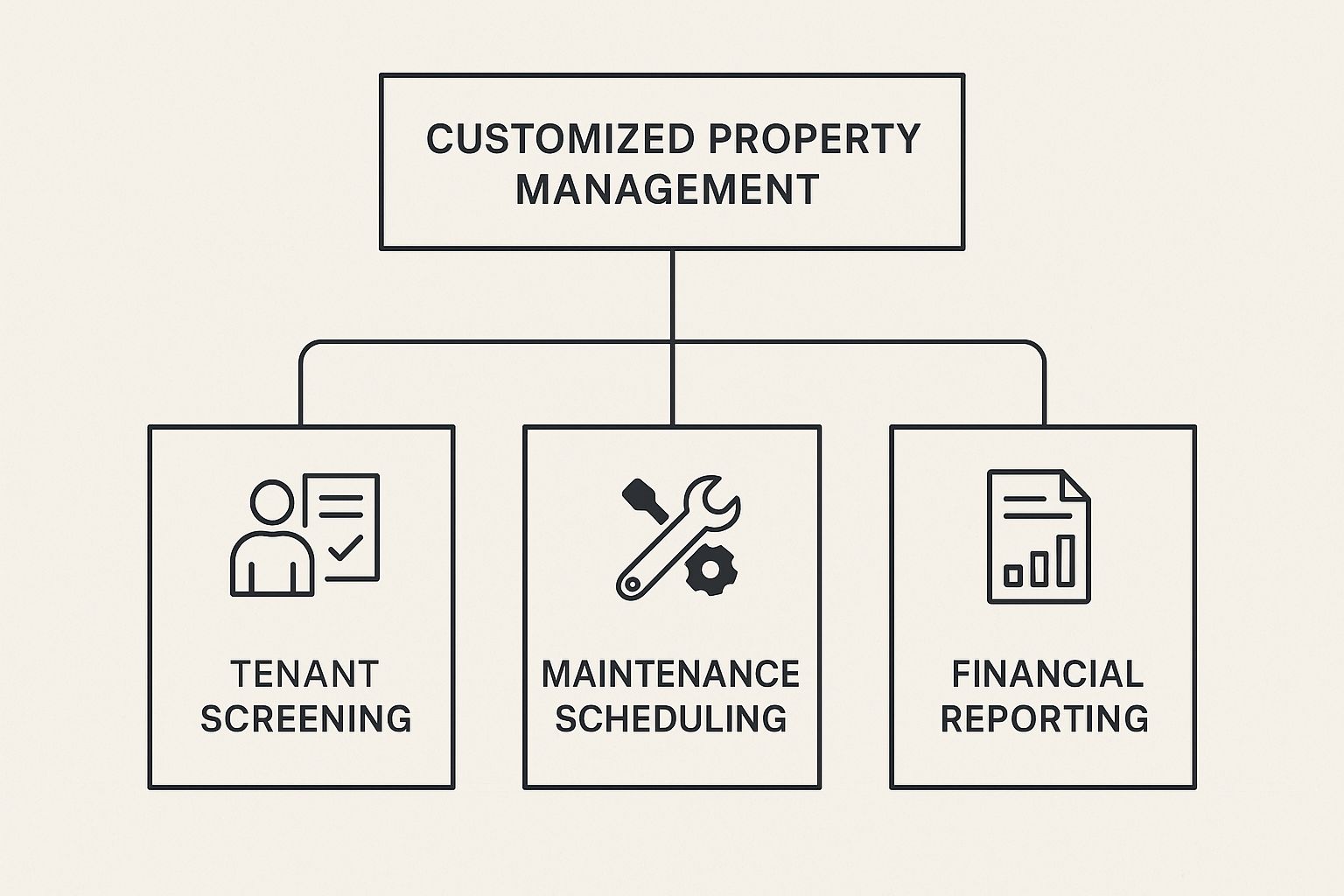
As you can see, every core function—from finding the right tenant to managing the books—is a distinct but connected piece of the overall customized strategy, designed to maximize your ROI.
Customized Financial Stewardship
For anyone who owns a high-value property, financial management must be more than just collecting rent and paying bills. True customized financial stewardship means actively managing your property as the major financial asset it is. It’s a strategic approach focused on long-term wealth creation and maximizing the value of your investment.
This means you receive detailed, easy-to-read financial statements configured to your preferences. Whether you prefer a high-level overview or a line-by-line breakdown, the reporting is adjusted for you. This concierge-level service includes:
- Strategic Budgeting: We create forward-looking budgets that plan for capital improvements and account for shifts in the local Salinas and Monterey markets.
- ROI Analysis: We regularly analyze performance data to identify opportunities to boost revenue or optimize costs, ensuring your asset is working for you.
- Long-Term Forecasting: You receive insights to help you make informed decisions about your property’s future, whether that involves refinancing, upgrading, or selling.
Precision Maintenance Protocols
Maintenance isn't a one-size-fits-all job, especially in Monterey County. The salt-laced air in Pacific Grove requires a different approach to exterior care than a modern condo in downtown Salinas. A historic adobe in Monterey demands specialized knowledge a standard handyman lacks.
Precision maintenance protocols are developed based on your property’s unique character, age, and location.
A proactive maintenance schedule doesn’t just fix problems—it prevents them. This is the cornerstone of preserving the value and integrity of a premier property, saving you from costly emergency repairs and protecting your investment.
For properties that may sit vacant, a key part of any tailored plan involves robust strategies for securing vacant property. This foresight is a huge differentiator, ensuring your asset is protected 24/7.
Curated Tenant Relations
The final pillar is a sophisticated approach to curated tenant relations. It begins with a meticulous tenant selection process, designed to attract and retain high-quality individuals who will respect your property's value. The goal is a perfect match, not just filling a vacancy.
This process is always aligned with your goals and desired level of involvement. A communication plan is established from day one, giving you the exact updates you want, when you want them—whether you live down the street in Salinas or are managing your investment from across the globe.
By focusing on these essential building blocks, a customized property management plan provides a solid, strategic framework for success. For a deeper dive into how we put this into practice, explore the property management best practices we apply to every asset we manage.
Why Monterey County's Premier Properties Demand a Bespoke Approach
Managing a premier property in Monterey County is a different ballgame. The incredible diversity of our region, from the foggy coastline of Carmel to the sunny inland valleys of South County, means a generic checklist isn't just ineffective—it's a liability. For a significant asset, customized property management isn't a luxury; it's a necessity.

A cookie-cutter plan can't account for the unique microclimates and specific maintenance needs across the county. A stunning coastal home in the Carmel Highlands requires a constant, proactive defense against sea salt corrosion. That’s a world away from the needs of an agricultural-adjacent estate near Soledad or King City, which demands different strategies for pest control, water management, and land stewardship.
This is where a hands-on, bespoke approach rooted in deep local expertise becomes critical.
Addressing The Unique Challenges Of Our Region
Standard property management often glosses over the environmental factors that impact property value and longevity in the Monterey Bay Area. A truly tailored plan is built from the ground up with these local challenges in mind.
Consider these local examples:
- Pacific Grove & Pebble Beach: Homes here are constantly exposed to salt-laden air, which aggressively corrodes wood, metal, and paint. A bespoke maintenance schedule includes regular, targeted inspections and preventative treatments for these specific elements.
- Salinas Valley Estates: Properties in our agricultural heartland, from Salinas to Gonzales or Greenfield, face unique issues related to dust, seasonal pests, and landscaping demands that can affect wells and septic systems.
- Historic Monterey Adobes: Managing a historic property requires a curated network of specialized artisans who understand traditional materials and strict preservation guidelines—a resource generic firms lack.
For discerning owners, property management is not just about rent collection. It is about preserving the legacy and financial vitality of an irreplaceable Monterey County asset through intelligent, proactive care.
This granular, location-specific expertise is the bedrock of true customized property management. It ensures your property gets the precise care it needs to thrive.
Protecting Privacy And Maximizing Returns
For high-net-worth owners and serious investors, concerns go beyond routine maintenance. A bespoke service is designed to handle these higher-level priorities with the professionalism and absolute discretion they demand. This customized approach can also extend to sophisticated marketing, like the modern techniques covered in these real estate drone photography insights.
A tailored strategy directly addresses:
- Enhanced Privacy and Security: For clients who value their discretion, we develop strict communication protocols and vendor management procedures that protect their privacy at every step.
- Sophisticated Financial Oversight: We go beyond basic statements, providing in-depth ROI analysis and strategic advice informed by the local market to help you maximize your return.
- Concierge-Level Service: Busy professionals and out-of-area owners need a partner who can act as their trusted representative. From coordinating with designers to overseeing major capital improvements, a bespoke service manages it all seamlessly.
Ultimately, a custom plan acknowledges that your property is a significant part of your portfolio. Our goal is to provide complete peace of mind, ensuring it’s managed with the sophistication you apply to your other investments. Explore more of the benefits of hiring a professional property management company in our detailed guide.
Using Technology To Enhance Personalized Service
In premium property management, technology shouldn't replace the human touch—it should enhance it. For owners of unique properties across Monterey County, from Salinas to Pebble Beach, the right tech delivers unparalleled transparency, security, and control. It’s the engine running quietly in the background, powering a seamless, concierge-level experience that keeps you informed, not overwhelmed.
The goal of customized property management is to blend modern convenience with white-glove service. This isn't about automated replies or generic newsletters. It's about using sophisticated tools to provide better, faster, and more insightful support, all leading to your complete peace of mind.
This tech-forward, high-touch approach is essential for managing high-value portfolios where every detail matters.
Your Personalized Owner Portal
The heart of our tech-forward approach is a secure, 24/7 online owner portal. Think of it as your personal command center, customized to show you exactly what you care about, whenever you want to see it.
A truly customized portal is built for clarity and simplicity, giving you a direct line to:
- Financial Snapshots: Review detailed financial statements, track income and expenses in real-time, and approve payments from anywhere in the world.
- Maintenance Oversight: View maintenance requests, see photos of completed work, and approve estimates with total transparency.
- Secure Document Access: Access lease agreements, inspection reports, and other vital documents from one secure, organized repository.
By putting this information at your fingertips, we eliminate back-and-forth emails, freeing our time to focus on what really matters: providing strategic advice and proactively managing your investment. It’s a major reason so many savvy landlords are making the switch, and you can explore more on why landlords should go digital.
Proactive Systems for Property Preservation
Modern software does more than report what happened; it helps us anticipate what's next. We use powerful systems to schedule and track preventive maintenance, flagging potential issues before they become expensive emergencies. This is critical for protecting assets in our diverse local microclimates, whether it’s servicing an HVAC system for the South County heat or addressing moisture intrusion on the coast.
Technology transforms property management from a reactive service into a proactive partnership. It provides the data and tools needed to preserve your asset's value and maximize its long-term potential.
This proactive mindset extends to property security. The evolution of integrated security systems, from basic alarms to today’s smart home platforms, has revolutionized property protection. For owners in exclusive areas like Carmel or for those who travel frequently, these systems offer an essential layer of security and control, managed seamlessly by your property partner.
When used correctly, technology empowers a more personal, responsive, and effective style of management.
How to Choose Your Bespoke Property Management Partner
Selecting the right management firm is one of the most critical decisions for your investment's future. This choice dictates the long-term health and profitability of your asset. When seeking true customized property management in Monterey County, you aren't just hiring a vendor—you're vetting a strategic partner.

The process must go deeper than ticking boxes on a services checklist. You need to investigate their philosophy, adaptability, and local expertise. Forget the sales pitch. Here’s an actionable guide to identifying a firm with a proven track record, genuine flexibility, and a commitment to partnership.
Questions That Reveal True Customization
To gauge a firm's ability to offer a bespoke service for your Monterey County property, you must ask questions that demand specific, real-world examples. Move beyond "What are your fees?" and challenge them with scenarios that test their problem-solving and personalization claims.
Actionable Checklist: Key Interview Questions
- On Communication: "Describe your communication protocol for an owner who travels internationally. How do you keep them informed and get approvals for time-sensitive issues?"
- On Maintenance: "Show me an example of how you tailored a maintenance plan for a property with unique challenges, like a coastal home in Pacific Grove facing sea spray and fog."
- On Concierge Service: "Walk me through a time you handled a complex, non-standard request for a high-net-worth client that went beyond typical management duties."
- On Financials: "How do you customize financial reports to match an investor's specific ROI metrics and long-term financial goals?"
Their answers—or hesitation—will tell you everything. A true partner will have detailed processes and success stories. A standard provider will offer vague, generalized responses. For more ideas, our list of the top 5 questions to ask when choosing a property management company is a great starting point.
The Non-Negotiable Value of Deep Local Roots
For a high-value asset in this region, deep local expertise is non-negotiable. A manager without on-the-ground knowledge of Salinas, Monterey, and the surrounding communities cannot offer a truly customized service. They won't have relationships with the specialized vendors needed for a historic adobe or the nuanced understanding of microclimates impacting a Carmel Highlands estate.
A partner with local roots, like Coast & Valley’s founder Amy Salmina, brings a network and an intuitive understanding that can't be learned from a manual. This ingrained knowledge is the foundation of an effective, customized strategy.
This local insight translates directly into better asset protection and higher returns. It’s the difference between knowing which roofer to call after a winter storm in Pebble Beach and understanding the unique rental market trends in South County towns like Soledad or King City.
Evaluating Flexibility and a Partnership Mindset
At its core, customized property management is about building a relationship founded on trust. When a firm truly tailors its services, it creates a powerful partnership.
Look for a firm that:
- Listens More Than It Talks: A real partner starts by asking detailed questions about your property, goals, and communication style.
- Demonstrates Flexibility: They should be able to adapt their procedures to fit your requirements, not force you into their rigid box.
- Prioritizes the Relationship: The focus should be on a long-term partnership dedicated to maximizing your investment’s success and giving you complete peace of mind.
By focusing on these criteria—asking the right questions, insisting on local expertise, and evaluating their commitment to partnership—you can confidently find a firm that will deliver the exceptional, customized service your premier property deserves.
Common Questions About Bespoke Property Management
Making the switch to a bespoke management model is a significant decision. It’s natural to have questions. To provide clarity, we’ve answered the most common concerns we hear from discerning property owners in Salinas, Monterey, and across the county. Our goal is to be transparent, demonstrating the tangible value of this specialized, concierge-level service.
This isn't just about hiring a manager; it's about forming a strategic partnership. Let's tackle your questions head-on.
Is Customized Management More Expensive Than Standard Services?
While bespoke management fees may appear higher than a one-size-fits-all plan, it's crucial to look at total value and long-term ROI, not just the upfront cost. Low-cost providers often operate on volume, which can lead to reactive service, repair delays, and longer vacancies. These "hidden" costs quickly erode profits.
In contrast, customized property management focuses on proactive asset preservation and maximizing income. This approach saves you money over time by:
- Preventing Costly Repairs: A detailed maintenance plan for your Carmel coastal home will catch issues like salt-air corrosion before they become major structural work.
- Securing High-Quality Tenants: Our curated tenant placement process leads to less turnover, reduced wear and tear, and more consistent rental income.
- Optimizing ROI: We provide strategic advice on rent pricing and capital improvements, backed by deep knowledge of the Monterey Bay market, to boost your property's financial performance.
Think of it as an investment in your asset's long-term health and profitability, not just an operational expense.
How Much Involvement Is Required from Me?
The answer is simple: as much or as little as you want. That is the essence of a bespoke service. Your involvement is customized to fit your lifestyle and preferences.
Before our partnership begins, we establish a detailed communication plan that works for you.
- For the Hands-On Owner: We can provide detailed weekly updates, seek your approval on minor decisions, and collaborate on strategy.
- For the Busy Professional or Remote Investor: We become your trusted representative on the ground. You'll receive concise, high-level monthly reports and will only be contacted for major, pre-agreed-upon decisions.
Our secure owner portal provides 24/7 access to all information, offering complete oversight without demanding your constant attention. The entire system is built for your convenience and peace of mind.
What Happens If a Difficult Tenant Situation Arises?
Dealing with a problematic tenant is one of the most stressful aspects of property ownership. A bespoke management partner is your best line of defense, handling these situations with professionalism and strict adherence to California law. Our meticulous tenant relations process significantly reduces the likelihood of issues from the start.
If a problem does escalate, we manage the entire process:
- Direct Communication: Handling all tenant interactions to de-escalate conflict.
- Legal Compliance: Ensuring every notice and action follows local and state regulations to the letter, protecting you from liability.
- Resolution Management: If necessary, we expertly manage the eviction process from start to finish.
Navigating this complex legal area is a key benefit of professional management. We take on the stress so you don't have to. For more on the process, read our guide on how to evict a tenant in California.
A key function of a bespoke partner is to serve as a buffer, professionally managing challenges and protecting you from the day-to-day operational headaches of property ownership. This allows you to focus on the rewards of your investment, not the risks.
Can You Handle My Unique or High-Maintenance Property?
Absolutely. This is precisely where a bespoke model shines and a standard one fails. Whether you own a historic adobe in Monterey, a sprawling estate in the Salinas Valley, or a luxury beachfront home in Pebble Beach, our services are designed for properties that demand specialized care.
We begin with an exhaustive property analysis to understand its unique character. From there, we build a tailored maintenance plan and engage our network of vetted, specialized vendors who are experts in their craft. We don’t use generic handymen; we have long-standing relationships with artisans and technicians who understand the specific demands of Monterey County’s premier properties.
This meticulous approach ensures your one-of-a-kind asset isn't just maintained—it's preserved. We celebrate your property's individuality and protect it with expert care.
Ready to experience a higher standard of care for your Monterey County property? The team at Coast and Valley Properties is here to build a customized management plan that aligns perfectly with your goals. Contact us today for a personalized consultation and discover the peace of mind that comes with a true strategic partnership.

A Property Management Software Comparison for Monterey County Investors
When selecting a technology partner for your Monterey County properties, the conversation must go deeper than a simple feature checklist. The real difference is between generic software that merely logs rent payments and a strategic platform that actively protects your high-value assets and maximizes your return. For discerning investors with properties in exclusive areas like Pebble Beach or Carmel, making the right choice is fundamental to achieving both ROI growth and peace of mind.
Choosing The Right Tech Partner For Your Monterey County Portfolio

Managing a high-end portfolio, whether in the Salinas Valley or along the Monterey Bay coast, presents unique challenges and opportunities. This is not a standard rental market; our region demands a concierge level of service, absolute transparency, and flawless operational execution. Your technology is not just an administrative tool—it is a direct reflection of the professional care your investment receives.
That's why our property management software comparison is built around what truly matters to a high-end property owner. We’re seeking a system that can deliver on the promise of trust, ROI, and asset preservation.
Defining "Best" For The Monterey Investor
For an investor in our local market, the "best" software must deliver on three non-negotiable pillars of premium property management:
- Financial Precision and Transparency: You require more than a simple ledger. True value lies in institutional-grade reporting that provides a crystal-clear, real-time view of your property's financial health, from a duplex in Salinas to a luxury home in Pacific Grove.
- Secure, Convenient Access: As a busy professional or out-of-area owner, you need 24/7 access to your property’s performance data. A secure, user-friendly owner portal is essential for reviewing statements, tracking maintenance, and maintaining open lines of communication.
- Proactive Asset Protection: The right technology facilitates preventative maintenance and creates an ironclad digital record of every action taken. This digital paper trail is crucial for ensuring compliance with local regulations in Monterey and South County towns like Soledad or King City.
At Coast & Valley, we believe technology should empower owners, not complicate their lives. Our entire approach, grounded in Amy Salmina's fourth-generation local expertise, is about pairing powerful software with professional, hands-on oversight to save you time and protect your investment.
The Growing Importance Of A Tech-Forward Approach
The property management software market is experiencing significant growth. Valued at USD 25.35 billion in 2024, it’s projected to reach USD 78.65 billion by 2037, driven by the demand for automation and efficiency. This boom highlights a critical shift in real estate: investors now expect—and need—sophisticated digital tools to stay competitive.
This comparison will cut through the noise. We'll analyze leading platforms based on how well they meet the rigorous standards of Monterey County's high-end market. Understanding these property management best practices is the first step toward a prudent decision. It's also vital to understand how COI management software benefits property managers to ensure your liability is fully covered.
A Comparative Analysis of Leading Software Platforms
Choosing a property management software is not just a technical decision; it's a strategic one that directly impacts your property's performance and your peace of mind. For an investor with a high-value asset in Monterey County, the right platform must deliver precision, transparency, and top-tier operational support. It needs to handle the specific demands of our local market—whether that’s a luxury vacation rental in Carmel or a multi-unit property in Salinas.
To provide you with a real, practical property management software comparison, we will look past the marketing hype. We’ll evaluate three of the industry's leading platforms—AppFolio, Buildium, and DoorLoop—through the lens of a discerning Monterey investor, focusing on how their features align with the professional, high-touch service model that Coast & Valley embodies.
AppFolio: The All-In-One Powerhouse
AppFolio has built a solid reputation for its comprehensive, all-in-one approach. It’s designed for property managers who demand a single, powerful system to handle everything from accounting and marketing to maintenance and communications. For a Monterey Bay Area portfolio, its real strength lies in its robust, institutional-grade features that provide incredible clarity and control.
- Financial Reporting: AppFolio excels at generating detailed, customizable owner statements and performance reports, which is critical for investors who require a clear, real-time view of their ROI.
- User Experience: The platform offers a clean, modern interface for both owners and tenants, essential for delivering the concierge-level experience expected in upscale communities like Pacific Grove.
- Maintenance Coordination: Its maintenance workflow is remarkably efficient, allowing for seamless communication between tenants, managers, and our trusted local vendors—vital for preserving property value.
However, this power comes with a corresponding price. AppFolio's pricing and minimum portfolio requirements often place it beyond the reach of smaller, independent landlords. It performs best when utilized by professional management firms committed to leveraging its full suite of tools. For a deeper dive, our guide on why property management software is essential offers more context.
Buildium: A Scalable and Flexible Solution
Buildium occupies a sweet spot, offering a powerful balance of comprehensive features and scalability. This makes it a strong contender for managers overseeing diverse portfolios. It can capably manage a single-family home in a South County town like Gonzales and scale up to handle larger residential associations without missing a beat.
One of its key differentiators is its flexibility. The platform allows for more customization in certain areas, enabling us to tailor its functions to the specific needs of a particular property—an invaluable trait in a varied market like ours.
Expert Insight: Buildium's robust tenant communication and maintenance tracking tools are invaluable for creating an airtight digital record. This documentation is critical for compliance with California's stringent landlord-tenant laws, protecting your investment from potential legal challenges.
Its accounting features are strong, and its ecosystem of integrations allows managers to connect other specialized tools as needed. While a very complete package, its user interface can sometimes present a steeper learning curve compared to some competitors.
DoorLoop: Accessibility and Modern Design
DoorLoop is a newer player but has quickly gained traction with its user-friendly design and accessible pricing. It's often a favorite for owners and managers migrating from spreadsheets or simpler software who want an intuitive, all-in-one solution that just works.
The platform covers all the essentials, and it covers them well:
- Online Rent Collection: Secure and straightforward for tenants.
- Maintenance Requests: An easy-to-use portal for submitting and tracking work orders.
- Accounting: Solid financial tools for tracking income and expenses without complexity.
While DoorLoop is an excellent tool for getting organized, it may lack some of the advanced reporting and deep customization features a serious investor with a complex Monterey Bay Area portfolio requires. It’s a fantastic starting point, but you might outgrow it as your portfolio expands. For a broader market view, checking the latest Top Property Management Software Comparison reports is always a good idea.
Software Feature Breakdown for High-End Property Management
To put things in perspective, let's compare these platforms side-by-side, focusing on what matters most to an investor in our local market. The table below breaks down how each one stacks up in key areas.
| Feature Category | AppFolio | Buildium | DoorLoop | Ideal Use Case for Monterey Investors |
|---|---|---|---|---|
| Accounting & Reporting | Excellent. Institutional-grade, highly customizable reports. | Very Good. Strong core accounting with good reporting features. | Good. Solid, user-friendly tools for basic financial tracking. | An investor needing detailed, granular ROI and performance metrics for high-value assets in Carmel or Pebble Beach. |
| Tenant & Owner Portals | Excellent. Polished, modern, and easy to navigate. | Very Good. Functional and comprehensive, but slightly less modern feel. | Excellent. Extremely intuitive and clean design. | Delivering a seamless, high-tech experience for tenants in luxury rentals to reinforce a premium brand. |
| Maintenance Management | Excellent. Advanced, automated workflows. | Very Good. Flexible system with strong tracking and communication. | Good. Simple, effective request and tracking system. | Managing a portfolio with high maintenance demands and a need for pristine vendor coordination across Salinas and Monterey. |
| Scalability & Pricing | Professional Tier. Best for large portfolios; higher cost and minimums. | Flexible Tier. Scales well from small to large portfolios; tiered pricing. | Accessible Tier. Great for smaller portfolios; lower entry cost. | An owner who is just starting out or has a few properties in South County and needs a cost-effective solution. |
| Ease of Use | Good. Powerful but can have a learning curve. | Good. Can be complex due to its flexibility. | Excellent. Very intuitive and easy to learn. | An investor who values simplicity and wants to get up and running quickly without extensive training. |
Ultimately, this comparison shows that while all three are strong platforms, the "best" choice depends on your specific needs, portfolio size, and the level of detail you require.
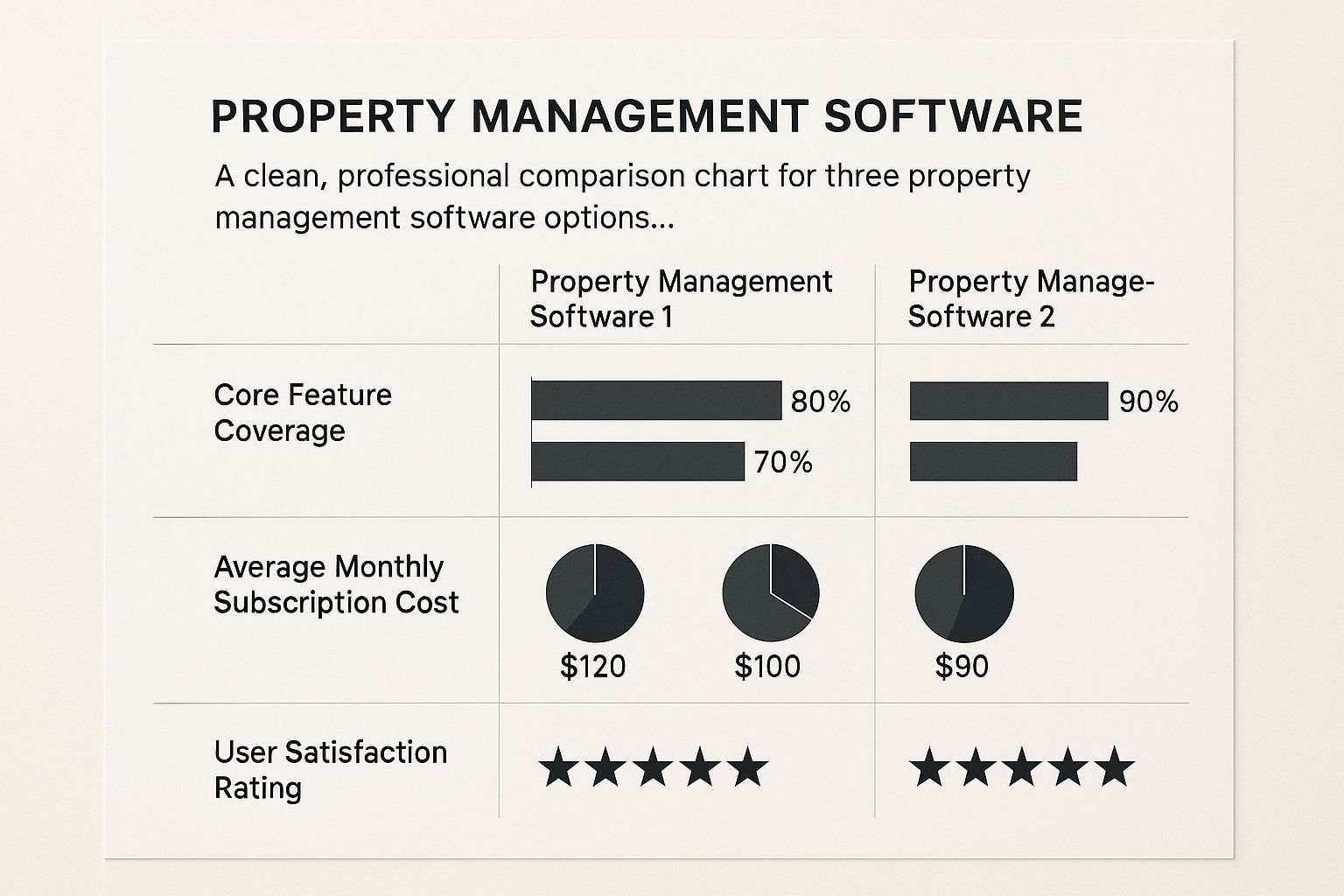
As the graphic illustrates, making the right choice is about matching the software’s strengths to your investment goals. When the right platform is paired with true local expertise from a firm like Coast & Valley, it becomes a powerful asset that protects and grows your investment for years to come.
Financial Reporting And ROI Tracking For Serious Investors

For any serious real estate investor, the ultimate test of property management software is financial reporting. If you're managing a high-value portfolio in Monterey County, generic tools that just track rent are insufficient. You need a system that delivers sharp financial intelligence, turning raw data into a clear picture of your investment's performance.
This is where top-tier software, guided by an expert property manager, demonstrates its value. It’s not just about logging a maintenance bill for a rental in Soledad; it’s about categorizing that expense correctly, seeing its direct impact on your net operating income, and forecasting future capital needs. A professional-grade platform provides the backbone for this level of detailed analysis, reinforcing trust and transparency.
Distinguishing Granular Reporting From Basic Ledgers
The gap between basic and professional-grade financial tools is immense. A high-end investor in the Monterey Bay Area needs more than a simple summary of income and expenses. What you really need are detailed, customizable reports that offer deep insights.
Here is a checklist of what that looks like in practice:
- [✔] Customized Owner Statements: Easy-to-read reports providing a complete financial snapshot, including income, itemized expenses, and management fees.
- [✔] Capital Expenditure Tracking: Properly tracking large-scale improvements—like a new roof on a Pacific Grove property—separate from routine maintenance is critical for accurate tax reporting and ROI calculations.
- [✔] Profit & Loss Statements by Property: If you own multiple properties, from King City to Carmel, getting a P&L for each individual asset is non-negotiable for making smart, strategic decisions.
- [✔] Rent Roll and Delinquency Reports: Real-time tracking of who has paid, who is late, and the overall rental income status of your portfolio.
At Coast & Valley, we see financial reporting as a cornerstone of trust. Led by Amy Salmina, our team leverages software that provides clients with a precise, real-time understanding of how their assets are performing, reinforcing confidence in their investment strategy.
Transforming Data Into Actionable ROI Insights
Ultimately, the goal of great financial reporting is to clearly show your return on investment. The best software makes this happen by centralizing all financial data, allowing a professional manager to analyze trends and offer strategic advice. For a wider view, exploring dedicated real estate investment insights can be incredibly helpful.
Here's a real-world example: by analyzing historical maintenance costs on a multi-unit building in Monterey, we can identify patterns that suggest a proactive system upgrade is more cost-effective than continuing with expensive, reactive repairs. This data-driven approach, powered by solid software, directly protects your bottom line and enhances long-term asset value.
A Look At Platform Capabilities
When you evaluate AppFolio, Buildium, and DoorLoop on financial reporting, they serve different investor needs.
- AppFolio: The gold standard for owners who need institutional-grade, highly customizable reporting. It excels at delivering detailed performance metrics and portfolio-level analytics, ideal for high-end assets.
- Buildium: Offers very strong core accounting features and powerful reporting. It provides the flexibility needed to manage diverse assets from Salinas to Carmel.
- DoorLoop: Provides solid, user-friendly accounting tools perfect for more straightforward financial tracking. It's an excellent choice for owners who prioritize clarity without overwhelming complexity.
The best property management software provides the financial clarity needed for confident decision-making. When managed by a professional team, these tools transform complex numbers into a clear narrative of your investment's success. For a closer look, see our overview of essential financial reports for a Salinas investment property.
Security and Compliance Features You Cannot Overlook
Managing high-value properties in California means navigating a complex and ever-changing web of regulations. For a serious investor, overlooking compliance isn't just a mistake—it's a significant financial risk. This is where a serious property management software comparison becomes essential, moving beyond convenience to the tools that truly protect your assets.
In places like Salinas and greater Monterey County, local ordinances demand meticulous record-keeping. Every tenant communication, maintenance request, and vendor interaction must be documented. The right software transforms this burden into a seamless, automated process, building an unshakeable, auditable trail. Think of it as a digital fortress—your first line of defense against disputes and liability.
The Foundation of Trust: Digital Security
For busy professionals and out-of-state owners, entrusting sensitive financial and personal data requires absolute confidence. The security protocols of any software platform are non-negotiable. When we vet systems, we scrutinize their data protection measures.
Our security checklist includes:
- Data Encryption Standards: All data, at rest and in transit, must be secured with bank-level encryption. This covers everything from owner bank details to tenant applications.
- Secure Cloud Infrastructure: The platform must be hosted on a reliable and secure cloud environment like AWS, with redundant backups and robust disaster recovery plans.
- Regular Security Audits: We prioritize software providers who engage third-party experts to regularly audit their systems, proactively identifying and fixing vulnerabilities.
For Coast & Valley, technology is an extension of our commitment to trust and professionalism. A secure platform isn't just a feature; it's the bedrock of our client relationships, ensuring your information is as protected as your physical property.
Automating Compliance and Mitigating Risk
Beyond data security, the true power of top-tier software is its ability to enforce compliance automatically. This is a game-changer when managing properties across a diverse region, from the agricultural hubs of South County like Gonzales and King City to the coastal towns of Monterey and Pacific Grove. The best platforms build compliance directly into their workflows.
For example, they track lease renewal deadlines, store legally required disclosures, and manage security deposit accounting according to strict California civil codes. This systematic approach reduces human error and ensures every step, from screening a new tenant to their final move-out, adheres to the letter of the law. This need for automated risk management is fueling industry growth, with the global market trends driving software development showing a strong focus on compliance tools.
The right software acts as your digital compliance officer, providing the structure and documentation needed to operate efficiently and with the confidence that your investment is protected.
Streamlining Operations from Tenant Screening to Maintenance
Operational efficiency is the engine that drives profitability in a high-value real estate portfolio. For a serious investor, this means more than just collecting rent on time. It’s about creating a seamless, professional experience from the initial tenant inquiry to the final move-out inspection. This is where professionally managed technology demonstrates its true power.
The right software platform automates mundane, day-to-day tasks, freeing your property manager to focus on high-impact activities like asset value preservation and strategic planning. These systems provide the white-glove service that top-tier tenants and savvy owners expect, particularly in competitive markets like Monterey and Carmel, marking the difference between reactive management and a proactive, performance-based approach.
The Tenant Screening Workflow
Placing the right tenant is the most critical step in protecting your investment. A casual approach can lead to late payments, property damage, and costly evictions. The best software platforms transform this process into a structured, compliant, and efficient workflow.
Instead of paper applications, premium software offers secure online portals where prospective tenants can apply from any device, expanding the applicant pool for properties across the Monterey Bay Area. The system then automates verification, running comprehensive background checks that typically include:
- Credit History Analysis: A clear picture of an applicant's financial responsibility.
- Criminal Background Checks: Screening for relevant histories to ensure community safety.
- Eviction History Reports: Identifying red flags from past rental situations.
- Income Verification: Confirming an applicant’s ability to meet rental obligations.
This systematic process finds better tenants faster and ensures the entire screening is fair, transparent, and compliant with all housing laws. For a closer look at our strict process, explore the details of our professional tenant screening services.
At Coast & Valley, we view tenant screening as fundamental risk management. Using software that delivers thorough, consistent, and compliant background checks is non-negotiable for placing reliable tenants who will treat your property with respect.
From Online Rent Collection to Maintenance Portals
Once a quality tenant is in place, the software pivots to making daily operations seamless. The days of chasing rent checks or deciphering vague maintenance voicemails are over. Modern platforms provide a central hub for every interaction.
For tenants, this means a secure online portal to pay rent, set up auto-payments, and view their payment history. This convenience dramatically reduces late payments and maintains steady cash flow for you.
For maintenance, the system is a game-changer. A tenant in your King City rental notices a leaky faucet. They can log into the app, describe the problem, and upload a photo. This instantly creates a digital work order that is dispatched to one of our trusted local vendors. Every message, quote, and invoice is tracked in the system, giving you total transparency into the repair. This creates a perfect record and ensures issues are resolved quickly, protecting the value of your property.
How We Use Technology to Serve Our Clients
When choosing our property management software, we conducted a deep analysis of available platforms. We weren't just looking for features; we sought a technology partner sharing our commitment to concierge-level service, total transparency, and maximizing your return on investment.
After comparing the top contenders, we chose the powerful, all-in-one AppFolio platform.
This is about what happens when you combine top-tier software with a team possessing deep, local expertise. For us, AppFolio isn't just an administrative tool—it's a core part of our strategy to deliver superior results for your properties across Monterey County. The platform’s institutional-grade financial reporting and secure owner portals are the bedrock of the trust we build with every client.
Turning Features into Real-World Benefits
The true measure of any technology is how it directly benefits your portfolio. For our clients, this means tangible advantages that protect their investment and help it grow. The industry is moving in this direction, with the latest property management software market insights showing a clear trend toward digital adoption.
Here’s a practical look at how our system delivers results in your community:
- Filling Salinas Vacancies Faster: We use AppFolio’s marketing suite to post your rental listing across top websites, casting a wider net to attract qualified tenants and slash costly downtime.
- Proactive Maintenance in Pacific Grove: When a maintenance request comes in, our system lets us assign it to a trusted local vendor and track the job from start to finish. This proactive approach prevents small issues from becoming expensive problems, preserving the value of your high-end home.
- 24/7 Access to Your Property's Data: Our secure owner portal gives you on-demand access to financial statements, maintenance histories, and inspection reports. Whether you live locally or abroad, you always have a clear view of your property's performance.
Embracing digital tools is one of the smartest moves a modern landlord can make. For a closer look, read our guide on why landlords should embrace digital tools. Our platform allows us to provide a higher standard of management, ensuring your Monterey County investment gets the professional oversight it deserves.
Ready to see how our blend of hands-on service and powerful technology can work for you? Contact Coast & Valley Properties today to evaluate your property.
Frequently Asked Questions

Choosing the right technology for your properties is a significant step, and it's natural to have questions, especially for investors here in Monterey County. We've compiled some common queries to help you make an informed decision and protect your valuable assets.
Can I Use Simpler Software For My Single Rental Property In Salinas?
While tempting for a single property, basic software or spreadsheets often create significant liability gaps. For a high-value asset in a market like Salinas, professional-grade software is a must-have for maintaining airtight financial records, creating a defensible log of all tenant communications, and ensuring compliance with California's strict landlord-tenant laws.
Cutting corners can expose you to expensive compliance mistakes or legal headaches. A quality platform provides the professional framework needed to treat your property like the serious investment it is, saving you time and money in the long run.
How Does Good Software Improve The Tenant Experience?
Excellent question, as tenant satisfaction is key to ROI. Top-tier software provides tenants with a secure, 24/7 online portal. Here, they can easily pay rent, submit maintenance requests with photos, and access important documents. This modern, convenient experience boosts tenant satisfaction and retention.
In competitive rental markets like Monterey or Carmel, offering a superior digital experience is a key differentiator. It not only attracts higher-quality, responsible tenants but also signals that the property is managed with professionalism and care, encouraging longer tenancies.
Is My Financial And Personal Data Secure On These Platforms?
Absolutely. This is non-negotiable for any reputable platform. Leading software providers invest heavily in security, using bank-level security protocols, end-to-end data encryption, and secure cloud infrastructure to protect all owner and tenant data.
At Coast & Valley, data security is fundamental to the trust and professionalism we promise our clients. As part of our commitment to EEAT (Experience, Expertise, Authority, Trustworthiness), we only use software with a proven history of stringent security measures and regular third-party audits. This ensures your sensitive financial data is meticulously protected, giving you complete peace of mind.
Ready to see how the right technology, paired with local, hands-on expertise, can elevate your property's performance? Contact Coast and Valley Properties today for a personalized consultation and a firsthand look at how our system can work for your portfolio.

10 Elite Property Management Marketing Ideas for 2025
In the competitive landscape of Salinas and the broader Monterey Bay Area, attracting high-end property owners requires more than just a listing. It demands a sophisticated, multi-channel strategy that speaks to discerning investors who value ROI, property preservation, and impeccable service. For owners of luxury homes in areas like Pebble Beach or agricultural holdings in South County, generic marketing falls flat. They expect a level of precision and local expertise that national firms simply cannot match.
This guide presents 10 advanced property management marketing ideas designed to not only capture attention but to build trust and drive inquiries from serious investors. We will move beyond the basics, offering actionable, localized strategies that reflect the concierge-level service that defines premier property management. From leveraging virtual tours for second-home owners along the Monterey Bay Coast to building strategic local partnerships, these tactics are tailored for the unique demands of this market.
These concepts are built for implementation, providing a clear roadmap to enhance your outreach and solidify your reputation as a leading management firm. To continually refresh your approach, consider exploring a wide array of innovative real estate marketing ideas. Now, let’s explore the specific strategies that will help you connect with your ideal clients.
1. Launch a Hyper-Local Tenant Referral Program
One of the most effective property management marketing ideas involves turning your current residents into your best marketing asset. A hyper-local tenant referral program leverages the power of word-of-mouth within specific communities like Salinas and Monterey, creating a pipeline of pre-qualified, high-quality applicants. This strategy is particularly powerful for premium properties, as existing tenants tend to refer individuals who align with the community’s standards and lifestyle.
How to Implement This Strategy
A successful program moves beyond a simple rent credit. It requires a structured, well-communicated approach that makes it easy and rewarding for tenants to participate.
- Define Clear, Valuable Incentives: For high-end properties, the incentive must be compelling. Consider offering a significant one-time rent reduction ($500 or more), a high-value gift card to a popular local restaurant in Carmel or Monterey, or an exclusive tech gadget.
- Establish a Simple, Transparent Process: The process must be seamless. Create a unique referral link for each tenant or a simple online form on your tenant portal. Ensure the referred applicant mentions the tenant’s name upon their initial inquiry. The reward should be paid out once the new tenant signs a lease and pays their first month's rent.
- Promote the Program Consistently: Market the referral program through multiple channels: your tenant newsletter, email signatures, and signage in common areas. Regular reminders keep it top-of-mind and reinforce the value you place on quality referrals.
This approach not only reduces your advertising spend but also enhances the community. Referrals from trusted sources often lead to longer-term residents who are more invested in the property’s well-being. By focusing on your existing tenant base, you cultivate a loyal community that grows organically. Learn more about how we foster strong tenant relationships that lead to these successful outcomes by exploring our comprehensive tenant services for Salinas rental properties.
2. Offer Virtual Property Tours and 3D Walkthroughs
In today's digital-first rental market, one of the most powerful property management marketing ideas is to offer immersive virtual experiences. For busy professionals or investors considering properties in Monterey County from afar, virtual property tours and 3D walkthroughs are essential. They allow prospective tenants, whether they are across town in Soledad or across the country, to explore a home in detail from any device. This technology is no longer a luxury; it is a critical tool for attracting high-quality applicants and streamlining the leasing process.

These interactive tools significantly reduce the need for in-person showings, saving valuable time for both your team and potential renters. By pre-qualifying prospects who have already "walked" the property online, you ensure that physical tours are reserved for serious, highly interested candidates, maximizing efficiency and respecting everyone's schedule.
How to Implement This Strategy
Creating a high-impact virtual tour involves more than just a camera. It requires concierge-level attention to detail to showcase the property in its best light and provide a seamless user experience.
- Invest in Professional Staging and Lighting: Before any photos or scans are taken, the property must be professionally staged and impeccably clean. Ensure every room is well-lit to create a bright, inviting atmosphere that translates well on screen, showcasing the premium quality of the home.
- Utilize High-Quality 3D Technology: Platforms like Matterport create realistic, navigable 3D models. These tours should be integrated directly into your website listings, social media campaigns, and even your Google Business Profile to maximize visibility and convenience.
- Optimize for All Devices: Ensure your virtual tours load quickly and function flawlessly on both desktop and mobile devices. A slow or clunky experience can deter a potential applicant. Include interactive "hotspots" to highlight key features like high-end appliance brands, custom finishes, or specific room dimensions.
By integrating these modern marketing tools, you cater to the expectations of today’s tenants and demonstrate a commitment to efficiency and professionalism. Discover more about how we leverage technology for our clients by exploring our approach to managing Central Coast properties with modern technology.
3. Social Media Community Building
Effective property management marketing ideas today extend beyond listings and into digital relationship-building. By creating vibrant online communities on platforms like Instagram and Facebook, you can showcase a property’s lifestyle, engage directly with prospective tenants, and build a brand that resonates with the local Salinas and Monterey County culture. This strategy transforms your social media from a simple advertising tool into a dynamic community hub that attracts discerning residents.

How to Implement This Strategy
Authentic community management requires more than just occasional posts; it demands a consistent and engaging presence that adds value for both current and future residents, reinforcing your brand’s commitment to quality.
- Develop a Hyper-Local Content Calendar: Plan content that highlights the unique appeal of your properties and their neighborhoods. Feature local events at the Salinas Rodeo, spotlight a popular café in Oldtown Salinas, or share a video tour of a nearby park in Monterey. Consistency is key.
- Engage Authentically and Promptly: Respond to every comment and direct message. Ask questions in your posts to encourage interaction and make followers feel heard. This builds trust and shows you are an attentive and responsive manager, a key attribute for high-end property owners.
- Leverage Local Partnerships: Collaborate with local businesses for giveaways or cross-promotions. Partnering with a respected Salinas restaurant or a Monterey Bay tour operator can introduce your properties to a new, relevant audience and provide added value to your tenants.
This approach not only fills vacancies but also builds a long-term asset: a loyal online following that sees your properties as more than just a place to live, but as part of a desirable community. Discover more insights on how we leverage modern techniques to attract good residents for your properties.
4. Local SEO and Google My Business Optimization
For property management firms serving specific locales like Salinas and Monterey, dominating local search results is non-negotiable. This is where Local SEO, particularly the optimization of your Google Business Profile (GBP), becomes one of the most critical property management marketing ideas. When a high-value property owner searches for "property management in Monterey" or a prospective tenant looks for "luxury rentals near me," your firm must appear prominently to capture that high-intent lead.

How to Implement This Strategy
Effective local SEO goes beyond just having a listing; it involves actively managing your online presence to build trust and authority within your target service areas, from South County towns like Soledad and Gonzales to coastal communities like Pacific Grove. This requires a consistent and strategic approach.
- Claim and Hyper-Optimize Your Google Business Profile: Your GBP is your digital storefront. Fill out every section completely, using high-resolution photos of your premier properties, team, and local scenery. Use keywords naturally in your business description, such as "full-service property management for high-end homes in Salinas and Monterey County."
- Generate and Respond to Reviews: Encourage satisfied owners and tenants to leave Google reviews. Positive reviews are a major ranking factor and build social proof. Crucially, you must respond professionally to all reviews, both positive and negative, to demonstrate responsiveness and commitment.
- Publish Location-Specific Content: Regularly use GBP Posts to share updates on available properties, community news, or helpful tips for property owners in the Monterey Bay area. This signals to Google that your profile is active and relevant. To truly dominate 'near me' searches, integrating comprehensive and high-quality content is vital; learn more about these blog SEO best practices.
By mastering local search, you directly connect with property owners and tenants at the exact moment they need your services. This targeted approach generates highly qualified leads, reinforcing your status as the go-to expert in the local market and reducing reliance on broader, less effective advertising.
5. Email Marketing Automation and Drip Campaigns
Among the most scalable property management marketing ideas is the implementation of automated email campaigns. This strategy nurtures prospective tenants and property owners from their first inquiry all the way through the leasing or management process. By delivering personalized, timely content based on user behavior, these "drip" sequences guide leads efficiently, boosting conversions for both rental units and new management contracts across regions like Salinas and Monterey County.
How to Implement This Strategy
Effective email automation goes beyond generic newsletters. It requires strategic segmentation and content that adds value at each stage of the prospect's journey, positioning your firm as a trusted advisor.
- Segment Your Audiences: Create separate email sequences for prospective tenants and property owners. Further segment tenants by property type (e.g., single-family homes in Salinas versus luxury apartments in Monterey) and price point to ensure hyper-relevant communication.
- Develop Value-Driven Drip Campaigns: Set up an automated welcome series for new inquiries that includes virtual tour links, high-quality photos, and key property details. For prospective owners, a sequence could share local market data for Monterey County, case studies on ROI, and details about our full-service property management solutions.
- Implement Behavioral Triggers: Use automation to send follow-up emails for abandoned rental applications or incomplete contact forms. This simple, automated touchpoint can significantly recover potentially lost leads without manual effort, demonstrating proactive and efficient management.
This approach ensures no lead falls through the cracks and positions your firm as a responsive, tech-savvy expert. It allows you to maintain consistent communication with hundreds of prospects simultaneously, building trust and keeping your properties top-of-mind.
6. Content Marketing and Property Management Blogs
Positioning your firm as an industry authority is one of the most powerful property management marketing ideas available. Content marketing, primarily through a dedicated blog, allows you to showcase your deep expertise, attract high-intent property owners, and build trust long before a prospect ever contacts you. By creating valuable, educational content, you address the specific pain points and questions of high-net-worth owners in markets like Salinas and Monterey, establishing your brand as the go-to resource.
How to Implement This Strategy
Effective content marketing is about strategically answering the right questions for the right audience. It's a long-term strategy that builds an evergreen asset for your business and demonstrates unparalleled local expertise.
- Focus on Hyper-Local, High-Value Topics: Don’t write generic posts. Create content specific to your service area, such as "Understanding Salinas Rental Ordinances for Landlords" or "Maximizing ROI on Monterey Vacation Rentals During Event Season." This targets local keywords and demonstrates irreplaceable local knowledge.
- Answer Common Client Questions: Develop blog posts that act as resources for your ideal clients—busy professionals and serious investors. Topics could include property maintenance checklists for preserving high-end homes, guides to tenant screening for luxury properties, or analyses of local market trends impacting property values in Pebble Beach. Each post should solve a problem and highlight the benefit of professional management.
- Repurpose and Distribute Content: A single blog post can become a video, a series of social media updates, and a segment in your owner newsletter. This maximizes your effort and reaches different segments of your audience on their preferred platforms, reinforcing your authority.
This strategy nurtures leads over time, ensuring that when a property owner is ready to hire a manager, your firm is already at the top of their list. It demonstrates a commitment to transparency and education, which is highly valued by discerning investors. Explore how we put these principles into practice by visiting the Coast & Valley Properties blog.
7. Strategic Partnerships with Local Businesses
Another powerful property management marketing idea is forging strategic alliances with reputable local businesses. By collaborating with companies in Salinas, Monterey, and surrounding communities, you create a powerful referral network that adds immense value for both property owners and incoming tenants. This approach positions your firm not just as a manager, but as a community connector providing concierge-level solutions for new residents.
How to Implement This Strategy
Building effective partnerships requires more than a simple handshake; it demands a structured approach that ensures mutual benefit and maintains high service standards consistent with your premium brand.
- Identify Aligned Partners: Seek out businesses that serve a similar clientele. Think high-end moving companies, interior designers in Carmel, corporate relocation services working with major local employers like Salinas Valley Memorial Hospital, or exclusive local gyms. The goal is to align with brands that reflect your commitment to quality.
- Create Co-Branded Value Packages: Develop exclusive offers for your tenants. This could be a discount on moving services, a complimentary design consultation, or a preferred membership rate at a local club. These packages become a key selling point when marketing your available properties, emphasizing a superior tenant experience.
- Establish a Formal Referral Process: Don't leave referrals to chance. Create co-branded marketing materials, track leads through a simple system, and schedule regular check-ins with your partners. This ensures accountability and helps measure the effectiveness of each relationship, showcasing a professional and organized approach.
This strategy enhances the tenant experience from day one, reducing the stress of moving and helping them acclimate to the Monterey County area. For property owners, it demonstrates a proactive, full-service approach that attracts high-quality, long-term residents and sets your management services apart.
8. Review Management and Reputation Marketing
In today's digital landscape, your online reputation is your most visible asset. Proactive review management is one of the most critical property management marketing ideas, directly influencing how prospective owners and high-quality tenants perceive your brand. This strategy involves systematically monitoring, generating, and responding to reviews on platforms like Google, Yelp, and Zillow to build a powerful narrative of trust, transparency, and professionalism.
How to Implement This Strategy
A successful reputation management program is an active, ongoing process, not a passive one. It requires a dedicated system to cultivate positive feedback and expertly handle criticism, reinforcing your commitment to excellence.
- Systemize Your Review Requests: Don't leave reviews to chance. Implement an automated system to request feedback at key positive touchpoints, such as after a smooth lease signing or the successful completion of a maintenance request. This makes it easy for satisfied clients to share their positive experiences.
- Respond to Every Review: Acknowledge all feedback promptly and professionally. Thank positive reviewers for their kind words. For negative reviews, respond publicly with empathy, take the conversation offline to resolve the specific issue, and demonstrate your commitment to service excellence. This shows prospective clients in areas from Salinas to Carmel that you are responsive and accountable.
- Leverage Positive Social Proof: Showcase your best reviews and testimonials directly in your marketing materials. Feature them on your website's homepage, in email newsletters for prospective owners, and on social media posts. This turns satisfied clients and tenants into your most persuasive marketing assets.
By actively managing your online presence, you control your brand’s story, build credibility, and attract the discerning property owners and tenants you want. To truly master proactive review and reputation management, delve into a Complete Success Guide to Using Testimonials in Marketing for your property management business.
9. Targeted Paid Social Media Advertising
Paid social media campaigns offer a surgical approach to reaching ideal tenants and property owners, moving far beyond the limitations of organic posts. For premium properties in areas like Monterey and Carmel, this means you can target users based on precise demographics, income levels, professional roles, and interests. This strategy is one of the most effective property management marketing ideas for filling high-end vacancies quickly and attracting qualified owner leads seeking to maximize their ROI.
How to Implement This Strategy
A successful paid social campaign requires more than just boosting a post. It involves a strategic blend of compelling creative, precise audience segmentation, and continuous optimization to maximize your return on investment.
- Develop High-Quality Visuals: For luxury rentals, professional photography and video are non-negotiable. Use Instagram Stories and Facebook video ads to showcase property amenities, stunning ocean views in Pacific Grove, and the lifestyle tenants can expect.
- Leverage Advanced Targeting: On platforms like Facebook and Instagram, target users by job titles (e.g., "Physician," "Software Engineer"), employers (e.g., local hospitals or agricultural tech firms), and interests that align with luxury living. Use LinkedIn to connect with property investors and C-suite executives who may be seeking management services for their Monterey County assets.
- Implement Retargeting Campaigns: Use a tracking pixel on your website to create custom audiences. This allows you to serve specific ads to users who have already viewed a property listing on your site, keeping your portfolio top-of-mind and encouraging them to take the next step.
By investing in targeted ads, you ensure your marketing budget is spent reaching individuals most likely to convert, whether as a high-quality tenant for a Salinas home or a new property owner client. It positions your firm as a modern, data-driven leader in the local market.
10. Corporate Housing and Relocation Services
Tapping into the corporate relocation market is a powerful property management marketing idea that generates a steady stream of high-quality, professional tenants. This strategy involves building partnerships with local employers, relocation companies, and corporate housing providers to offer furnished, flexible-term housing solutions. It is particularly effective in areas like Monterey County, which attract professionals in industries such as agriculture, hospitality, and healthcare who require premium, move-in-ready accommodations.
How to Implement This Strategy
Successfully capturing this niche market requires a specialized approach that caters to the unique needs of corporate clients and their relocating employees. This goes beyond standard leasing and demands a more service-oriented, concierge-level model.
- Forge Key Local Partnerships: Actively build relationships with HR departments at major employers in Salinas and Monterey, such as those in the robust ag-tech sector. Connect with national relocation management companies that have a local presence and offer them a portfolio of reliable, high-end housing options.
- Develop Turnkey Housing Packages: Offer fully furnished units with flexible lease terms (e.g., three, six, or nine months). Include all utilities, high-speed internet, and regular housekeeping services in a single, consolidated monthly rate to simplify budgeting for corporate clients and provide a seamless experience for their employees.
- Create Dedicated Marketing Materials: Design a specific landing page or brochure that speaks directly to corporate clients and relocation managers. Highlight the benefits of your service, such as seamless invoicing, a single point of contact, and concierge-level support for relocating employees, emphasizing time savings and property preservation.
This strategy positions your properties as the premier solution for corporate stays, attracting reliable tenants and securing higher rental rates. By simplifying the process for businesses, you become an indispensable partner in their talent acquisition and retention efforts. Discover how we support companies relocating their business to Monterey County with our expert housing solutions.
Property Management Marketing Ideas Comparison
| Strategy | Implementation Complexity 🔄 | Resource Requirements ⚡ | Expected Outcomes 📊 | Ideal Use Cases 💡 | Key Advantages ⭐ |
|---|---|---|---|---|---|
| Tenant Referral Programs | Medium | Moderate | Cost-effective tenant acquisition, higher quality leads | Properties with satisfied tenants, community-focused | Lower acquisition cost, improves retention, self-sustaining |
| Virtual Property Tours & 3D Walkthroughs | High | High | Increased remote prospect reach, fewer unqualified visits | Remote prospects, luxury or large portfolios | Available 24/7, differentiates listings, reduces in-person visits |
| Social Media Community Building | Medium | Low to Moderate | Strong tenant engagement, organic content generation | Properties seeking engagement and lifestyle branding | Builds community, cost-effective, direct tenant communication |
| Local SEO & Google My Business Optimization | Medium | Moderate ongoing | Improved local search visibility, more organic leads | Local rental markets, small to mid-sized portfolios | Builds trust via reviews, cost-effective long-term strategy |
| Email Marketing Automation & Drip Campaigns | Medium | Moderate | Higher lead-to-lease conversions, continuous lead nurturing | Properties managing many leads, multiple properties | Scalable, measurable ROI, consistent communication |
| Content Marketing & Property Management Blogs | High | Moderate to High | Improved organic traffic, authority building | Markets needing long-term inbound lead generation | Establishes expertise, long-term traffic, shareable content |
| Strategic Partnerships with Local Businesses | Medium | Moderate | Expanded referral network, added tenant benefits | Properties in active local business communities | Adds value to tenants, cost-effective marketing, revenue opportunities |
| Review Management & Reputation Marketing | Medium | Moderate ongoing | Enhanced online reputation, stronger prospect trust | Properties needing strong online presence | Direct impact on decision-making, builds credibility |
| Targeted Paid Social Media Advertising | Medium | High ongoing | Rapid, targeted prospect reach, measurable campaigns | Properties with marketing budgets and clear tenant profiles | Highly targeted, quick deployment, measurable ROI |
| Corporate Housing & Relocation Services | High | High | Steadier income with longer leases, premium rates | Properties near corporate hubs or relocation markets | Higher rental rates, steady demand, builds B2B relations |
From Ideas to Implementation: Partner with Monterey County's Authority in Property Management
We have journeyed through a comprehensive suite of ten powerful property management marketing ideas, each designed to elevate your portfolio in the competitive Monterey County real estate market. From fostering community through tenant referrals and social media to harnessing the technical precision of Local SEO and email automation, the path to attracting and retaining high-caliber tenants is paved with strategic, proactive effort. These aren't just abstract concepts; they are actionable blueprints for success.
The core takeaway is that modern property management marketing transcends simply listing a vacancy. It's about building a brand of trust, nurturing relationships, and leveraging technology to create an unparalleled experience for both owners and tenants—ultimately protecting and enhancing the value of your asset.
Key Insights to Drive Your Strategy Forward
As you move from planning to action, remember these pivotal points:
- Technology is a Non-Negotiable Ally: Tools like virtual tours, automated email campaigns, and targeted social ads are no longer optional luxuries. They are essential for reaching affluent, time-starved prospects in places like Pacific Grove or Pebble Beach and demonstrating a commitment to modern convenience and efficiency.
- Hyper-Local Focus Wins: Generic marketing falls flat. Your strategy must be rooted in the unique character of Salinas, Monterey, and surrounding communities like Soledad or Gonzales. Highlighting local partnerships, optimizing for local search, and understanding the nuances of the regional market will set you apart and build authority.
- Reputation is Your Most Valuable Asset: Your online reviews and community standing are the digital equivalent of word-of-mouth. Proactively managing your reputation and encouraging positive feedback builds the trust that is fundamental to attracting discerning property investors who prioritize professionalism and reliability.
Turning Concepts into Tangible ROI
Implementing these sophisticated property management marketing ideas requires more than just time; it demands specialized expertise, a deep understanding of the local landscape, and a commitment to concierge-level service. For busy professionals, absentee landlords, and serious investors, the real challenge isn't knowing what to do, but finding the bandwidth and local knowledge to execute it flawlessly. This is the critical gap where a premier property management partner becomes invaluable.
At Coast & Valley Properties, these advanced marketing strategies are not aspirational goals; they are the foundation of our daily operations. Led by Salinas native Amy Salmina, our team integrates cutting-edge marketing with decades of on-the-ground experience in Monterey County. We don't just fill vacancies; we build a strategic marketing engine that enhances your property's value, minimizes downtime, and maximizes your return on investment.
Ready to stop just reading about premier marketing and start implementing it? Partner with Coast and Valley Properties to unlock the full potential of your investment with a data-driven, locally-focused strategy. Visit us at Coast and Valley Properties to request a comprehensive property evaluation and discover the difference professional, high-end management makes.

Master Property Management KPIs to Maximize Your Monterey County ROI
True success in real estate isn’t just about collecting rent checks. It's about turning your property into a high-performing asset that grows in value year after year. For serious investors, Property Management Key Performance Indicators (KPIs) are the tools that cut through the noise, providing the clarity you need to make strategic, data-backed decisions that maximize your return.
Moving Beyond Rent Checks to Strategic Asset Growth
For owners of high-end properties, from Salinas to Pebble Beach, treating a rental home like a business is the first step toward long-term financial success. Instead of just reacting to problems as they pop up, a data-focused approach lets you proactively manage your property’s value. Think of property management KPIs as a vital signs monitor for the health of your investment.
These metrics give you a clear, unbiased look at what’s working and what isn’t. They shift you from guesswork to informed strategy, helping you answer the really important questions:
- Is my vacancy rate higher than other comparable homes in Monterey County?
- Are maintenance costs secretly eating away at my profits?
- How quickly are we handling tenant requests to keep them happy and reduce turnover?
- Is my property truly generating the best possible return on investment?
The Shift from Landlord to Strategic Investor
A traditional landlord collects rent and fixes things when they break. A strategic investor, on the other hand, digs into the performance data to drive growth. This mindset is absolutely critical in competitive markets like Pacific Grove or the fast-growing communities in South County, including Soledad and Gonzales. It’s all about understanding the numbers behind your asset's performance.
This is where professional management really proves its worth. At Coast & Valley, we don't just manage properties; we manage assets. By meticulously tracking the right property management KPIs, we provide our clients the financial control and peace of mind that comes from knowing their portfolio is being fine-tuned for peak performance. Understanding these metrics is a core part of the industry, and we encourage owners to explore detailed explanations of property management best practices to see how data informs every single decision we make.
As our founder, Amy Salmina, a fourth-generation Salinas native, often says, "You can't improve what you don't measure. KPIs give us the roadmap to protect and grow our clients' investments."
Before we dive deep into specific calculations, here’s a quick overview of the essential KPIs we track for Monterey County investors. This table summarizes what they measure and why they are so vital for your portfolio's success.
Core KPIs for Monterey County Investors at a Glance
| KPI (Key Performance Indicator) | What It Measures | Why It's Critical for Your Investment |
|---|---|---|
| Gross Rental Income (GRI) | Total rent collected before any expenses are deducted. | It’s the foundational number for your entire financial picture. |
| Vacancy Rate | The percentage of time a unit sits empty and isn't generating income. | High vacancy is a silent killer of profits; this tells you if marketing or pricing needs a look. |
| Net Operating Income (NOI) | Your property’s total income minus all operating expenses. | This is the true measure of a property's profitability and ability to generate positive cash flow. |
| Cash Flow | The actual cash left in your pocket after paying all expenses, including the mortgage. | It's the ultimate bottom line for any investor. Are you making or losing money each month? |
| Return on Investment (ROI) | The overall profitability of your investment, expressed as a percentage. | This KPI shows you how hard your money is working for you compared to other investments. |
This at-a-glance summary highlights the metrics we live by. A commitment to data-driven strategy is essential, whether you own long-term residential rentals or short-term properties. For those focused on vacation homes, a deep dive into the specifics of vacation rental property management can offer even more valuable context.
By embracing these indicators, you can ensure your property isn't just a source of passive income—it's a thriving, appreciating asset built for the long haul.
What's Left After the Bills Are Paid? Mastering Your Property's Financial Bedrock
If gross income shows your property’s potential, then Net Operating Income (NOI) tells you its real-world, unfiltered profitability. For any serious investor, this is the single most important number. It's the ultimate report card on how well your asset is actually performing. Whether it's a luxury home in Pacific Grove or a multi-unit complex in Salinas, NOI cuts straight through the noise and shows you what’s left in the bank after the bills are paid.
The math itself is pretty simple:
Gross Rental Income – All Operating Expenses = Net Operating Income (NOI)
This formula is the financial foundation of your investment. It’s the pure profit your property generates before you factor in personal decisions like your mortgage or income taxes. Getting a solid handle on NOI is absolutely fundamental to making smart financial moves and is a true cornerstone of professional asset management.

Differentiating Operating and Capital Expenses
One of the most common trip-ups for property owners is telling these two costs apart. But if you want an accurate NOI, you have to get this right.
- Operating Expenses (OpEx): Think of these as the regular, predictable costs of keeping the lights on and the property running day-to-day. It’s all the necessary spending to maintain the property and serve your tenants. This includes things like property taxes, insurance, routine maintenance checks, landscaping for a King City rental, and property management fees.
- Capital Expenditures (CapEx): These are the big, one-off investments that significantly improve the property or extend its useful life. They aren't part of your normal operating budget. We're talking about major projects like replacing a roof, installing a brand-new HVAC system, or doing a full kitchen remodel on a Carmel home.
At Coast & Valley, we are meticulous about categorizing these expenses correctly. This discipline ensures your NOI reflects the property's true operational health, not a number skewed by a large, infrequent upgrade.
A Practical Monterey County NOI Example
Let's put this into practice. Imagine you own a duplex in Monterey that brings in $72,000 a year in gross rent. To find your NOI, you need to subtract all those operating expenses.
Here’s a step-by-step calculation of your annual operating costs:
- Property Taxes: $9,000
- Insurance: $2,400
- Repairs & Maintenance: $3,600
- Landscaping & Utilities: $3,000
- Property Management Fees: $5,760 (at 8%)
- Total Operating Expenses: $23,760
Now, we just plug those numbers into the formula:
$72,000 (Gross Income) - $23,760 (Operating Expenses) = $48,240 (NOI)
That $48,240 is the magic number. It reveals the raw earning power of your duplex before you pay a single dollar toward your loan. It’s the exact figure we use to benchmark your asset’s performance against other properties in the Monterey Bay Area, giving you confidence that your investment is performing as it should.
Using NOI as a Strategic Tool
Property management companies around the world lean on NOI to judge investment performance and operational efficiency. Top-tier managed portfolios often aim for NOI margins above 60%. A dip below that can be an early warning sign of rising expenses or rent collection issues that demand immediate attention.
To keep your property's financial bedrock solid, you also need to manage risk with airtight documents. For instance, knowing what to look for in a lease agreement can head off costly tenant disputes that would otherwise eat into your NOI. Our team at Coast & Valley doesn’t just see NOI as a grade for past performance; we use it as a powerful forecasting tool. It helps us spot inefficiencies, create smarter budgets for the year ahead, and ultimately, drive more profit into your portfolio.
How Occupancy and Vacancy Rates Drive Revenue
If Net Operating Income (NOI) is your property's profitability report card, then occupancy and vacancy rates are the twin engines driving that grade. For any serious investor in Monterey County, these two property management KPIs are the most direct reflection of your rental’s cash-flow potential. They aren't just numbers on a spreadsheet; they tell a powerful story about your property's health in the local market.
An empty property is more than just a missed opportunity—it's an active drain on your resources. While it sits vacant, you're still on the hook for utilities, landscaping, and other carrying costs, all without a dime of revenue to offset them. A consistently high occupancy rate, on the other hand, is the very foundation of a stable, predictable income stream.
Calculating These Foundational Metrics
Figuring out these rates is surprisingly simple, but don't let the easy math fool you. These formulas give you an immediate, essential snapshot of how your property is performing at any given moment.
- Occupancy Rate: This is the percentage of your available units that are currently rented.
- Formula: (Number of Rented Units / Total Number of Available Units) x 100
- Vacancy Rate: This is simply the flip side, showing the percentage of units that are empty.
- Formula: (Number of Vacant Units / Total Number of Available Units) x 100
Let's say you own a fourplex in Salinas and three of the units are occupied. Your occupancy rate is 75%, leaving you with a 25% vacancy rate. Tracking these figures month-over-month is what uncovers the trends you need to make smart, strategic decisions.
Local Benchmarks Across Monterey County
So, what’s a "good" occupancy rate? It really depends on where you are in the Monterey Bay Area. A luxury vacation rental in Carmel might naturally see some seasonal swings, but a family home in a stable market like Soledad should stay consistently full.
For most long-term residential properties here in our region, from Salinas to the surrounding South County towns, a healthy target occupancy rate is 95% or higher. If your property dips below this benchmark for too long, it’s a clear signal that something needs a closer look.
A high vacancy rate is a call to action. It forces us to ask the tough questions. Is the rent priced too high for the current Salinas market? Is the property's condition turning away good tenants? Or is our marketing simply not reaching the right people? This is where professional management turns data into decisive action. We use our deep local knowledge to benchmark your property against comparable rentals, making sure your pricing is competitive and your marketing hits the mark.
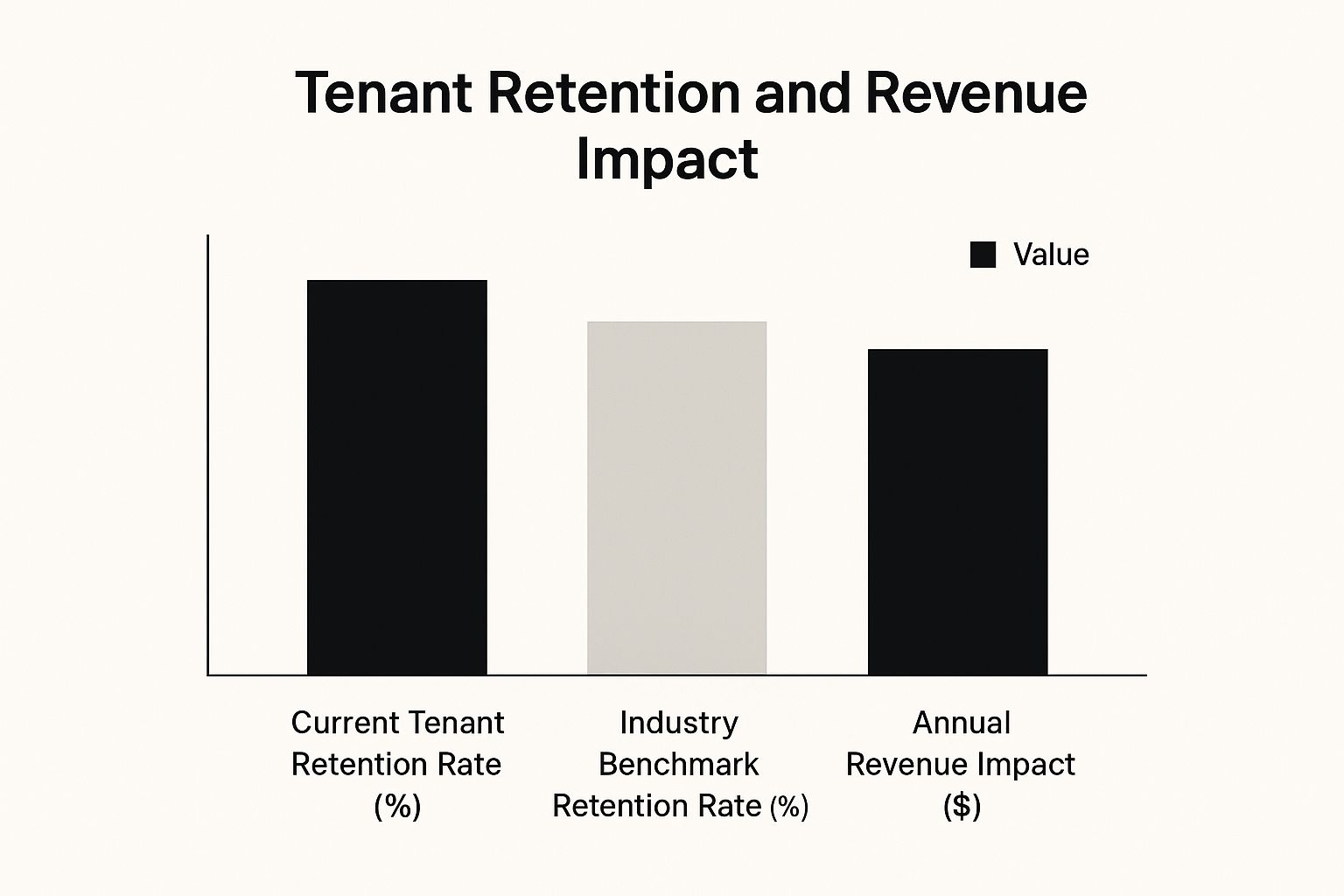
The data makes it crystal clear: beating industry averages in tenant retention doesn't just feel good, it directly translates into major annual revenue gains by keeping those costly vacancies to a minimum.
The Power of Tracking Occupancy Trends
The occupancy rate is one of the most fundamental property management KPIs in our business, showing the simple ratio of rented units to total available units. Top-tier property managers track these rates religiously to gauge tenancy trends and forecast revenue. For instance, a 200-unit apartment building with 185 occupied units has a 92.5% occupancy rate, which sits comfortably within the typical industry benchmark of 85% to 95%. This KPI is directly tied to revenue—higher occupancy means more rental income, plain and simple. If you're curious, you can find more about key performance indicators on Showdigs.com and see how this metric is used for different property types.
Here at Coast & Valley, we don't just glance at the current rate. We analyze the trends over time to get ahead of potential issues. This proactive approach is how we minimize costly vacancies and secure a consistent, reliable income stream for the high-end properties we manage.
Calculating The True Cost Of Tenant Turnover
While your occupancy rate shows revenue coming in, tenant turnover is the hidden expense silently draining that income. For any owner of a high-end property in Monterey County, turnover is one of the biggest—and most frequently underestimated—costs that will eat into your investment returns. To grasp its true financial bite, you have to look beyond a simple definition.
A vacant property isn’t just missing rent; it's actively costing you money. Think of it as a collection of smaller, compounding expenses that add up alarmingly fast. Every time a tenant moves out, a new cycle of costs kicks in, directly hammering your Net Operating Income (NOI) and overall profit.

Actionable Checklist: The Real Costs of Turnover
The final bill for a single turnover is almost always higher than owners expect. The expenses go way beyond just the obvious lost rent, creating a serious financial drag on your asset.
Here’s a checklist of the typical expenses you're facing:
- [ ] Lost Rent: This is the big one. Every single day your property sits empty, whether it’s a luxury home in Pebble Beach or a condo in Seaside, is a day of lost income.
- [ ] Marketing and Advertising: Finding top-tier tenants means paying for professional photos, premium listings on all the major platforms, and the staff time it takes to handle every inquiry and showing.
- [ ] Cleaning and Repairs: Even the most conscientious tenants leave behind normal wear and tear. A full turnover requires deep cleaning, fresh paint, carpet shampooing, and fixing any little issues to get the unit "rent-ready" for a discerning new resident.
- [ ] Administrative Work: The hours spent processing applications, running thorough background and credit checks, and preparing and signing new lease agreements all represent a very real, tangible cost.
A Monterey County Turnover Scenario
Let's put some real numbers to this. Imagine you own a single-family home in Monterey that rents for $4,500 per month. If that home is vacant for just one month between tenants, you’re already in a significant hole.
But that's just the start. Let's tally up the other costs:
- Lost Rent (1 Month): $4,500
- Professional Cleaning: $500
- Painting Touch-Ups: $600
- Marketing & Listing Fees: $250
- Tenant Screening: $100
In this pretty conservative scenario, the total cost of a single tenant turnover is $5,950. Just like that, one vacancy has erased nearly six thousand dollars from your annual profit margin. This is precisely why tenant retention isn't just a nice-to-have—it's paramount to your ROI.
The Strategic Value Of Tenant Retention
The tenant turnover rate is a vital KPI that tracks the percentage of tenants who leave your property each year. A high turnover rate inflates your costs through vacancies, repairs, and marketing. While the numbers can vary, the expense of replacing a good tenant can easily reach one or even two months' rent.
This reality makes reducing turnover one of the most powerful ways to stabilize your revenue. At Coast & Valley, we treat tenant retention as a core pillar of asset protection. Our proactive management is built to fight turnover head-on through responsive maintenance, clear communication, and a landlord-tenant relationship built on professionalism and trust. When you create an environment where great tenants want to stay, you minimize these expensive vacancies.
Our deep local experience in Salinas and the greater Monterey Bay Area gives us a real advantage in keeping tenants happy. At the end of the day, a satisfied, long-term tenant is your best defense against the profit-killing cycle of turnover. We've put together more specific strategies on this, and you can learn how to earn a lease renewal from tenants in our detailed guide. This focus isn't just about good customer service; it's a direct and proven strategy for protecting your bottom line.
Gauging Your Property's Operational Health
While financial metrics tell you what happened with your investment, it’s the operational property management KPIs that reveal the real story of why it happened. These numbers measure the day-to-day efficiency and physical well-being of your property.
For an owner with a high-end home in Pebble Beach or a modern apartment complex in Salinas, fast and effective maintenance is about so much more than just keeping tenants happy. It's about actively preserving your asset for the long haul.
Think of operational KPIs as the diagnostic tools for your property. They help you catch small issues before they snowball into expensive emergencies, giving you a clear picture of how your property is being cared for. Ignoring them is like driving a luxury car without ever bothering to check the engine oil or tire pressure—sooner or later, you're going to run into serious trouble.
Average Maintenance Request Completion Time
This one is simple but powerful. It tracks the average time from the moment a tenant submits a maintenance request to when the job is officially marked as complete. A slow response time is one of the quickest ways to sour a relationship with a great tenant, often leading to higher (and more costly) turnover.
Here in Monterey County, tenants have high expectations for their living experience, and responsiveness isn't just a bonus—it's a must. Whether it's a minor leaky faucet in a Gonzales family home or a major appliance issue in a Monterey condo, a prompt fix shows your tenants you value them.
A consistently low completion time—ideally under 48 hours for non-urgent issues—is a fantastic sign of a well-managed property. It directly boosts tenant satisfaction and retention, which in turn protects your cash flow and maximizes ROI.
At Coast & Valley, we use advanced owner and tenant portals to log, track, and resolve every maintenance request with complete transparency. This tech-first approach ensures nothing falls through the cracks and gives you a real-time window into our team's performance. Nailing down an efficient work order management process is fundamental to keeping things running smoothly.
Maintenance Costs as a Percentage of Revenue
This critical metric is all about perspective. It helps you understand if your maintenance spending is reasonable and proportional to your property's income. Without it, costs can easily spiral out of control and eat away at your Net Operating Income (NOI).
- Calculation: (Total Maintenance Costs / Gross Annual Income) x 100
- What it reveals: This percentage tells a story. Are you overspending on reactive, "firefighting" repairs? Or is your preventive care strategy working to minimize those large, unexpected bills?
- Actionable Insight: If you see a sudden spike in this percentage, it’s a red flag. It could mean an old HVAC system is on its last legs or that it's time to budget for a capital improvement, like replacing outdated plumbing. Tracking this helps you plan for future CapEx projects instead of being blindsided by them.
Controlling these operational costs is a cornerstone of any profitable rental strategy. As you get a handle on expenses, it’s also smart to explore other ways to grow your revenue. We’ve put together some of our best advice on 5 secrets for maximizing apartment property income that perfectly complements this focus on cost control.
By tracking these operational KPIs with discipline, we shift from a reactive "break-fix" model to a proactive, preventive care strategy. This approach doesn't just save our clients money—it reinforces the trust, professionalism, and commitment to asset preservation that defines the Coast & Valley service.
Building Your Investor Dashboard for Success
Tracking individual property management KPIs is crucial, but their real power is unlocked when you bring them all together. You don’t need to be an accountant to get a clear picture of your asset’s performance; you just need a management partner who can translate all that complex data into straightforward, actionable advice. A modern investor dashboard goes way beyond static spreadsheets, giving you a dynamic, real-time view of your property’s financial health.
For busy professionals and investors with properties scattered across Monterey County—whether it's a luxury home in Carmel or a multi-family building out in King City—this kind of clarity isn't just a nice-to-have, it's a necessity. It’s all about having the confidence that your asset is being managed with precision and that your returns are being maximized. The message is simple: data-driven property management saves you time, gives you peace of mind, and secures your investment’s future.

What a Modern Owner Portal Should Deliver
Technology should make your life easier and more transparent, not more complicated. At Coast & Valley, our secure owner portal is built to give you a complete financial and operational overview at a glance, accessible 24/7 from anywhere in the world.
This isn’t just a place to see if the rent has been paid. A truly comprehensive dashboard should include:
- Financial Snapshots: Instantly see your Gross Income, Net Operating Income (NOI), and your current cash flow position.
- Occupancy Status: Check real-time occupancy and vacancy rates, so you always know exactly where your property stands.
- Maintenance Logs: Review open and completed maintenance requests—complete with photos and vendor invoices—for total transparency on every dollar spent.
- Document Access: Securely pull up leases, inspection reports, and monthly financial statements whenever you need them, without having to ask.
This level of detail is what allows for smart, informed decisions. By keeping a close eye on these key metrics, we can spot opportunities to boost your bottom line, which often involves putting smart strategies for higher rental income into action that are perfectly suited for the Salinas Valley market.
From Data to Decisions
At the end of the day, the goal of tracking all these property management KPIs is to drive proactive decisions that add real value. A strong dashboard transforms those numbers into a narrative, telling the story of your investment’s performance and lighting up the path to greater profitability.
A well-structured investor dashboard provides more than data; it provides confidence. It’s the ultimate proof that your property is not just being maintained, but strategically managed for peak performance and long-term growth.
This commitment to transparency and data-driven strategy is at the very heart of how we operate. We believe every owner deserves a clear, unfiltered view of their asset's performance.
If you’re ready to see how professional, data-driven management can unlock the full potential of your property in Salinas or anywhere else in Monterey County, connect with Coast & Valley today. Let us give you a comprehensive evaluation of your property’s performance and show you what a true partnership looks like.
Frequently Asked Questions About Property KPIs
Navigating the world of property management KPIs can feel overwhelming, especially for busy owners and investors. We get it. Here are some straightforward answers to the questions we hear most often from clients across Monterey County, designed to clear up the confusion and show you the real value of data-driven management.
How Often Should I Review My Property's KPIs?
We've found that a disciplined rhythm is key to reviewing your property’s performance. For the day-to-day stuff—operational KPIs like rent collection rates, maintenance requests, and current occupancy—you’ll want to check in monthly. This frequency is perfect for catching small issues, like a single slow rent payment or a sudden repair trend, before they snowball into bigger headaches.
For the bigger picture financial metrics like Net Operating Income (NOI) and your overall ROI, a quarterly and annual review offers a much more strategic view. This lets you spot meaningful trends and make smarter long-term decisions without getting lost in the daily noise. Our secure owner portal provides 24/7 access, but our curated monthly statements give owners a clear, actionable summary on a predictable schedule, saving you precious time.
What Is a Good Occupancy Rate for Salinas or Monterey?
In a competitive market like Monterey County, a healthy occupancy rate for a long-term rental typically lands somewhere between 95% and 98%. This holds true for sought-after neighborhoods in Salinas and for high-end properties along the coast.
Of course, there are always exceptions. A luxury vacation home in Carmel might naturally have more seasonal ups and downs than a family home in a stable South County community like Soledad or King City. But if your property is consistently dipping below that 95% mark, it's a huge red flag that something needs a second look—it could be the rent price, the property's condition, or the way it's being marketed. We constantly dig into hyper-local data to make sure your property is priced right for maximum occupancy.
Can Tracking KPIs Actually Increase My Property's Value?
Absolutely. This is where professional management really proves its worth. Consistently tracking property management KPIs is the foundation for growing your asset's value because it forces you to acknowledge that rental properties are true businesses that need sharp financial oversight.
By consistently improving metrics like Net Operating Income (NOI) while minimizing the financial drain from tenant turnover and extended vacancies, you directly increase your property's profitability.
Since the valuation of multi-family and commercial properties is tied so heavily to their NOI, a well-managed property with strong, documented KPIs is simply more attractive and valuable to potential buyers. It's concrete proof of a stable, optimized income stream, making your property a premium investment in the Monterey County market.
Ready to move beyond guesswork and unlock your property's full potential? The team at Coast & Valley Properties provides the data-driven expertise and transparent reporting you need to maximize your return on investment.
Contact us for a professional evaluation of your property's performance today.

A Guide to Property Management Accounting in Monterey County
When you hear "property management accounting," it's easy to think it's just about collecting rent and paying bills. But for a sophisticated investor in Monterey County, that’s just the beginning. Think of it as the financial command center for your entire real estate portfolio—the brain behind the operation that gives you the critical data you need to boost your ROI, preserve your asset's value, and achieve total peace of mind.
This guide provides a clear, actionable framework for mastering the financials of your high-end property, whether it's a luxury home in Carmel, a multi-unit building in Salinas, or a portfolio spanning the Monterey Bay Area.
Why Smart Accounting Is the Engine Driving Your Investment

For busy professionals and serious investors, treating property management accounting like a simple bookkeeping task is a massive missed opportunity. It’s much more than that. It's the nervous system for your properties, constantly monitoring their financial health, flagging opportunities for growth, and alerting you to small issues before they snowball into expensive headaches.
This strategic mindset is non-negotiable in a dynamic real estate environment like the Monterey Bay Area. It doesn’t matter if you own a luxury home in Carmel-by-the-Sea, a multi-unit building in Salinas, or rentals near the agricultural fields in South County towns like Soledad or King City—you need meticulous financial oversight to protect and grow your investment.
The Foundation of Strategic Ownership
Professional property management accounting gives you a clear, numbers-driven picture of how your investment is really doing. It’s about moving beyond just tracking money in and money out to get real, actionable insights. This disciplined approach to finances is what empowers you to make smart, data-backed decisions that directly enhance your bottom line.
A professional system, like the one we provide at Coast & Valley, helps you get a firm grasp on:
- True Profitability: You’ll see exactly which properties are your top performers and understand the "why" behind their success.
- Expense Control: Pinpoint exactly where your money is going and uncover hidden opportunities to streamline costs without sacrificing quality.
- Tax Readiness: No more scrambling come tax season. Your financials are organized and compliant, ensuring you maximize every possible deduction.
- Compliance and Security: We maintain airtight records for security deposits and operating funds in dedicated trust accounts, protecting you from legal troubles and financial risk.
As Amy Salmina, our fourth-generation Salinas native and the leader of our team, often says, “Treating your property like a business starts with managing its finances like a business. That discipline is what separates passive ownership from active, successful investing.”
A Growing Field of Expertise
The need for this kind of professional oversight is a clear trend in the real estate world. The U.S. property management market is a huge and growing industry, employing over 910,000 people. This growth highlights just how complex property ownership has become and how much value expert financial management brings to the table for discerning owners.
Ultimately, getting a handle on these financial principles is fundamental to hitting your investment goals. It provides the clarity and control you need to not just hang onto your assets, but to make them more valuable over time. For a deeper look into other key strategies, we've put together a guide on property management best practices.
Decoding the Financial Reports Every Investor Needs

When it comes to property management accounting, everything leads to a handful of clear, concise financial reports. These documents aren't just historical records; they're your strategic playbook, giving you a complete picture of your investment's health. For any sophisticated owner in Monterey County, getting comfortable with these reports is the key to making confident, data-driven decisions about your assets.
Think of these reports as a team of specialists, each offering a unique diagnosis of your property's performance. The Income Statement is the performance guru, the Balance Sheet is the wealth manager, and the Cash Flow Statement is the liquidity expert. Together, they tell the full story.
The Income Statement (Profit & Loss)
The Income Statement, which you'll often hear called the P&L, is the most straightforward of the bunch. Its entire purpose is to answer one critical question: Is my property actually making money over a specific time frame? It gets to that answer by simply subtracting all the operating expenses from the total income generated.
For instance, a P&L for a high-end rental in Pacific Grove would neatly lay out:
- Income: This is your monthly rent collected, plus any extra revenue streams like late fees, application fees, or pet fees.
- Operating Expenses: These are all the day-to-day costs of keeping the property running. Think property management fees, landscaping services in Carmel, routine repairs in Salinas, insurance premiums, and Monterey County property taxes.
By reviewing your P&L monthly or quarterly, you start to see patterns. Are utility costs creeping up? Is maintenance spending higher than you budgeted for? This report is your financial early-warning system.
The Balance Sheet
While the P&L shows performance over time, the Balance Sheet gives you a snapshot of your property's financial standing at a single moment. It’s all based on a simple, powerful formula: Assets = Liabilities + Owner's Equity. This report reveals the true value and financial structure of your investment.
The Balance Sheet is a powerful tool for understanding your asset's long-term health. It helps you see not just what you're earning, but what you own versus what you owe, which is fundamental to building generational wealth through real estate.
For a property anywhere in the Monterey Bay area, the key components are:
- Assets: This includes the property's market value, the cash sitting in your operating accounts, and any security deposits you're holding in a trust account.
- Liabilities: This is primarily the outstanding mortgage balance, along with any other debts, like a loan for a major roof replacement.
- Equity: This is the difference between your assets and liabilities. It’s your actual stake in the property—the part you truly own and a key indicator of wealth growth.
The Cash Flow Statement
The Cash Flow Statement is arguably the most important report for an investor's peace of mind. It tracks the actual movement of cash—real dollars—in and out of your accounts. It shows exactly where your money came from and where it went. This is a crucial distinction from the P&L, which might include non-cash items like depreciation.
This statement helps answer make-or-break questions: Do I have enough cash on hand to cover the mortgage and a sudden, expensive repair? How much cash did my property actually distribute to me last month? This clarity is absolutely essential for managing your liquidity and avoiding financial surprises.
To help you get a handle on these documents at a glance, here’s a quick breakdown of what each report tells you and what to look for.
Key Financial Statements for Property Investors
| Financial Statement | What It Tells You | Actionable Insights to Look For |
|---|---|---|
| Income Statement (P&L) | Is your property profitable over a period (month, quarter, year)? | Trends in vacancy loss, spikes in operating expenses, opportunities to increase Net Operating Income (NOI). |
| Balance Sheet | What is the property's net worth at a specific point in time? | Growth in owner's equity over time, ratio of debt to assets. |
| Cash Flow Statement | Where did your cash come from and where did it go? | Health of operating cash flow, ability to cover debt service and capital expenditures, actual cash distribution. |
These three reports are the foundation of smart financial oversight. For a deeper dive into what to expect from your property manager, take a look at our guide on the essential financial reports for a Salinas investment property.
To present this data effectively to partners or stakeholders, many owners also use specialized investor reporting software to streamline communication and improve transparency. Here at Coast & Valley, we provide all these detailed reports through our secure owner portal, ensuring you always have a clear, accurate, and up-to-date view of how your investment is performing.
Building Your Accounting Workflow for Peak Efficiency
An inefficient accounting process is more than just a headache; it creates financial blind spots and piles on unnecessary stress for property owners. Building a professional, repeatable workflow is how you gain clarity and control. For a high-end investment in Monterey County, this isn't just about bookkeeping. It’s about creating a system that protects your asset, saves you time, and delivers the crystal-clear data you need to make strategic decisions.
The whole system really starts with a solid foundation. This means putting a structure in place that guarantees compliance, transparency, and operational ease right from day one. At Coast & Valley, this is a non-negotiable first step for every single property we manage, whether it’s a luxury home in Pebble Beach or a commercial space in Salinas.
The Critical First Steps: A Checklist
Before a single dollar of rent is collected or any bills are paid, you have to lay the groundwork. This initial setup prevents the commingling of funds—a huge legal and financial risk—and establishes a professional framework for every transaction that follows.
- Set Up Dedicated Bank Accounts: The single most important step. California law is incredibly strict about this. You'll need, at a minimum, a trust account for holding tenant security deposits and a completely separate operating account for rent collection and paying expenses. This is the absolute bedrock of professional property management accounting.
- Choose Your Accounting Method: Next, decide between cash-basis or accrual-basis accounting. Most individual investors prefer cash-basis because it's simpler; you record income when rent actually lands in your account and expenses when you actually pay the bills. Accrual-basis is more complex, recording income when it's earned and expenses when they're incurred. While accrual gives a more precise long-term financial picture, cash-basis is often more practical for day-to-day management.
- Establish a Chart of Accounts: Think of this as a custom-made list of all your income and expense categories. A well-organized chart of accounts is vital. It’s what allows you to track everything with precision, from routine landscaping in Soledad to major capital expenditures, like a new HVAC system in a Monterey property.
A disciplined workflow isn't just for your accountant; it's for you. It transforms a shoebox full of receipts into a powerful decision-making tool, giving you an immediate, accurate view of your property’s performance.
Ongoing Processes for Financial Clarity
Once the foundation is in place, the focus shifts to consistent, ongoing processes. A clean workflow ensures nothing slips through the cracks and that your financial reports are always accurate and ready when you need them. This all comes down to meticulously tracking every dollar that moves in and out of your property's accounts.
Here’s a simplified look at how a professional budgeting workflow keeps your finances on track in property management accounting.
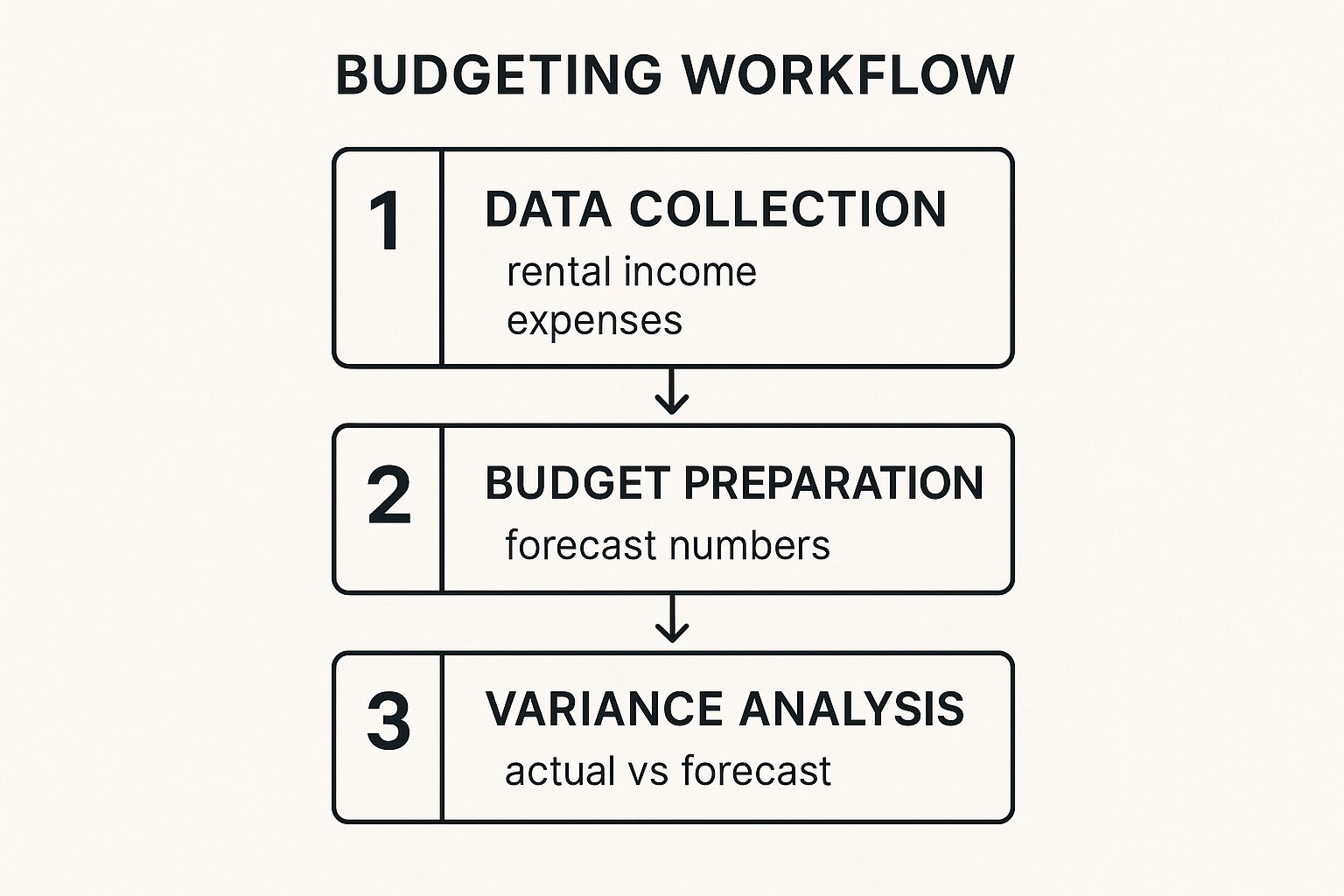
This process really shows that smart financial management is a continuous cycle. It's about constantly collecting data, forecasting, and analyzing so you can make proactive adjustments instead of just reacting to problems.
Key ongoing tasks include:
- Timely Income Tracking: This is more than just logging rent checks. It means diligently recording all income sources—from rent to late fees, pet fees, or laundry income—and making sure they are deposited into the correct operating account.
- Detailed Expense Categorization: Every single expense, no matter how small, has to be categorized correctly according to your chart of accounts. Whether it's a minor plumbing repair in King City or a significant insurance payment, proper categorization is crucial for accurate P&L statements and for maximizing your tax deductions.
- Regular Bank Reconciliation: At least once a month, your bank statements have to be reconciled against your accounting records. This process is your safety net; it confirms every transaction was recorded accurately and helps you catch any potential errors or discrepancies before they become bigger issues.
By building this repeatable, scalable system, you completely eliminate the guesswork. You get the peace of mind that comes from knowing your investment’s finances are managed with professional precision, giving you the clarity you need for tax season and long-term strategic planning.
Using Technology for Seamless Property Accounting

For any busy investor managing high-value assets in Monterey County, modern property management accounting simply runs on technology. The days of manual ledgers and shoeboxes overflowing with receipts are long gone. Thank goodness.
Today, specialized software automates the tedious tasks, bringing a level of efficiency, security, and transparency that was once impossible. This shift from manual chore to automated process is really the heart of the concierge-level service that sophisticated owners have come to expect.
Think about it this way: a tenant in your Salinas property pays rent online. The software instantly logs the payment, automatically sends a receipt, and updates all your financial reports in real-time. If a payment is late, the system can calculate and apply the correct fee based on the lease terms without anyone lifting a finger. This kind of automation all but eliminates human error and ensures every single financial detail is captured accurately.
The Power of an Integrated Platform
The real magic happens when you use an integrated system where all financial activities live in one secure place. At Coast & Valley, we use best-in-class technology that acts as the central hub for your property's entire financial life. This provides a level of peace of mind and operational clarity that’s hard to overstate.
Here are a few key advantages for property owners:
- 24/7 Access Through a Secure Owner Portal: You can log in anytime, from anywhere in the world, to view detailed financial statements, check the status of maintenance requests, and access important documents. This on-demand access means you are always connected to your investment’s performance.
- Streamlined Expense Tracking: Instead of manually keying in invoices, we can scan receipts and bills directly into the system. The software is smart enough to categorize each expense—whether it's a plumbing repair in Soledad or landscaping in Pebble Beach—ensuring every cost is meticulously tracked for tax purposes.
- Instant and Accurate Reporting: Need to see your property's profit and loss for the last quarter? With just a few clicks, the system generates comprehensive reports. You get the data needed to make informed decisions without waiting around.
This level of technological integration is about more than just convenience; it’s about providing you with ultimate trust and transparency. Knowing that your financial data is secure, accurate, and always available is fundamental to a premium management experience.
A Growing Standard of Excellence
The property management industry is expanding quickly, with some projections showing the global market could hit $28 billion by 2028. This growth is being supercharged by technology that makes operations like rent collection and accounting far more efficient.
For a high-end property owner, this means the standard for service is higher than ever. Tools designed for real estate document automation take things a step further by simplifying complex paperwork, ensuring every lease and notice is compliant and handled professionally. This technology isn't just a "nice-to-have" feature; it is absolutely essential for providing the high-touch, efficient service that protects and grows the value of your Monterey Bay assets.
Understanding the role these platforms play is critical, which is why we’ve put together a detailed look into why you need property management software for your investments. At the end of the day, using the right technology transforms property management accounting from a reactive chore into a proactive strategy for your success.
Mastering Taxes and Compliance in Monterey County
When you own rental properties in Monterey County, navigating the tangled web of taxes and local regulations isn't optional. For a busy investor, it's often the most stressful part of the job. But it doesn't have to be. With a proactive approach and a solid accounting system, tax season can transform into a smooth, predictable process that legally shrinks your liability.
The secret is realizing that tax prep isn't just a once-a-year scramble. It's the natural outcome of meticulous, year-round financial tracking. Every rent check cashed and every repair bill paid is a piece of your property's financial story. A professional partner ensures that story is told accurately and in a way that gives you the maximum advantage.
Preparing for a Seamless Tax Season
An organized accounting system is your best friend come tax time. Imagine this: instead of frantically digging for receipts and bank statements in April, you have a clean, comprehensive record of your property's performance ready to go. This level of organization is what separates peace of mind from pure chaos.
Here is an actionable checklist for what a professional manager will handle to ensure tax readiness:
- Issue Form 1099-NEC: That plumber in Salinas or landscaper in Monterey you hired? If you paid them over $600 for the year, they must be issued a 1099. This is a non-negotiable IRS requirement, and failing to comply can lead to hefty penalties.
- Provide Detailed Expense Reports: A well-categorized expense report is the backbone of your deductions. It clearly lays out every legitimate business cost, from management fees to minor repairs.
- Compile Comprehensive Income Statements: This report gives you a clear snapshot of all rental income, late fees, and other revenue, painting a complete picture of your gross earnings.
With these documents organized and accurate, filing your taxes becomes as simple as handing a complete, clean package over to your CPA. For a deeper look, check out our guide on how Salinas landlords can prepare for a stress-free tax season.
Maximizing Your Deductions
Really understanding which expenses you can write off is fundamental to boosting your return on investment. The IRS allows property owners to deduct the "ordinary and necessary" expenses of managing and maintaining their rental properties. This is where that meticulous, year-round bookkeeping truly pays off.
Proactive expense tracking isn't just about compliance; it's about strategy. Every properly documented deduction directly reduces your taxable income, putting more money back into your pocket and improving your property's net return.
Common deductible expenses for rental properties in places like King City, Gonzales, and the wider Monterey Bay Area include:
- Repairs and Maintenance: The costs of routine upkeep, from fixing a leaky faucet to painting a unit between tenants.
- Property Management Fees: Good news—the fees you pay to a professional firm like Coast & Valley are fully deductible.
- Insurance Premiums: This includes your landlord, flood, and liability insurance policies.
- Professional Services: Any legal and accounting fees related to your rental business.
- Travel Expenses: The cost of traveling to manage or maintain your property can often be deducted.
- Depreciation: This is a huge one. It allows you to deduct the cost of the property itself over its useful life, providing a significant non-cash deduction.
Beyond these basics, it’s worth digging deeper. To make sure you’re not leaving any money on the table, you can explore these crucial tax deductions for real estate investors.
Our role at Coast & Valley is to deliver the airtight financial data that makes claiming every deserved deduction straightforward and defensible. We ensure your accounting provides a clear, compliant, and advantageous financial picture, turning a tax obligation into an opportunity to strengthen your investment's bottom line.
Using Advanced Metrics to Fuel Portfolio Growth
For the serious investor in Monterey County, basic property management accounting is just the starting point. While tracking income and expenses is the bedrock of day-to-day operations, true portfolio growth comes from digging into a much deeper level of financial analysis. This is where we shift from simply balancing the books to using key performance indicators (KPIs) to drive smart acquisition and optimization decisions.
Think of it like this: your standard financial reports tell you how your property performed last month. That's looking in the rearview mirror. Advanced metrics, on the other hand, tell you how it’s likely to perform over the next decade and how it stacks up against other opportunities in the competitive Monterey Bay market. This strategic insight is what a true management partner provides—transforming raw data into a clear roadmap for long-term wealth.
Going Beyond Basic Cash Flow
To really evaluate your assets and spot new opportunities, you need to speak the language of sophisticated real estate investment. Mastering a few critical metrics is essential. These KPIs allow you to compare a multi-family unit in Salinas against a luxury vacation home in Carmel on a true apples-to-apples basis.
- Net Operating Income (NOI): This is your property's total income minus all its operating expenses, before you factor in mortgage payments or income taxes. NOI gives you the pure, unvarnished truth about an asset's profitability, completely separate from your financing choices. A consistently rising NOI is a powerful signal of strong management and a healthy property.
- Capitalization Rate (Cap Rate): The Cap Rate (which is simply NOI / Property Value) is one of the most powerful tools for comparing different investment opportunities. For instance, if a property in Soledad generates an NOI of $50,000 and is valued at $1,000,000, its Cap Rate is 5%. This number lets you quickly size up its potential return against other local deals.
- Cash-on-Cash Return: This metric gets straight to the point, answering the question every investor asks: "What is the return on the actual cash I put into this deal?" You calculate it by dividing the annual pre-tax cash flow by the total cash you invested (your down payment, closing costs, etc.). It’s a vital measure of how efficiently your money is working for you.
As our founder, Amy Salmina, often advises clients, "The best investments aren't just about what you buy; they're about how you measure and manage them. These advanced metrics are your tools for making disciplined, unemotional decisions that build real wealth."
From Metrics to Action
Of course, knowing what these numbers mean is only half the battle. The real magic happens when you use them to actively grow your portfolio. By analyzing the KPIs of your current properties, we can pinpoint specific opportunities to boost performance. A deep dive might reveal, for example, that you could significantly increase NOI just by making a few targeted upgrades. Our guide on strategies for higher rental income explores many of these possibilities in greater detail.
When looking at a potential new acquisition in a high-demand area like Pacific Grove, we use these same metrics to forecast its performance and land on a fair offer price. This data-driven approach takes the emotion out of the equation, making sure every move you make is financially sound and perfectly aligned with your long-term goals.
Essential KPIs for Real Estate Investors
For investors ready to graduate to the next level of analysis, the metrics below offer a more nuanced view of an asset's health and potential. These aren't just numbers on a spreadsheet; they are the diagnostic tools that reveal the true story behind a property's performance.
| Metric (KPI) | What It Measures | Why It Matters for Your Monterey County Portfolio |
|---|---|---|
| Gross Rent Multiplier (GRM) | The ratio of property price to its gross annual rental income. | A quick, back-of-the-napkin way to compare the value of similar properties in Salinas, Monterey, or Pacific Grove. A lower GRM can signal a better deal. |
| Vacancy Rate | The percentage of time a unit is unoccupied over a specific period. | High vacancy rates eat into your NOI and can indicate problems with pricing, marketing, or property condition. Tracking this helps you stay proactive. |
| Break-Even Ratio (BER) | The ratio of operating expenses plus debt service to the gross operating income. | This tells you the occupancy level needed to cover all your costs. A lower BER means less risk and a more resilient investment. |
| Return on Investment (ROI) | The total return (appreciation + cash flow) relative to the total cost of the investment. | This is the ultimate measure of an investment's overall profitability, giving you the big-picture view of its performance over time. |
By regularly tracking these KPIs, you move from being a passive property owner to an active portfolio manager. You gain the clarity needed to decide when to hold, when to sell, and where to invest next for maximum growth.
At Coast & Valley, our job is to provide this strategic analysis, helping you not just manage your properties, but actively build a more powerful and profitable portfolio.
Common Property Accounting Questions Answered
Even the most experienced investors run into specific accounting questions. When you own high-value properties in a market like Monterey County, getting straight, clear answers is non-negotiable—it's about maintaining confidence and control over your assets.
Let’s walk through some of the most common questions we hear from our clients. These are the practical, real-world issues that directly impact your bottom line and your peace of mind. Getting them right isn't just good practice; it's the core of professional financial stewardship.
How Often Should I Receive Financial Reports?
For a premium property, you should expect detailed financial reports every single month. This regular rhythm is essential. It gives you a consistent, up-to-date picture of how your investment is performing without any long gaps or surprises.
At Coast & Valley, we provide a secure owner portal with 24/7 access to these statements. You'll always have these at your fingertips:
- Income Statement (P&L): A clear snapshot of your property's profitability for the month.
- Cash Flow Statement: Shows you exactly where the money went—what came in and what went out.
- Expense Register: A detailed, line-by-line list of every single paid invoice.
This kind of regular, transparent reporting is a cornerstone of any property management relationship built on trust.
What Is the Difference Between a Repair and a Capital Improvement?
This is a fantastic question, and the answer is absolutely critical for your taxes.
A repair is an expense that keeps your property in good, working condition. Think of it as maintenance—fixing a leaky faucet in a Salinas rental, replacing a broken window pane in Monterey, or patching a hole in the wall. These costs are typically deductible in the same year you pay for them.
A capital improvement, on the other hand, is a much bigger deal. It's an investment that adds significant value to your property, extends its useful life, or adapts it for a new purpose. We're talking about projects like adding a new bathroom, replacing the entire roof, or installing a brand-new HVAC system. You don't deduct these costs all at once. Instead, they are depreciated over their useful life, which gives you a sustained tax benefit for years to come.
Understanding this difference is key to a smart tax strategy. We meticulously categorize every single expense to make sure you can claim the proper deductions and accurately track your property's cost basis over time.
How Are Security Deposits Handled?
This is a huge compliance area, especially in California. Security deposits are not your income. They are a liability—money you are holding in trust for your tenant.
By law, these funds must be kept in a separate trust account and can never be mixed with your regular operating funds (a practice called commingling). When a tenant moves out, the deposit can be used to cover any damages beyond normal wear and tear or to settle any unpaid rent.
Crucially, you must return the remaining balance to the tenant within 21 days, along with an itemized statement explaining any deductions. Handling security deposits correctly is a major legal responsibility that we manage with extreme care.
Can I Deduct Property Management Fees?
Yes, absolutely. The fees you pay a professional property management company for services like collecting rent, screening tenants, and coordinating maintenance are considered a standard operating expense for your rental business.
This means they are fully deductible from your rental income. It's a straightforward way to lower your overall tax burden.
Navigating the ins and outs of property management accounting takes more than just a calculator—it demands local expertise and a serious commitment to transparency. At Coast and Valley Properties, we provide the detailed financial oversight and strategic guidance you need to protect and grow your investment.
Discover how our full-service management can bring clarity and peace of mind to your portfolio.

Maximizing Your Monterey County Investment: 9 Property Management Best Practices for High-Value Properties
Owning high-end rental property in Monterey County, from the agricultural heart of Salinas to the coastal estates of Pebble Beach, is a significant investment that demands more than just rent collection. It requires a sophisticated, proactive strategy to preserve asset value, maximize your Return on Investment (ROI), and ensure peace of mind. For discerning owners and busy professionals, standard management is not enough; you need concierge-level oversight that anticipates needs and mitigates risks before they arise.
This guide moves beyond generic advice to outline the essential property management best practices that separate adequate service from exceptional stewardship. We will explore nine critical pillars, providing actionable insights specifically tailored for the unique market dynamics of Salinas, Monterey, and the surrounding South County communities like King City and Gonzales. These are the proven methodologies Coast & Valley Properties employs to protect and grow our clients' portfolios, championed by our deep local roots and the leadership of Amy Salmina.
By implementing these advanced strategies, you can transform your property from a passive asset into a high-performing investment, secure in the knowledge that every detail is managed with professionalism and trust. To further streamline your operations and ensure comprehensive coverage of best practices, consider reviewing a detailed guide on crucial Top 8 Property Management Checklist Items to complement the strategies discussed here. You will learn to navigate complex California laws, leverage technology for efficiency, and build tenant relationships that drive long-term value, ensuring your Monterey County portfolio thrives.
1. Concierge-Level Tenant Screening: Securing Your High-Value Asset
For a luxury property in Carmel or a prime single-family home in Salinas, the tenant is the most critical variable affecting your investment's health. This best practice transcends basic background checks. It’s a comprehensive, white-glove evaluation process designed to secure reliable, responsible residents who will not only pay rent punctually but also respect and preserve the quality of your property. This meticulous, fair, and legally compliant approach is one of the most vital property management best practices for protecting your asset and maximizing ROI from day one.
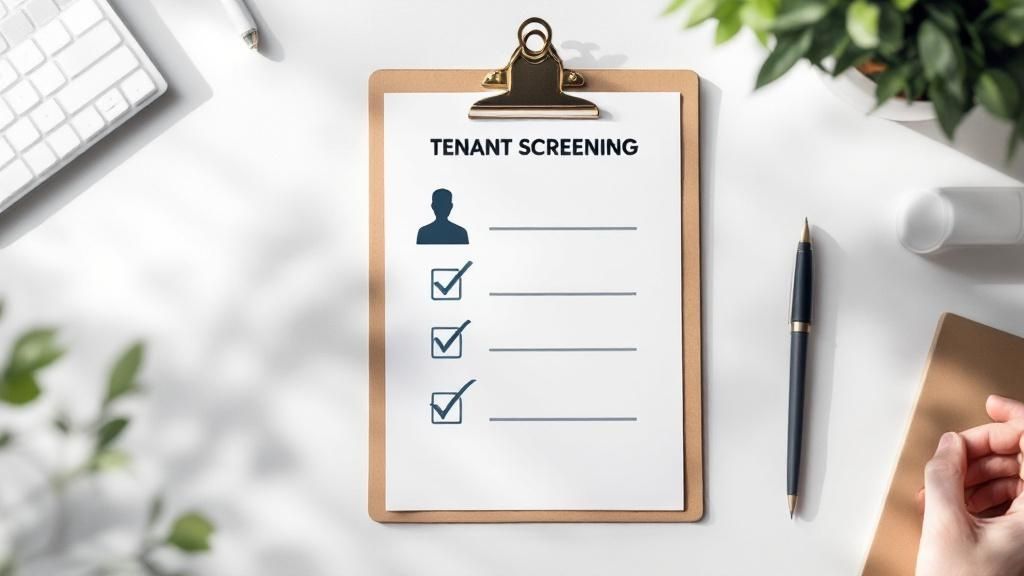
In Monterey County's competitive market, a sophisticated screening process attracts a higher caliber of applicant. It involves a deep dive into an applicant's financial stability, rental history, and overall reliability to ensure they are an ideal fit. For a luxury Pebble Beach home, for example, a concierge-level process may involve verifying international employment and assets to secure a high-quality corporate tenant. In contrast, for a multi-family unit in Salinas, it could identify a subtle pattern of late payments in an applicant's history, preventing a potential collections issue down the line. Utilizing advanced, secure platforms like AppFolio further streamlines this for applicants while ensuring data security and accelerating verification.
Actionable Tips for Implementation
- Establish Uniform Criteria: Create a written checklist of screening standards and apply them consistently to every applicant. This ensures you comply with the Fair Housing Act and maintain a professional, unbiased process. Your criteria should include income-to-rent ratio, credit score minimums, and rental history requirements.
- Verify Income at the Source: Always confirm an applicant's stated income by requesting recent pay stubs, bank statements, or official offer letters. A common practice is requiring gross income to be at least 3x the monthly rent. Never take income claims at face value.
- Conduct Thorough Landlord Interviews: Contact at least two previous landlords. Ask specific, actionable questions: "Did the tenant pay rent on time every month?" "Was the full security deposit returned?" "Would you rent to them again?" This provides invaluable insight into their behavior as a tenant.
- Leverage Professional Services: Use a professional, FCRA-compliant screening service that provides comprehensive credit, criminal, and eviction reports. This is a non-negotiable step for any serious investor. For additional insights, you can find more strategies for prospect screening to help secure ideal tenants.
2. Preventive Maintenance Programs: Protecting Your Investment's Future
Reactive maintenance—only fixing things as they break—is one of the quickest ways to erode a property's value and tenant goodwill. A systematic, proactive approach is one of the most critical property management best practices. This involves scheduled inspections, routine service, and proactive repairs to prevent catastrophic failures, extend the lifespan of key systems like HVAC and plumbing, and ultimately protect your bottom line by controlling costs. This strategy shifts the focus from costly emergency calls to predictable, budgeted upkeep, ensuring your property remains a top-tier asset.

For a multi-family property in Salinas or a luxury vacation home in Monterey, a well-executed preventive maintenance program is invaluable. It transforms property upkeep from a liability into a strategic advantage, preserving your asset's value. In the Monterey Bay Area, this means semi-annual gutter cleaning before the winter rains, checking for salt air corrosion on coastal properties in Pacific Grove, and servicing HVAC systems before the summer heat hits inland communities like King City. This not only keeps tenants happy but also provides a documented history of care, which is vital for warranty claims and insurance purposes.
Actionable Tips for Implementation
- Create Seasonal Checklists: Develop detailed, seasonal maintenance checklists tailored to your property. For the Monterey Bay Area, this includes checking for roof leaks before the rainy season, servicing HVAC systems, inspecting for pests, and ensuring proper drainage away from foundations.
- Leverage Technology for Scheduling: Use property management software to automate maintenance scheduling, reminders, and work order tracking. This ensures no task is overlooked and creates a clear, accessible record of all activities, giving you full transparency.
- Build a Network of Vetted Local Contractors: Cultivate strong relationships with reliable, licensed, and insured local contractors in Salinas and Monterey. Having trusted professionals on call is essential for both scheduled tasks and unexpected repairs, ensuring quality work and fair pricing.
- Document Everything Meticulously: Keep detailed records of all maintenance work, including dates, vendor details, costs, and photos. This documentation is crucial for budgeting, demonstrating due diligence, and supporting potential insurance claims. Explore our guide to see how a structured approach to rental property maintenance in Salinas can maximize your ROI.
3. Clear Lease Agreements and Documentation
The lease agreement is the legal backbone of any tenancy, a foundational document that prevents disputes and protects all parties. This property management best practice involves creating comprehensive, legally sound lease agreements that clearly outline the rights, responsibilities, and rules for both landlord and tenant. A meticulously drafted lease serves as the ultimate reference point for every aspect of the rental relationship, from rent collection to property maintenance, ensuring there is no room for ambiguity or misinterpretation.

For a high-end property owner in Monterey County, a generic, one-size-fits-all lease is a significant liability. A custom-tailored agreement protects your specific asset, whether it's a luxury home in Carmel with complex landscaping requirements or a multi-unit building in Salinas with shared amenities. For example, a lease for a Pebble Beach property might include specific clauses about event hosting or vehicle restrictions, while a lease in Gonzales might have addendums related to water usage. Ensuring full compliance with California’s intricate landlord-tenant laws is paramount. A clear, enforceable lease is your first and best line of defense.
Actionable Tips for Implementation
- Secure an Annual Legal Review: Your lease agreement is a legal document that must evolve with changing laws. Have a qualified California real estate attorney review and update your lease templates annually to ensure they remain compliant and enforceable.
- Use Plain Language for Clarity: While maintaining legal precision, write the lease in clear, understandable language. This minimizes tenant confusion and fosters a more transparent relationship from the start. A confused tenant is more likely to violate terms unintentionally.
- Incorporate Local and State Addendums: California has numerous required disclosures, such as those for lead-based paint, Megan’s Law, and pest control history. Ensure all mandatory state and local addendums for Monterey County are included to maintain full compliance.
- Provide a Lease Summary or FAQ: Offer tenants a one-page summary or a frequently asked questions document that highlights key terms like rent due dates, maintenance request procedures, and emergency contacts. This practical tool enhances comprehension and compliance. You can learn more about crafting essential lease clauses from reliable resources like the California Apartment Association, which provides guidance for landlords.
4. Effective Communication Systems: Building Trust and Efficiency
In the high-stakes world of property management, from a luxury estate in Carmel to a multi-family complex in Salinas, communication is the foundation of every successful relationship. An effective communication system is more than just answering the phone; it's a multi-channel strategy designed to ensure every interaction with owners, tenants, and vendors is timely, professional, and transparent. This commitment to clear and accessible dialogue is one of the most critical property management best practices, preventing misunderstandings, resolving issues swiftly, and building the trust necessary for long-term partnerships.

A robust communication framework provides a dedicated channel for every need. For an absentee owner of a Monterey vacation home, this means a secure online portal with 24/7 access to financial statements and maintenance updates. For a tenant in a South County property, it could be a simple text message system for routine maintenance requests. At Coast & Valley, we utilize integrated platforms like AppFolio to centralize these interactions, ensuring a single source of truth and a documented record of all communication. This technology-driven approach delivers the concierge-level service that discerning Monterey Bay clients expect, saving you time and providing complete transparency.
Actionable Tips for Implementation
- Establish Response Time Standards: Define and communicate clear service level agreements (SLAs) for different communication types. For example, commit to acknowledging emergency maintenance calls within 15 minutes and responding to routine owner emails within one business day. This sets professional expectations.
- Utilize a Centralized Platform: Implement a property management software with an integrated owner and tenant portal. This allows for secure document sharing, online rent payments, maintenance tracking, and a centralized hub for all important notices, enhancing owner convenience.
- Provide Multiple Contact Options: Offer various communication channels to suit different needs and preferences, such as a dedicated phone line for emergencies, an email address for general inquiries, and a portal or app for routine requests and announcements.
- Document All Critical Conversations: Maintain a meticulous record of important decisions, approvals, and agreements in your management software. This creates a clear audit trail that protects both the owner and the management company from future disputes and demonstrates professionalism.
5. Financial Management and Budgeting
Effective property management is fundamentally about protecting and maximizing the return on your investment. At its core, this requires rigorous financial oversight, strategic budgeting, and absolute transparency. For owners of valuable properties in Monterey County, from commercial spaces in Salinas to luxury homes in Carmel, this practice ensures every dollar is accounted for, expenses are controlled, and profitability is systematically enhanced. This is a cornerstone of professional property management best practices, transforming a real estate asset into a predictable, high-performing financial instrument.
This level of financial stewardship goes far beyond simple rent collection. It involves creating detailed annual budgets that anticipate everything from routine maintenance to seasonal utility spikes and potential vacancy periods. For example, a multi-unit property in Salinas requires careful cash flow management to cover landscaping in the spring and higher utility costs in the winter, all while building a capital reserve for future roof repairs or parking lot resurfacing. Elite management provides owners with clear, monthly statements that offer a real-time view of their asset's performance, fostering trust and enabling informed decision-making. For maximizing ROI through transparent financial management, consider adopting specialized invoice management for real estate to streamline expense tracking and vendor payments.
Actionable Tips for Implementation
- Utilize Integrated Accounting Software: Employ modern property management software like AppFolio or Buildium that has robust, built-in accounting features. This centralizes rent collection, expense tracking, and reporting, ensuring accuracy and saving you time.
- Maintain Separate Bank Accounts: Never commingle property funds with personal or other business finances. A dedicated operating account and a separate trust account for security deposits are non-negotiable for legal compliance and financial clarity in California.
- Conduct Monthly Financial Reviews: Schedule a consistent time each month to review key financial reports like the profit and loss statement, cash flow statement, and rent roll with your property manager. Understanding your financial reports for a Salinas investment property is crucial for strategic adjustments and maximizing ROI.
- Create a Proactive Annual Budget: Develop a comprehensive budget at the beginning of each year. This should include projected income, fixed costs (mortgage, insurance), variable expenses (repairs, utilities), and a contingency fund (typically 5-10% of gross rents) for unexpected issues, ensuring your investment remains financially sound.
6. Market-Competitive Pricing Strategies: Maximizing Revenue Without Sacrificing Occupancy
Setting the right rental price is a delicate balance. Price too high, and your high-end Carmel property sits vacant, costing you money every day. Price too low, and you leave significant revenue on the table, diminishing your return on investment. This is why dynamic, market-competitive pricing is one of the most crucial property management best practices. It’s an analytical approach that moves beyond guesswork, using real-time local data to set a rental rate that attracts quality tenants quickly while maximizing your income potential.
For a luxury ocean-view home in Monterey, this means analyzing comparable listings, seasonal demand, and recent rental comps to justify a premium rate. For a multi-unit property in Salinas, it involves a granular analysis of vacancy rates, local employment trends (like growth in the AgTech sector), and competitor pricing to ensure every unit is priced for optimal performance. This data-driven principle is now essential for individual investors in Monterey County to stay competitive and maximize their ROI.
Actionable Tips for Implementation
- Conduct Quarterly Market Surveys: Regularly analyze comparable properties in the immediate vicinity. Use professional tools and physically observe competing listings to understand their condition, amenities, and current asking rents. This provides a real-time pulse on the local Salinas or Monterey market.
- Factor in Total Cost of Occupancy: When setting a price, consider the value of included amenities. A property in Pebble Beach with included landscaping and pool services can command a higher rent than a similar home without these perks, as tenants value the convenience and cost savings.
- Adjust for Property Improvements: If you've recently upgraded a kitchen, installed new flooring, or added a desirable feature like an EV charging station, your rent should reflect this added value. Quantify the investment and adjust the price accordingly to capture the ROI.
- Monitor Local Economic Trends: Keep an eye on major employment shifts, like new business openings or expansions in the Salinas Valley agricultural tech sector. A growing job market increases rental demand and supports higher rental rates. This proactive awareness is a key differentiator in professional property management.
7. Legal Compliance and Risk Management
Navigating the complex web of federal, state, and local landlord-tenant laws is a non-negotiable component of professional property management. For an investor with properties across Monterey County, from a multi-unit complex in Salinas to a luxury home in Carmel, maintaining strict legal compliance is the ultimate form of risk management. This best practice involves a proactive, diligent approach to understanding and adhering to all regulations, ensuring every action, from lease signing to eviction, is handled correctly. It’s a foundational element that protects your investment from costly lawsuits, fines, and reputational damage.
Effective legal compliance is not a one-time task but an ongoing commitment to education and procedural integrity. It means staying current on rapidly changing California housing laws, such as tenant protection ordinances, safety codes, and Fair Housing regulations. For instance, a property manager must handle a security deposit for a Pacific Grove rental with the same legal precision as a tenant request for reasonable accommodation in a Soledad apartment. This diligent oversight protects your assets and reinforces the trust that is central to a successful owner-manager relationship.
Actionable Tips for Implementation
- Subscribe to Legal Updates: Actively follow publications from local real estate and apartment owner associations like the California Apartment Association. These organizations provide timely, localized information on legislative changes that directly impact your rental properties.
- Maintain Comprehensive Insurance: Secure robust landlord and liability insurance, and consider an umbrella policy for extra protection. This coverage is your financial shield against unforeseen events, accidents, or legal claims.
- Document Everything Meticulously: Keep detailed, organized records of all tenant communications, maintenance requests, property inspections with photos, and financial transactions. This documentation is invaluable evidence if a dispute arises.
- Establish a Relationship with Legal Counsel: Partner with a qualified attorney specializing in California landlord-tenant law before you need one. Having an expert on call provides peace of mind and allows for swift, accurate guidance when issues emerge. You can learn more about the intricate landscape of California landlord-tenant laws to better understand your obligations.
- Conduct Regular Staff Training: Ensure anyone interacting with tenants is regularly trained on Fair Housing laws, safety protocols, and proper tenant relations. Consistent training minimizes the risk of unintentional discrimination or procedural errors.
8. Technology Integration and Automation: Enhancing Efficiency and Service
In today’s fast-paced world, leveraging technology is no longer optional; it’s a cornerstone of elite property management best practices. This involves the strategic implementation of sophisticated property management software, smart home features, and automated workflows. The goal is to create a seamless, efficient ecosystem that benefits everyone, from the property owner in Monterey to the tenant in a Salinas multi-family complex. By automating routine tasks and providing digital convenience, we can dedicate more time to high-value activities like strategic planning and personalized client service.
Modern property management platforms, such as the powerful AppFolio system we utilize, centralize every facet of the management process. This integration transforms operations into a streamlined, data-driven engine. For instance, a maintenance request submitted by a tenant in Pacific Grove can be automatically logged, assigned to a vetted local vendor, and tracked through to completion, with all parties receiving real-time updates. Similarly, smart home technology, like smart locks or thermostats popular in luxury Pebble Beach rentals, offers enhanced security and energy efficiency, boosting a property's appeal and value while providing operational advantages.
Actionable Tips for Implementation
- Select an All-in-One Platform: Choose a comprehensive software solution that integrates accounting, leasing, maintenance, and communication. A unified system prevents data silos and provides a single source of truth for your entire portfolio, enhancing transparency and owner convenience. To understand the full impact, learn more about why professional property management software is essential.
- Prioritize Security and Data Integrity: Ensure any technology you adopt has robust security protocols, including regular data backups and encryption. Protecting owner and tenant financial information is a paramount responsibility that builds trust.
- Implement Smart Home Tech Strategically: Introduce smart home devices that offer a clear return on investment. Smart locks simplify turnovers and enhance security, while smart thermostats can reduce utility costs for vacant units and provide a desirable amenity for tenants.
- Automate Communications and Reporting: Use your software to automate rent reminders, lease renewal notices, and the generation of monthly owner statements. This ensures consistent, timely communication and frees up valuable time for more complex, high-touch interactions.
9. Tenant Retention and Relationship Building
High turnover is one of the most significant profit drains for any rental property, from a luxury home in Monterey to a multi-family building in Soledad. This best practice moves beyond transactional interactions and focuses on proactively building positive, long-term relationships with tenants. By fostering a sense of community and demonstrating genuine care, you transform a temporary resident into a loyal, long-term steward of your property, significantly reducing costly vacancies and marketing efforts. This focus on tenant satisfaction is a cornerstone of advanced property management best practices, ensuring stable occupancy and predictable cash flow.
A positive landlord-tenant relationship is invaluable. It encourages tenants to report maintenance issues early, take better care of the property, and be more understanding during necessary property improvements or repairs. In our experience managing properties throughout Monterey County, a responsive and respectful approach is the single most effective tool for retention. The goal is to create an environment where tenants feel valued and heard, making them far more likely to renew their lease year after year and protect your asset as if it were their own.
Actionable Tips for Implementation
- Be Responsive and Proactive: Address maintenance requests promptly and professionally. Use a digital portal to track requests and provide tenants with status updates, showing that their concerns are a top priority. A 24-hour response to non-emergency requests is a good benchmark.
- Offer Meaningful Renewal Incentives: Don't wait until the last minute. Begin the renewal conversation 60-90 days before the lease expires, offering a tangible incentive like a small rent credit, a professional carpet cleaning, or a smart-home gadget upgrade. This shows you value their tenancy.
- Personalize Communication: Make an effort to remember tenants' names and occasional personal details. A simple holiday card or a quick, friendly check-in can build significant goodwill and make residents feel like more than just a rent check.
- Foster a Sense of Community: For multi-family properties, consider organizing occasional, low-cost community events like a summer BBQ or a holiday decorating contest. Creating spaces where tenants can interact positively strengthens their connection to the property. You can find more strategies and learn more about how to earn a lease renewal from tenants on coastandvalleypm.com.
Best Practices Comparison Matrix for Property Management
| Item | Implementation Complexity 🔄 | Resource Requirements ⚡ | Expected Outcomes 📊 | Ideal Use Cases 💡 | Key Advantages ⭐ |
|---|---|---|---|---|---|
| Tenant Screening and Selection | Medium - involves multiple checks | Moderate - background, credit services | Reliable tenants, reduced risk, safer units | Leasing new tenants, risk mitigation | Reduces non-payment & damage risk, protects investment |
| Preventive Maintenance Programs | High - scheduled, ongoing | High - skilled staff, contractors, tools | Lower emergency costs, longer asset lifespan | Properties needing proactive upkeep, cost control | Cuts emergency repairs, extends property life |
| Clear Lease Agreements & Documentation | Medium - legal review required | Moderate - legal consultation, documentation | Fewer disputes, legal protection | All rental relationships, legal compliance | Reduces conflicts, ensures legal clarity |
| Effective Communication Systems | Medium - multi-platform setup | Moderate - tech investment, staff training | Faster issue resolution, higher tenant satisfaction | Tenant/vendor communication, operational efficiency | Enhances satisfaction, reduces conflicts |
| Financial Management & Budgeting | High - requires accounting skill | High - professional accounting tools | Maximized ROI, informed financial decisions | Property profitability oversight | Improves transparency, cost control |
| Market-Competitive Pricing Strategies | Medium - ongoing analysis | Moderate - market research tools | Optimized rental income, reduced vacancy | Competitive markets, revenue maximization | Increases income, adapts to market changes |
| Legal Compliance & Risk Management | High - continuous updates | High - legal training, consultations | Reduced legal risks, tenant safety | Regulatory-heavy environments, risk mitigation | Prevents costly lawsuits, maintains reputation |
| Technology Integration & Automation | High - technical setup & training | High - software, hardware, training | Increased efficiency, tenant convenience | Large portfolios, tech-forward operations | Streamlines operations, remote management |
| Tenant Retention & Relationship Building | Medium - ongoing commitment | Moderate - programs, events, staff time | Lower turnover, improved tenant loyalty | Long-term tenancy focus, community building | Reduces vacancy, boosts property value |
Partner with the Leader in Monterey County Property Management
Navigating the complexities of high-end property ownership in Monterey County requires more than just a checklist; it demands a strategic, integrated approach. Throughout this guide, we've detailed the essential pillars of elite property management, providing a blueprint for excellence. From implementing rigorous tenant screening to deploying proactive, seasonal maintenance programs designed for the unique coastal climate of the Monterey Bay Area, each practice is a critical component of a larger strategy. These aren't just suggestions; they are the fundamental property management best practices that distinguish a thriving, high-return investment from a time-consuming liability.
Mastering these domains—from crafting ironclad, California-compliant lease agreements to fostering tenant relationships that encourage long-term occupancy—is a full-time commitment. It requires deep local knowledge, sophisticated technological infrastructure, and an unwavering dedication to detail. For discerning owners in communities from Salinas to Pacific Grove, the true value lies not just in executing these tasks, but in orchestrating them seamlessly to preserve asset value and maximize your return on investment.
From Theory to Action: The Coast & Valley Advantage
Implementing these best practices independently can be a monumental task for a busy professional or investor. It involves sourcing and vetting reliable vendors, staying current on ever-changing rental laws, managing complex financial reporting, and being on call 24/7. The alternative is to partner with a team that has already built these elite standards into its DNA. This is where Coast & Valley Properties elevates the ownership experience. We transform these best practices from a demanding to-do list into a fully managed, turnkey solution that saves you time and protects your asset.
Our approach is built on a foundation of local expertise and a concierge-level commitment to service. Consider these key differentiators:
- Proactive, Not Reactive: Our maintenance programs are designed around the specific needs of Monterey County properties, addressing issues like coastal humidity in Carmel or seasonal agricultural demands in the Salinas Valley before they become costly problems.
- Technology with a Human Touch: We utilize advanced property management software for transparent financial reporting and instant communication, but we never lose the personal connection. You have direct access to a team that knows you and your property intimately.
- Unmatched Local Insight: Led by fourth-generation Salinas native Amy Salmina, our understanding of the local market is unparalleled. We leverage this insight to set competitive rental rates, attract high-caliber tenants, and navigate the nuances of local regulations with confidence.
Secure Your Investment, Reclaim Your Time
Ultimately, superior property management is about achieving peace of mind. It’s the confidence that comes from knowing your valuable asset is not only protected but is also performing at its peak potential. By embracing these property management best practices, you are making a strategic decision to enhance your property’s longevity, profitability, and reputation. The most efficient path to achieving this is by entrusting your portfolio to specialists who live and breathe this work every day. Your investment deserves more than basic oversight; it deserves strategic, professional stewardship. When you partner with a leader in the field, you are not just hiring a manager; you are investing in a system designed for success, freeing you to focus on what matters most to you.
Ready to see how these principles translate into superior results for your property? Contact Coast and Valley Properties to experience a management service that combines deep local roots with best-in-class operational excellence. Let us show you how our strategic approach can protect your investment and maximize your returns.

Salinas Homeowners Use These 4 Steps to Convert Their Residence into a Profitable Rental Property

Understanding the Basics of Rental Property Conversion
The process of converting your home into a profitable rental property can be an exciting endeavor. However, before diving into the world of real estate investing, it's important to understand the basics of rental property conversion.
First and foremost, you must recognize the importance of rental property conversion and its potential benefits. Converting your residence into a rental property can provide a steady stream of income, additional tax deductions, and the opportunity for long-term wealth accumulation.
However, it's crucial to consider a few key factors before embarking on this journey. These factors include the current real estate market conditions, the demand for rental properties in your area, and your financial ability to handle the responsibilities of being a landlord.
The Importance of Rental Property Conversion
Rental property conversion is a strategic investment that can offer numerous advantages to homeowners in Salinas. By converting your residence into a rental property, you can tap into the growing demand for rental housing in the city and generate a lucrative income stream.
Furthermore, rental property conversion allows homeowners to take advantage of tax benefits. Expenses such as mortgage interest, property taxes, insurance, repairs, and maintenance costs can be deducted from rental income, reducing your overall tax liability.
Moreover, rental property conversion can provide you with the opportunity for long-term wealth accumulation. As property values appreciate over time, your rental property can become a valuable asset that increases your net worth.
In addition, being a landlord can offer you a sense of financial security. With a steady stream of rental income, you can have peace of mind knowing that you have a reliable source of cash flow.
Key Factors to Consider Before Conversion
Prior to converting your home into a rental property, it's essential to carefully evaluate certain key factors. These factors include the current real estate market conditions, the rental demand in your specific neighborhood, and your financial readiness to take on the responsibilities of being a landlord.
For example, if the housing market is currently experiencing a downturn, it may be more difficult to find suitable tenants or command competitive rental rates. It's important to conduct thorough market research and consult with real estate professionals to assess the market conditions and make an informed decision.
Additionally, you should research the rental demand in your neighborhood to ensure that there is a viable market for your property. Consider factors such as proximity to amenities, schools, and transportation, as well as the overall desirability of the area for renters.
Furthermore, you need to assess your financial readiness. Consider factors such as your ability to cover mortgage payments during vacancies, allocate funds for property maintenance and repairs, and set aside a contingency fund for unforeseen expenses. It's important to have a solid financial plan in place to ensure that you can handle the financial responsibilities of being a landlord.
Moreover, it's advisable to familiarize yourself with the legal and regulatory requirements of being a landlord in your area. This includes understanding landlord-tenant laws, obtaining the necessary permits and licenses, and ensuring that your property meets all safety and habitability standards.
In conclusion, rental property conversion can be a rewarding and profitable venture. By understanding the basics of rental property conversion and carefully considering key factors, you can make an informed decision and set yourself up for success as a landlord.
Step 1: Evaluating Your Property's Rental Potential
Once you have a clear understanding of the importance of rental property conversion and have carefully considered the key factors, you can begin the first step of the process: evaluating your property's rental potential.
When evaluating your property's rental potential, there are several factors to consider. One of the most important factors is the location of your property. The location plays a significant role in determining its rental potential. Proximity to employment centers, schools, shopping centers, and transportation options can significantly impact the attractiveness of your rental property to potential tenants.
Take the time to research and understand the rental market in your specific neighborhood. Analyze the rental rates of similar properties and consider how your property compares in terms of amenities, size, and overall condition. By understanding the rental market in your area, you can determine the potential demand for your property and set an appropriate rental price.
Assessing Your Property's Location
Assessing your property's location is a crucial step in evaluating its rental potential. The location can greatly influence the desirability of your property and the rental income it can generate.
Consider the proximity of your property to various amenities and facilities. Is it located near major employment centers? Are there good schools in the area? Are there shopping centers and entertainment options nearby? Additionally, assess the accessibility and availability of public transportation options.
Furthermore, consider the overall neighborhood and its reputation. Is it a safe and desirable area to live in? Are there any upcoming developments or infrastructure projects that could enhance the appeal of the neighborhood?
By carefully evaluating these factors, you can gain a better understanding of how your property's location influences its rental potential.
Determining Your Property's Rental Value
Once you have assessed the location of your property, you can proceed to determine its rental value. Determining the rental value involves analyzing the rental rates of similar properties in your area.
Start by researching the rental rates of properties that are similar in size, amenities, and overall condition to your property. Look for properties that are located in the same neighborhood or nearby areas. This will give you a benchmark to compare your property against.
Consider factors such as property size, number of bedrooms and bathrooms, amenities, and overall condition when comparing your property to others. If your property has additional features or upgrades, you may be able to justify a higher rental value.
However, it is important to strike a balance between attracting potential tenants and ensuring you receive a fair return on your investment. Setting the rental value too high may deter potential tenants, while setting it too low may result in lost income.
By conducting a thorough analysis of similar rental properties in your area, you can determine an appropriate rental value for your property that is competitive in the market and aligns with your investment goals.
Step 2: Preparing Your Home for Tenants
After evaluating your property's rental potential, it's time to move on to the second step of the conversion process: preparing your home for tenants. This step involves making necessary home improvements and creating a welcoming environment for renters.
Necessary Home Improvements and Repairs
Before welcoming tenants into your rental property, it's essential to address any necessary home improvements and repairs. This includes fixing any plumbing or electrical issues, patching up walls, replacing worn-out flooring, and ensuring that appliances are in good working condition.
By investing in necessary repairs and improvements, you can attract quality tenants who will be more likely to take care of the property and pay their rent on time.
Creating a Welcoming Environment for Renters
In addition to addressing repairs and improvements, it's important to create a welcoming environment for potential renters. This includes cleaning the property thoroughly, staging the space with tasteful furniture and decor, and ensuring all systems (such as heating and air conditioning) are functioning optimally.
Consider adding a fresh coat of paint to the walls and enhancing curb appeal through landscaping and exterior improvements. By presenting a well-maintained and inviting property, you increase the likelihood of attracting quality tenants who are willing to pay top dollar for their rental accommodations.
Step 3: Navigating the Legal Aspects of Renting
Navigating the legal aspects of renting is a crucial step in converting your residence into a profitable rental property. Familiarize yourself with the rental laws specific to Salinas to ensure compliance and protect your rights as a landlord.
Understanding Salinas Rental Laws
Research and become familiar with the rental laws in Salinas to ensure you are abiding by all legal requirements. Familiarize yourself with landlord-tenant rights and responsibilities, eviction procedures, and fair housing laws.
Consulting with a real estate attorney or a local property management company can provide you with valuable guidance and ensure you are well-versed in the legal aspects of renting.
Drafting a Comprehensive Lease Agreement
A comprehensive lease agreement is essential to protect your interests and outline the rights and responsibilities of both you and your tenants. Include important information such as rental terms, payment details, maintenance responsibilities, and any specific rules or regulations.
Additionally, consider including clauses regarding rent increases, pet policies, and tenant obligations. A well-drafted lease agreement can set clear expectations and minimize potential disputes.
Step 4: Marketing Your Rental Property
Once you have prepared your rental property and are confident about its rental potential, it's time to focus on marketing your property effectively to attract potential tenants.
Effective Advertising Strategies for Rental Properties
Utilize various marketing channels to maximize exposure for your rental property. Take advantage of online platforms such as rental listing websites, social media, and local online classifieds.
Highlight the unique features of your property and include high-quality photos to catch the attention of potential tenants. Additionally, consider collaborating with local real estate agents or property management companies to expand your reach and attract qualified renters.
Screening Potential Tenants
Screening potential tenants is a critical step to ensure you find responsible and reliable renters for your property. Implement a thorough screening process that includes background checks, credit checks, and verification of income and employment.
Look for red flags such as a history of evictions or late payments, excessive debt, or inconsistent employment. By selecting tenants who are financially stable and have a good rental history, you minimize the risk of problematic tenancies.
In conclusion, by following these five steps, Salinas homeowners can successfully convert their residence into a profitable rental property. Understanding the basics of rental property conversion, evaluating your property's rental potential, preparing your home for tenants, navigating the legal aspects of renting, and effectively marketing your rental property are all crucial components of this process. With careful planning and attention to detail, homeowners can tap into the lucrative rental market in Salinas and enjoy the benefits of long-term real estate investment.

7 Must-Know Tips for First-Time Rental Property Buyers
Investing in rental property can be an exciting and profitable venture. Whether you're considering purchasing a rental property in Salinas, CA, or elsewhere, it's essential to be well-prepared for this significant financial decision. To help first-time rental property buyers navigate the process successfully, we've compiled seven must-know tips that can make your journey smoother and more rewarding.
1. Define Your Investment Goals
Before you start exploring properties, take the time to define your investment goals clearly. Are you looking for a steady stream of rental income, long-term property appreciation, or a combination of both? Understanding your objectives will guide your decisions throughout the process.
2. Local Market Research is Vital
Real estate is all about location, and that couldn't be truer when it comes to rental properties. Conduct in-depth research on the local real estate market, especially if you're considering Salinas, CA, as your investment location. Consider factors like rental demand, property values, and neighborhood stability. Collaborating with a residential property agent in Salinas, CA can provide valuable insights into the local market trends and opportunities.
3. Create a Realistic Budget
Purchasing a rental property involves more than just the purchase price. You'll need to budget for property taxes, insurance, maintenance, potential property management fees, and unexpected expenses. Ensure your budget is comprehensive and aligns with your investment goals. A financial advisor can help you establish a realistic financial plan.
Additionally, consider setting aside a portion of your rental income for long-term investments, such as property improvements or future property acquisitions. This forward-thinking approach not only secures your existing investment but also lays the groundwork for expanding your rental property portfolio in the future, bolstering your overall financial stability as a property owner. A financial advisor can play a pivotal role in helping you devise and execute such a strategic financial plan, tailoring it to your specific investment aspirations and circumstances.
4. Explore Financing Options for Rental Property Buyers
Financing a rental property is different from financing a primary residence. There are various financing options available, including traditional mortgages, investment property loans, or partnerships. Each option comes with its advantages and considerations. Take the time to explore which financing method suits your financial situation and investment strategy best.
5. Property Selection is Key
Begin by recognizing that not all properties are created equal. Each one has its unique characteristics, and it's essential to consider these factors comprehensively before making a decision. Start with a thorough property inspection. This process involves assessing the property's physical condition, including its structural integrity, the state of electrical and plumbing systems, and any necessary repairs or upgrades. Identifying any potential issues upfront can help you estimate future maintenance costs accurately.
Additionally, delve into the property's rental history. Understanding how the property has performed in terms of occupancy rates, rental income, and any past challenges can provide valuable insights. Were there periods of high vacancy? Have there been consistent rental income increases over time? This historical data can reveal crucial patterns and trends that inform your decision.
Location is another critical aspect that should not be underestimated. Consider the property's proximity to essential amenities like schools, public transportation, shopping centers, and recreational areas. Is it located in a safe, desirable neighborhood? Location plays a significant role in attracting the type of tenants you desire and, ultimately, the rental income you can command.
6. Plan Your Property Management Strategy
Decide whether you'll manage the property yourself or enlist professional property management services. A property management company can handle essential tasks like tenant screening, maintenance, and rent collection. This option can save you time and reduce stress, especially if you're new to rental property ownership.
7. Think Long-Term
Rental property ownership is a long-term commitment. Develop a strategy that includes regular property maintenance, adjustments to rent based on market trends, and the potential for expanding your real estate portfolio in the future. Staying informed about the real estate market and rental property regulations will contribute to your success.
Conclusion
Investing in rental property can be a rewarding and lucrative endeavor when approached with knowledge and a well-thought-out strategy. Clearly define your investment goals, conduct thorough local market research, create a comprehensive budget, explore financing options, choose properties carefully, plan your property management approach, and always think long-term. These seven essential tips provide a solid foundation for first-time rental property buyers.
Remember that partnering with a knowledgeable residential property agent in Salinas, CA can be a valuable asset throughout your investment journey. With these tips and professional guidance, you're well-equipped to embark on a successful path toward rental property ownership.